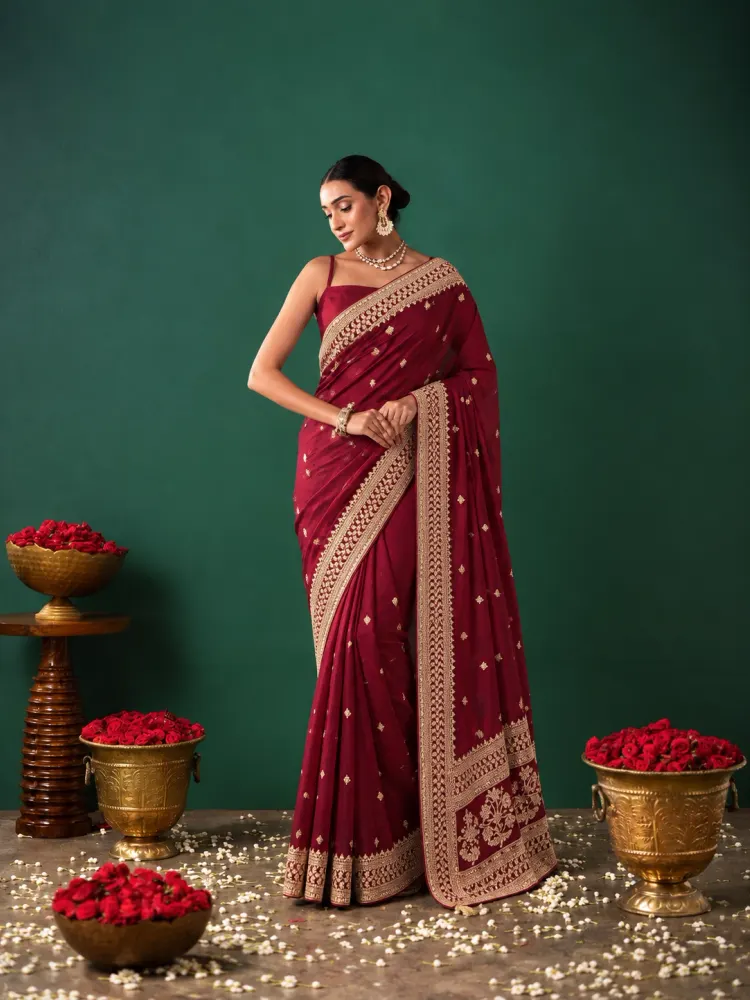
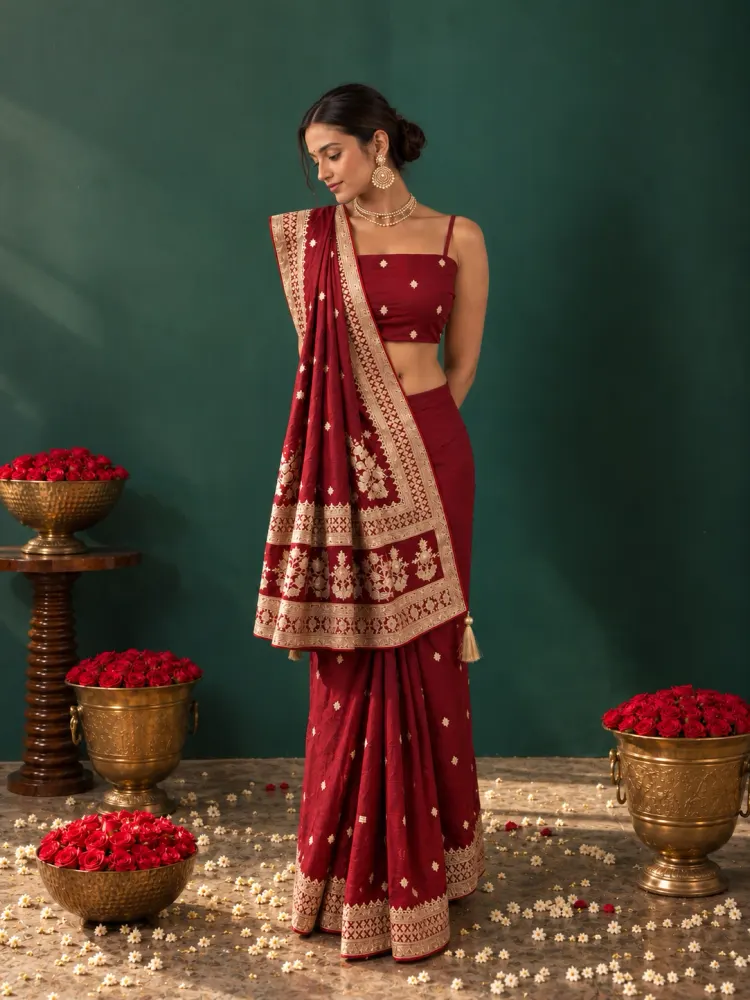
Ghat Chola Saree | Gulbhahar | Exclusive Members only
Read more ▼See less ▲
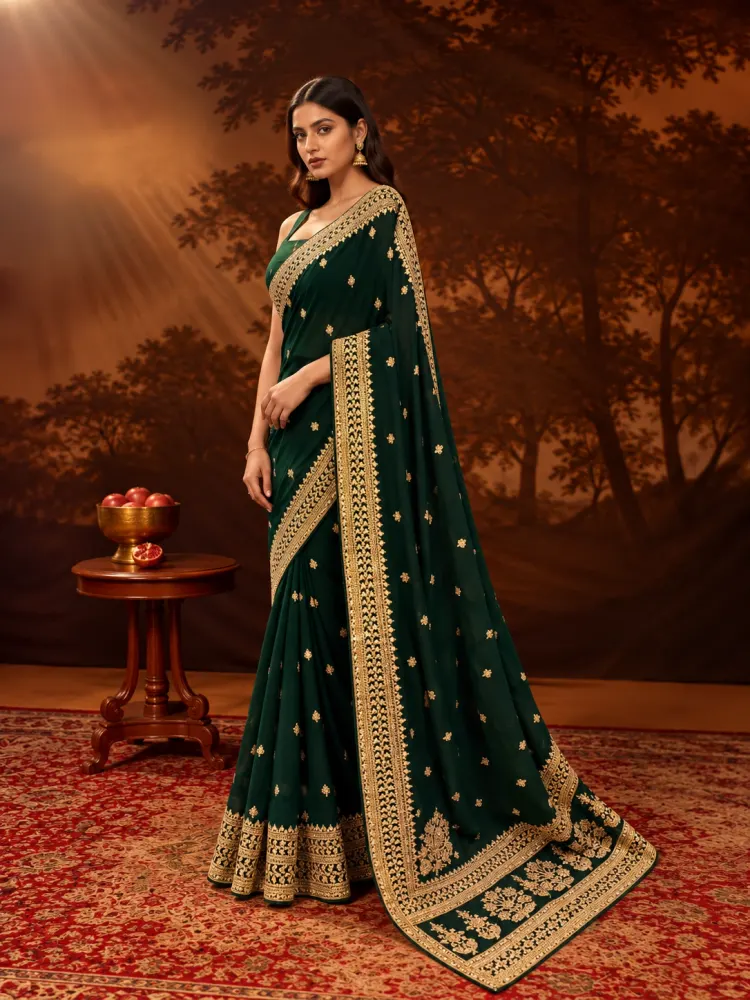
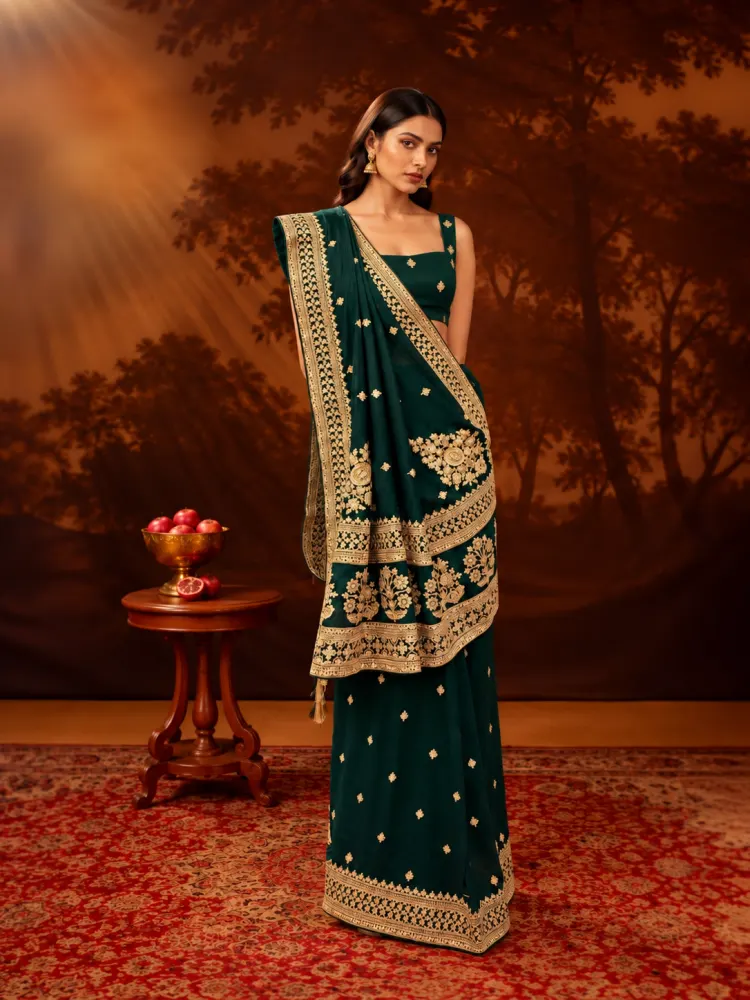
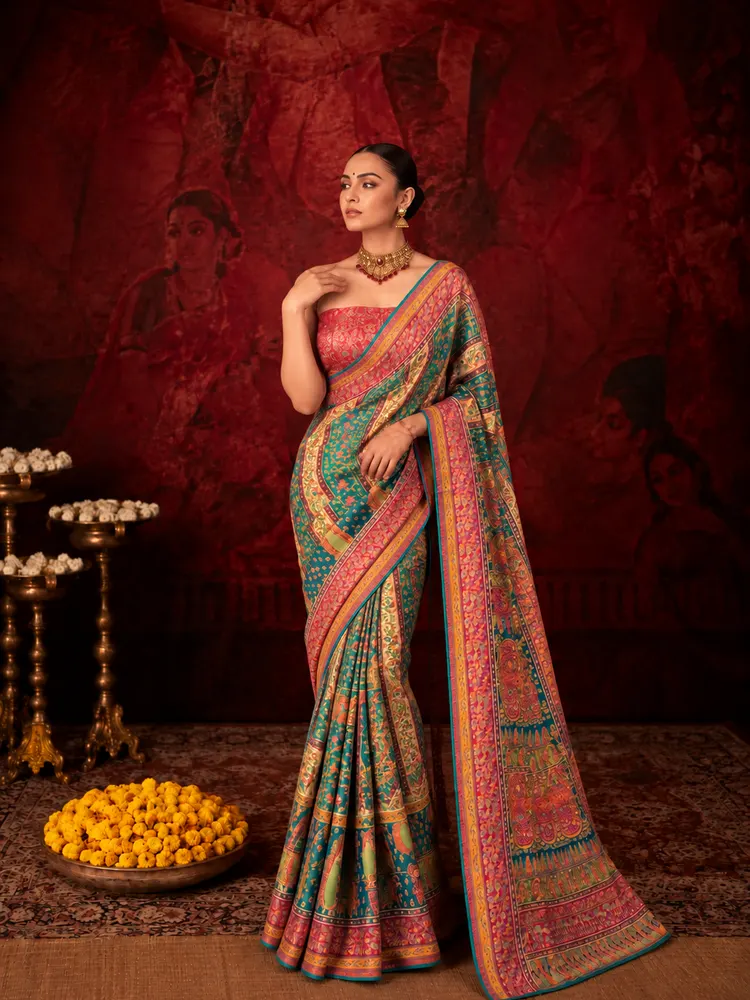
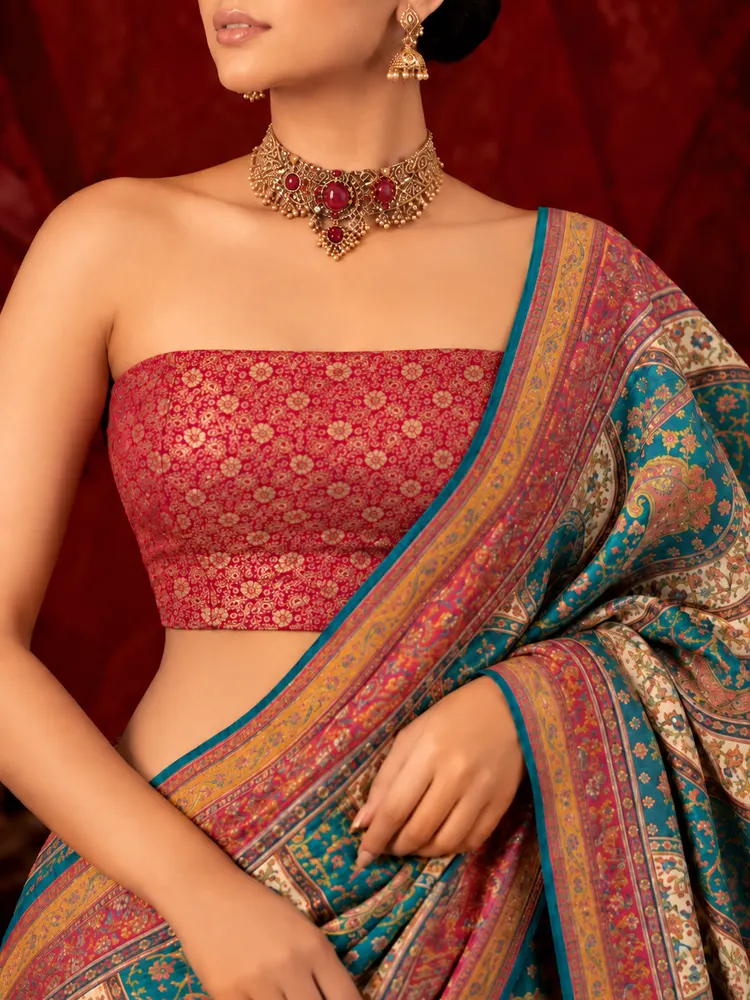
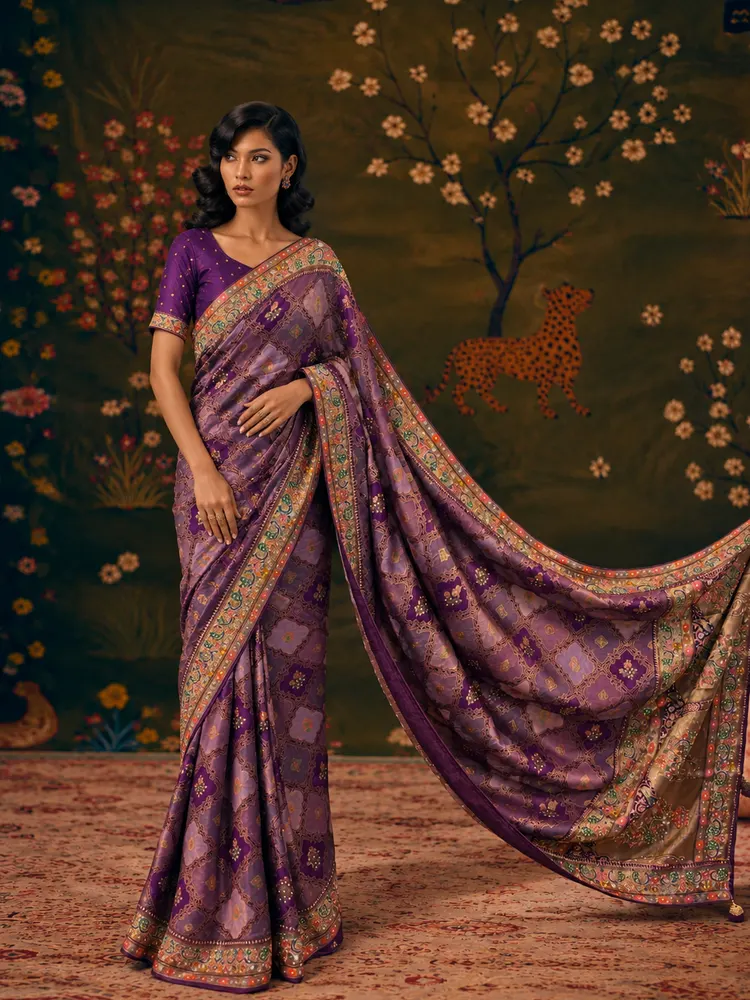
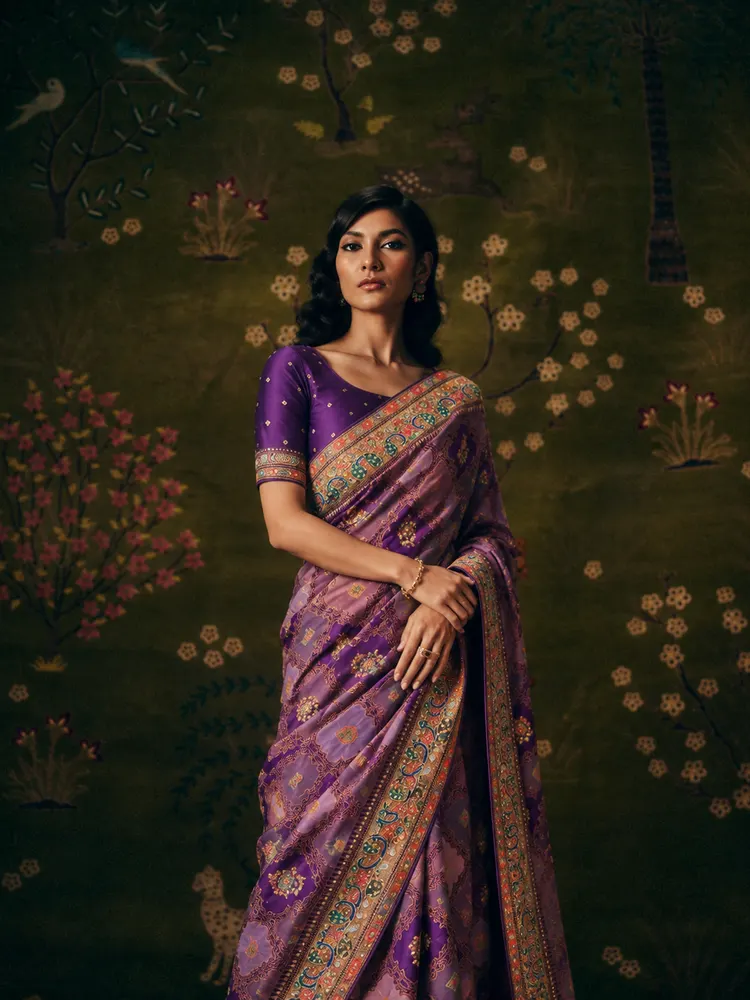
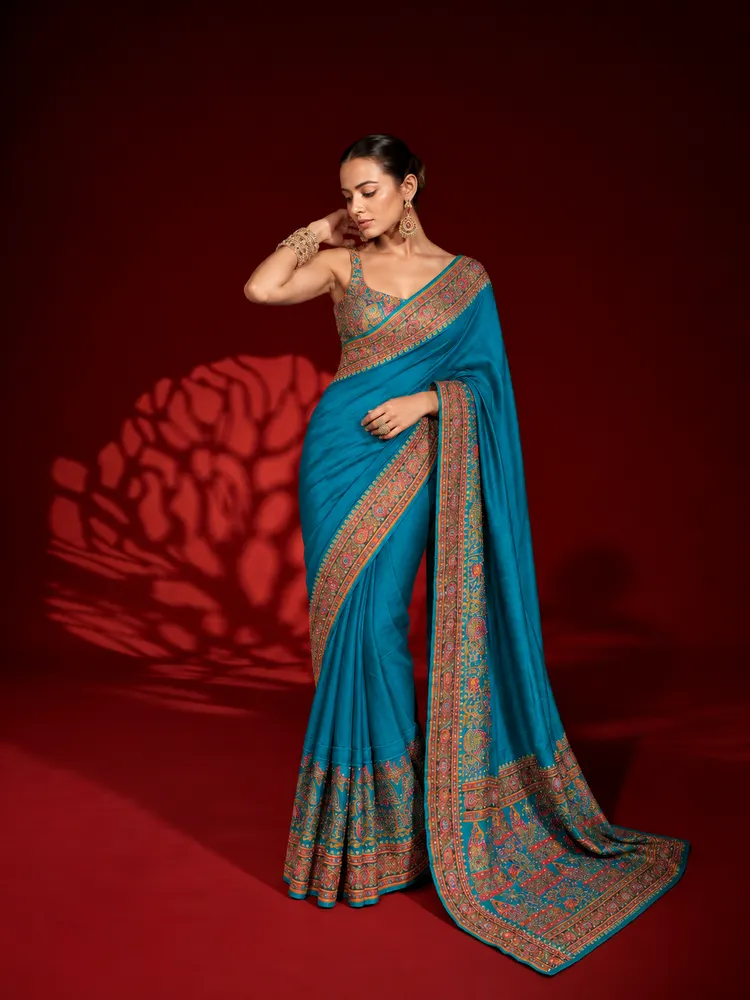
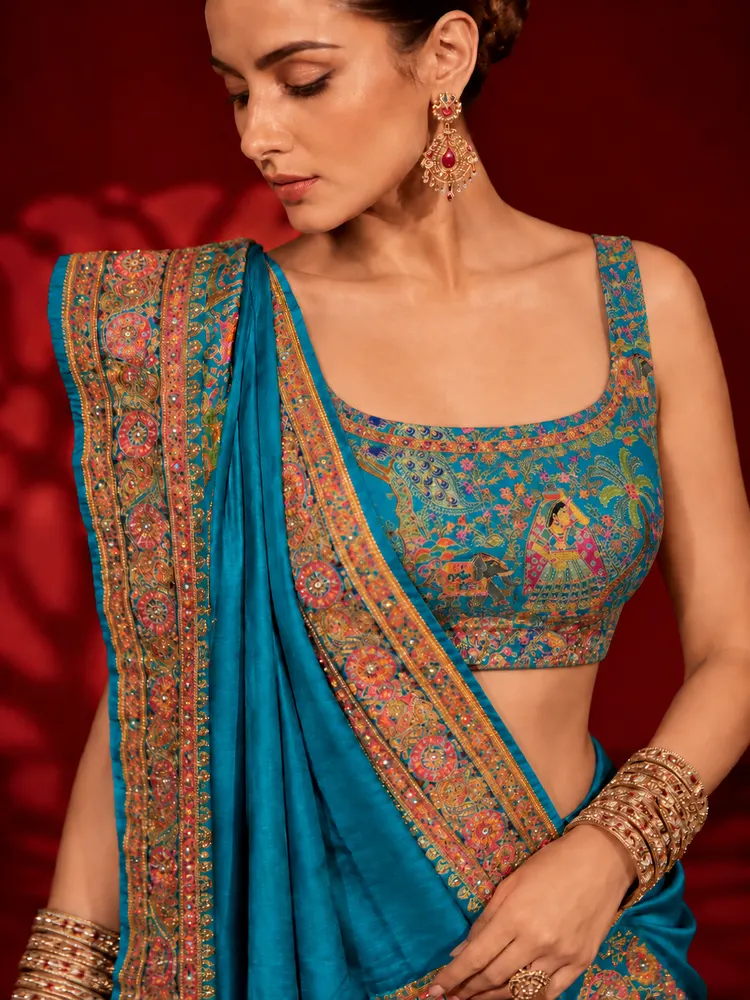
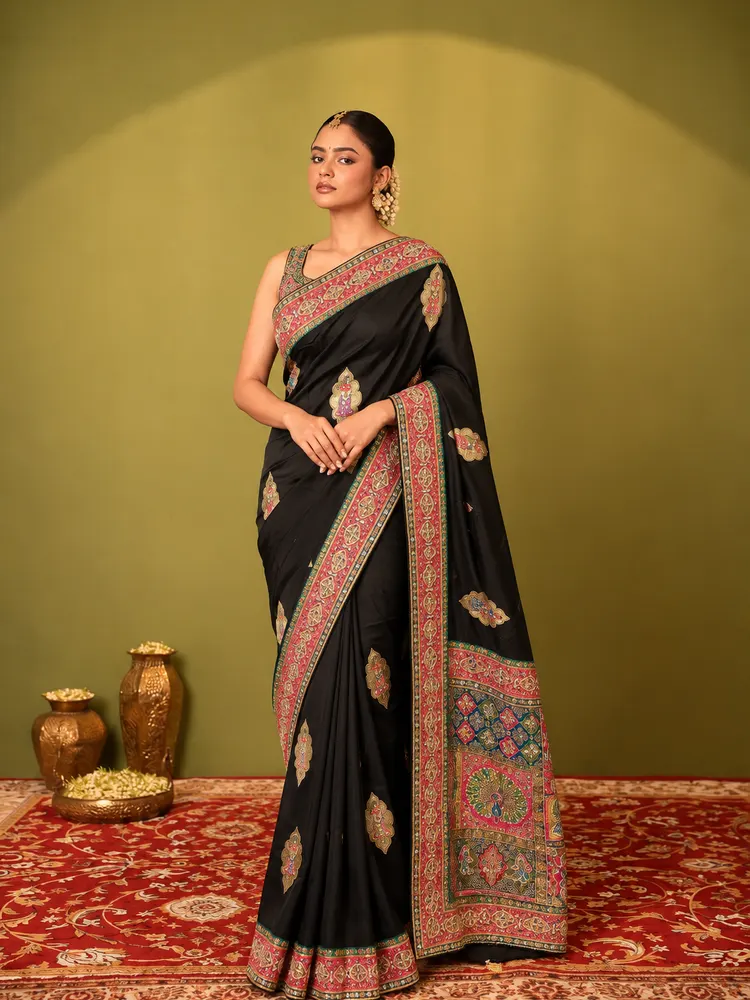
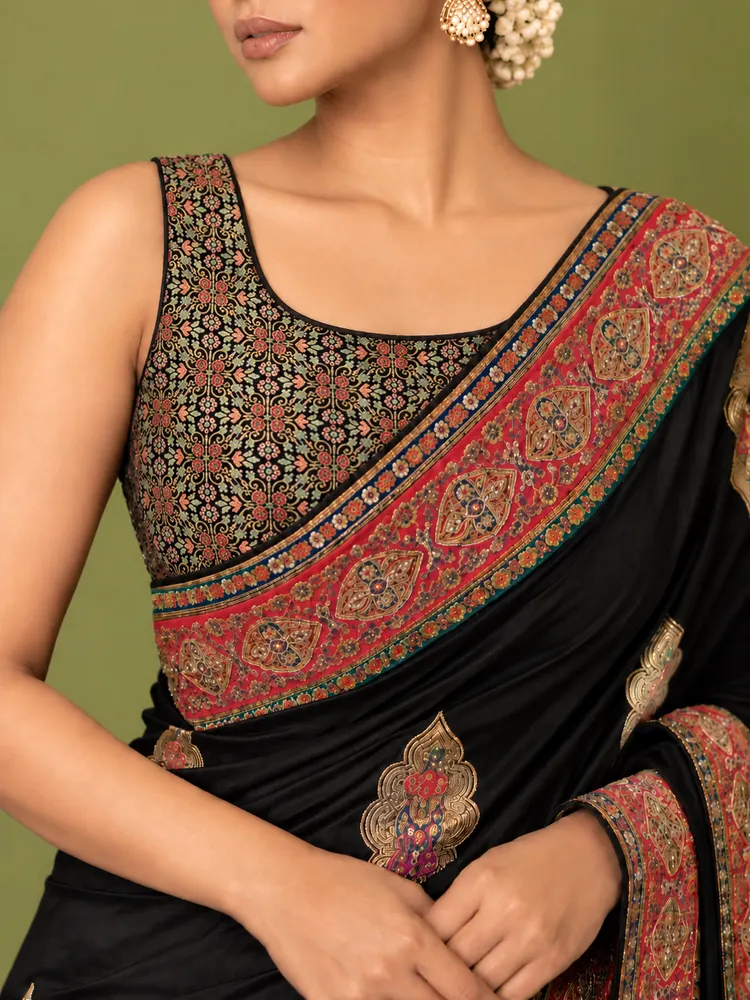
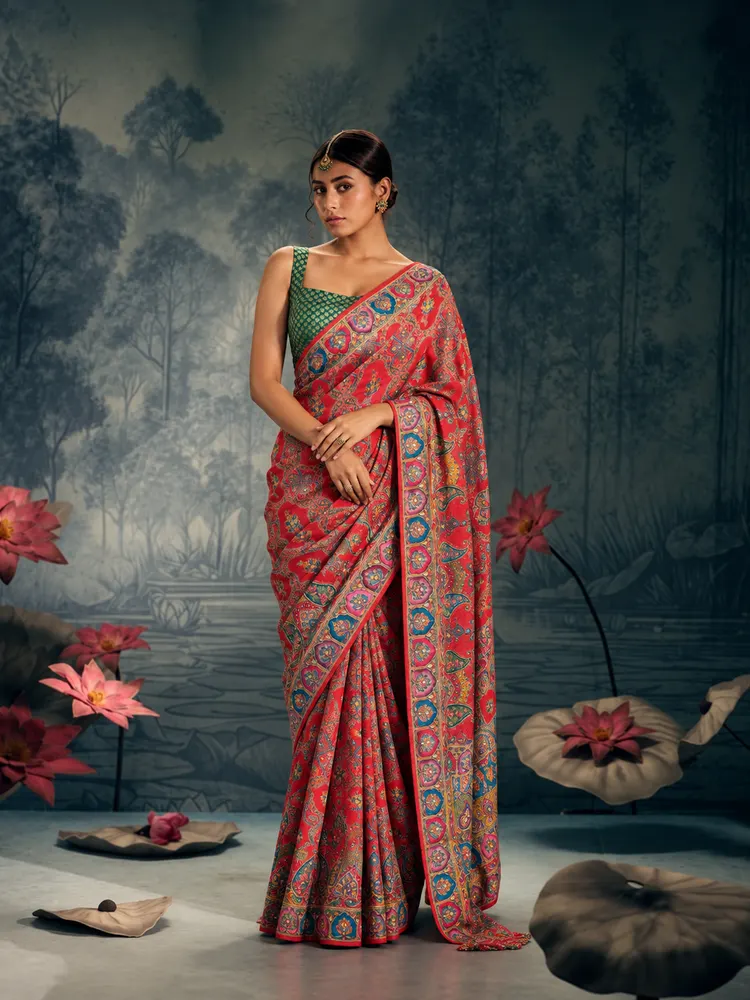
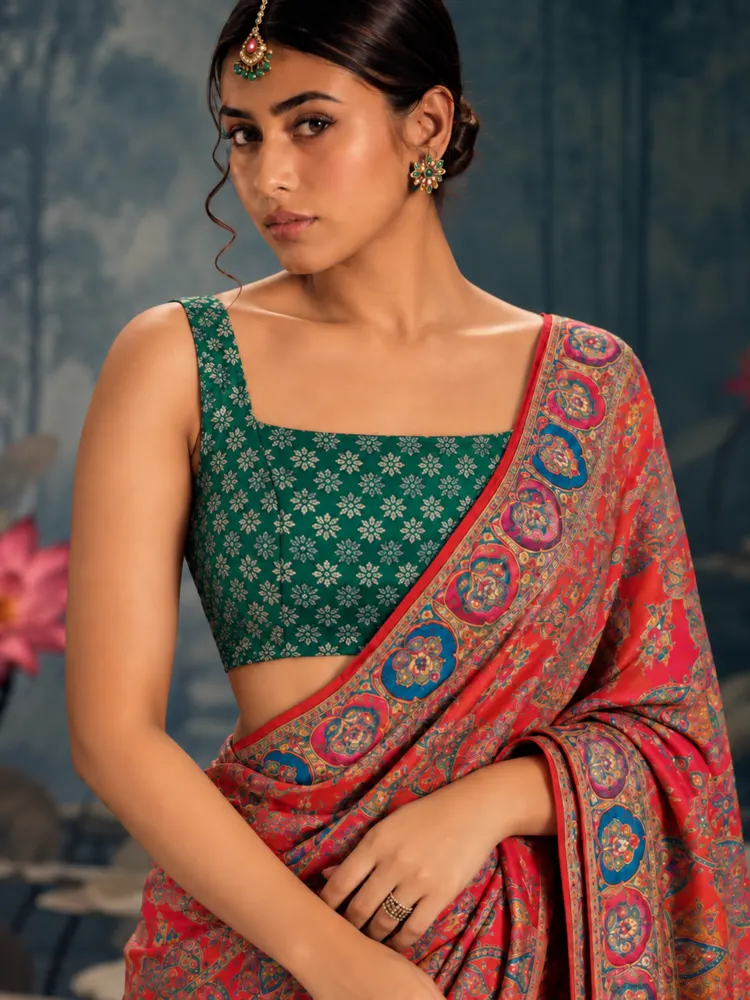
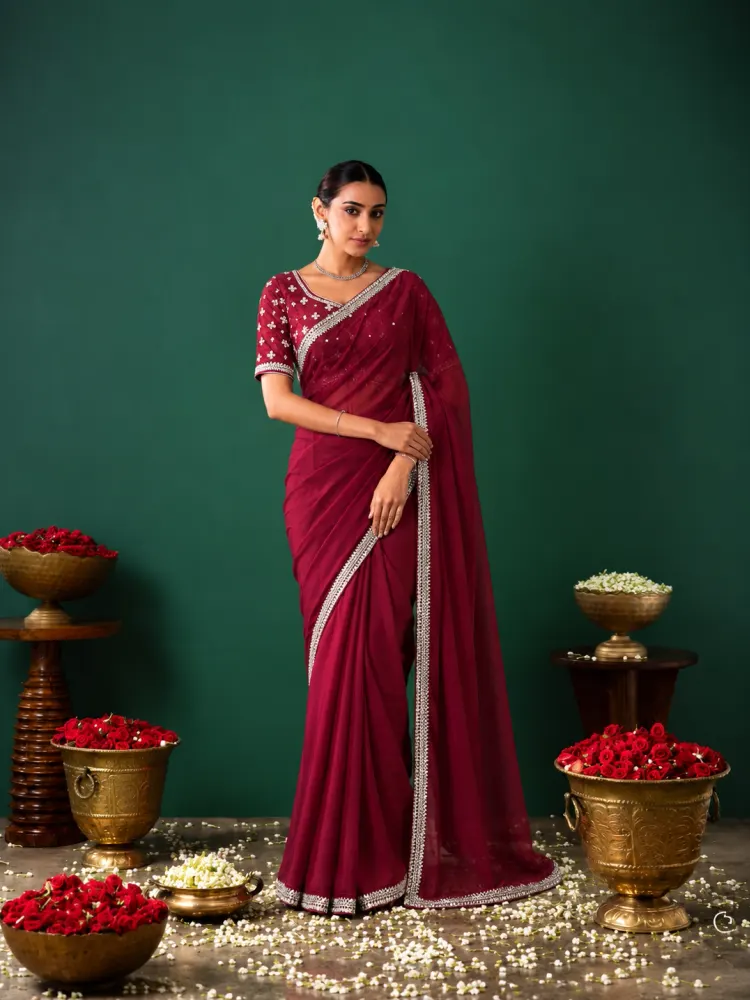
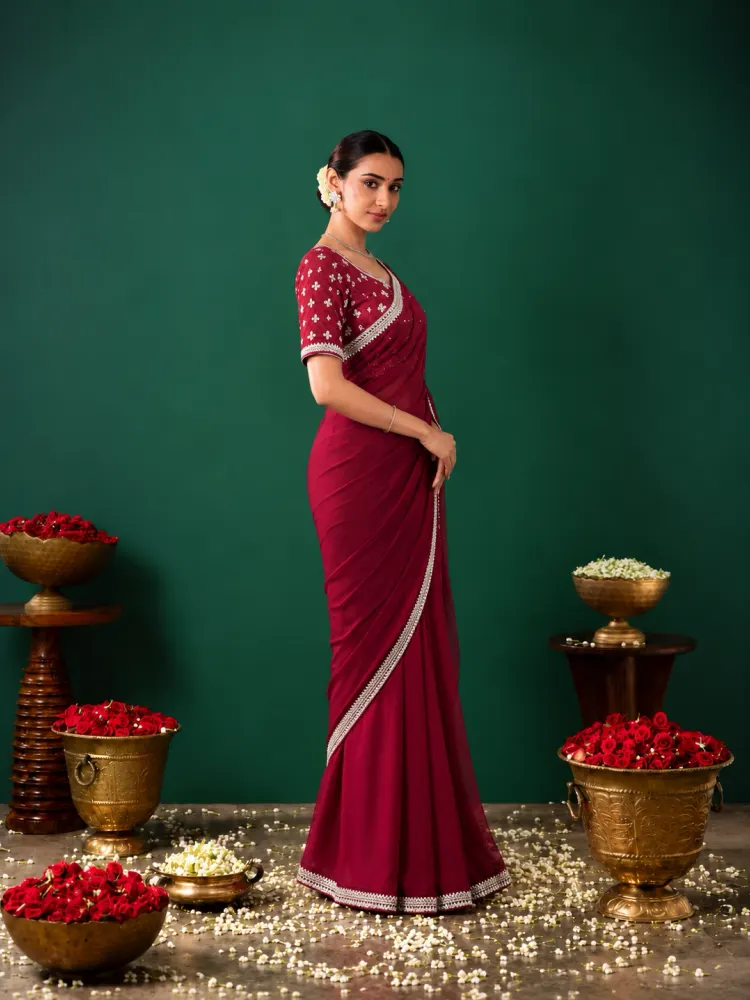
Gulbhahar's ghat chola sarees present the perfect skill of our skilled handworkers who carefully weave each piece, passing down their skills through generations. This look is an recognition to our rich cultural tradition and traditional values. Our ghat chola sarees are perfect for family gatherings and cultural celebrations where elegance and modesty take center stage. The combination of a choli (blouse) and saree with a ghatchitra (border) reflects feminine grace, ensuring you look stylish yet classic. Rich in cultural importance, the ghat chola saree is more than just an outfit; it's a symbol of respect for our traditions. It reflects the values and beliefs that have been passed down through generations. Style your ghat chola saree with old jewellery to complete the look for special occasions. Experience the ageless appeal of Gulbhahar's ghat chola sarees a perfect blend of tradition, elegance, and grace.
Generations of Mastery
The 'ghat chola saree' is a statement to the enduring art of Gulbhahar's craftsmen, passed down through generations. Each saree is hand-woven with meticulous care, preserving the classic technique of 'tattu' weaving, where detailed patterns are created by lifting and lowering textile threads. This handcrafted way ensures that each 'ghat chola saree' is a one of a kind masterpiece, showcasing the rich tradition of Indian textiles.
Workmanship Honors Respected Values
Gulbhahar's craftsmen take pride in upholding old values through their craft. The 'ghat chola saree' is a perfect example of how patience, skill, and respect for tradition can create something truly beautiful. Every thread woven into the saree tells a story of tradition, dedication, and love for one's cultural roots.
Grace on Every Occasion
The 'ghat chola saree' is a staple at family gatherings, festivals, and religious ceremonies. Its understated elegance makes it perfect for Navratri celebrations, while its rich hues bring warmth to Diwali feasts. On weddings, the 'ghat chola saree' adds a touch of customary grace, making it an ideal choice for bridal trousseau and family functions.
Design Elements: A Blend of Traditions
The 'ghat chola saree' is embellished with old motifs that hold deep symbolic meanings. Tags like 'buti', 'bhar', 'chandrakala', and 'mango' patterns represent prosperity, fertility, and good fortune. The 'zari' border adds a touch of royal elegance, reflecting the saree's past and nobility.
Buti | Bhar | Chandrakala | Mango pattern | Zari
Feminine Grace Personified
The 'ghat chola saree' expresses feminine grace and modesty. Its lightweight fabric, often made from pure silk or cotton, drapes beautifully, enhancing the wearer's style while maintaining her dignity. The saree's gentle sheen and earthy colors exude an aura of style and classic elegance.
Cultural Values Embodied
The 'ghat chola saree' serves as a symbol of Indian cultural roots. Key values like modesty ('saubhagya'), prosperity ('shubh labh'), and unity ('ekta') are reflected in its design, colors, and motifs.
- Saubhagya:
- Emphasized through the saree's modest draping
- Shubh labh:
- Represented by the prosperity-signifying patterns
- Ekta:
- Symbolized by the saree's role in bringing families together
Forever Tradition, Generational Appeal
The 'ghat chola saree' has been passed down through generations, holding sentimental value and creating bonds between mothers, daughters, and sisters. Its lasting appeal ensures that it remains pertinent across ages, making it an ideal heirloom piece.
Cultural Authenticity: A Regional Roots
Originating from the state of Rajasthan, the 'ghat chola saree' is deeply rooted in regional culture. Its rich hues and fine patterns reflect Rajasthani art and architecture. The classic weaving techniques used, like 'bandhni' tie-dye and 'leharia' embroidery, further boost its cultural authenticity.
Frequently Asked Questions
How does wearing a 'ghat chola saree' to family functions like weddings and pujas make better the cultural experience?
Wearing a 'ghat chola saree' to family functions like weddings and pujas adds a layer of cultural richness, as it represents customary elegance and modesty. The stylish handwork and artisan art in these sarees make them perfect for such occasions, honoring the tradition and values of our ancestors while participating in these joyous celebrations.
What are some customary draping styles suitable for a 'ghat chola saree' that emphasize feminine grace during festivals?
For festivals, the 'Nivi' and 'Utsavam' styles of draping a 'ghat chola saree' are notably classy. The 'Nivi' style is simple yet sophisticated, perfect for family gatherings, while the 'Utsavam' style with its pleats in the front adds a touch of festivity. Pair these with customary jewellery like jhumkas and a bindi to complete the look.
Can you explain the cultural value of the colors used in 'ghat chola saree' for many auspicious occasions?
The colors used in 'ghat chola sarees' hold meaningful cultural meaning. Red is often chosen for weddings and festivals, symbolizing fertility and prosperity. Green is worn during family gatherings to help harmony and growth, while yellow is reserved for auspicious occasions like Diwali, representing joy and knowledge.
Keywords
ghat chola saree | ghat chola sari | ghat chola sadi | ghat chola saadi | ghat chola saari | ghat chola sadee | ghat chola sadhi | ghat chola sarees | ghat chola saris | ghat chola sadis | ghat chola saadis | ghat chola saaris | ghat chola sadees | ghat chola sadhis | buy ghat chola saree online | ghat chola saree online shopping | shop ghat chola saree online india | original ghat chola saree online | best website to buy ghat chola saree | ghat chola saree with blouse online | ghat chola saree free shipping india | affordable ghat chola saree online | premium ghat chola saree online | ghat chola saree price | ghat chola saree under 2000 | ghat chola saree under 3000 | ghat chola saree under 5000 | cheap ghat chola saree online | best price ghat chola saree | budget ghat chola saree | ghat chola saree sale | discount ghat chola saree online | latest ghat chola saree offers | bridal ghat chola saree | wedding ghat chola saree | red ghat chola saree for bride | designer bridal ghat chola saree | traditional ghat chola saree for marriage | ghat chola saree for reception | latest ghat chola saree designs | trending ghat chola saree | modern ghat chola saree | stylish ghat chola saree for women | new collection ghat chola saree | celebrity style ghat chola saree | lightweight ghat chola saree | party wear ghat chola saree | handloom ghat chola saree | real zari ghat chola saree | katan silk ghat chola saree | organza ghat chola saree | georgette ghat chola saree | authentic ghat chola saree online | buy ghat chola saree under 3000 online | best ghat chola saree for wedding under 5000 | lightweight ghat chola saree for summer | pure silk ghat chola saree online india | affordable bridal ghat chola saree | ghat chola saree for festivals online | daily wear ghat chola saree lightweight | ghat chola saree online india free delivery | ghat chola saree online india | ghat chola saree near me | ghat chola saree delhi online | ghat chola saree varanasi original | indian ghat chola saree online