Difference Between 2 Piece And 3 Piece Suit - Buy Difference Between 2 Piece And 3 Piece Suit by Gulbhahar
Read more ▼See less ▲
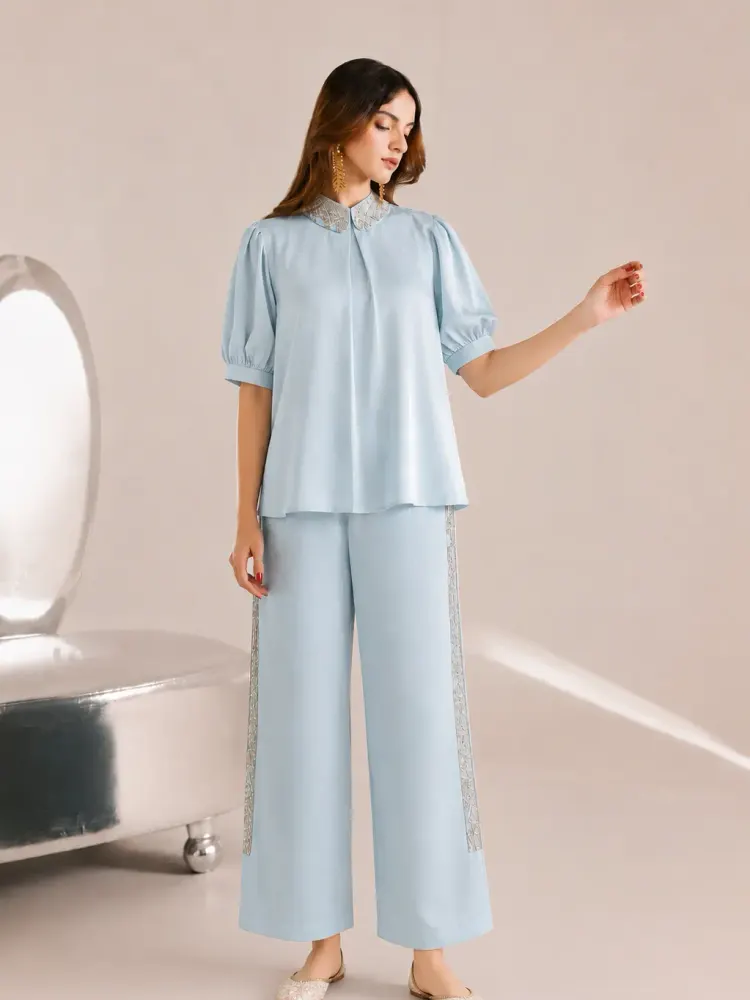
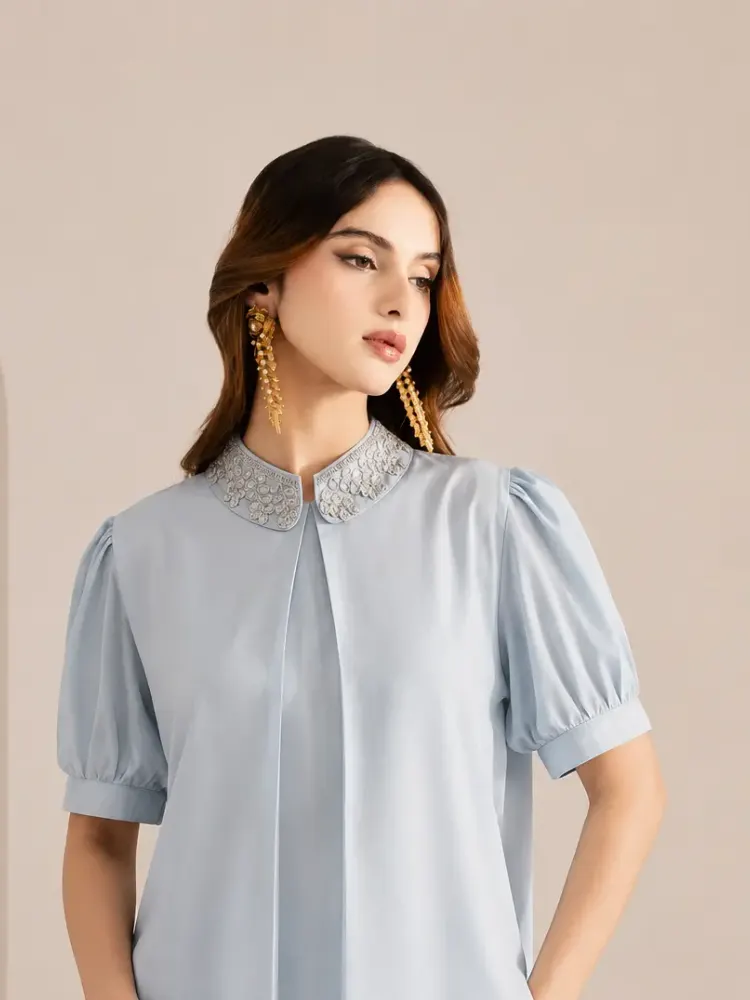
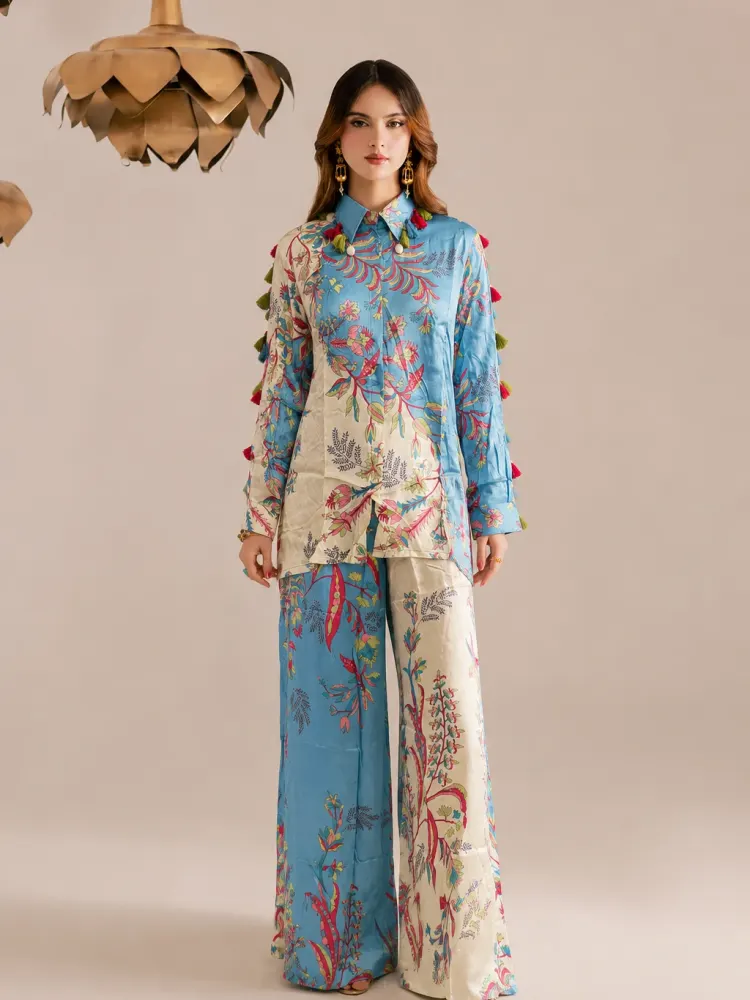
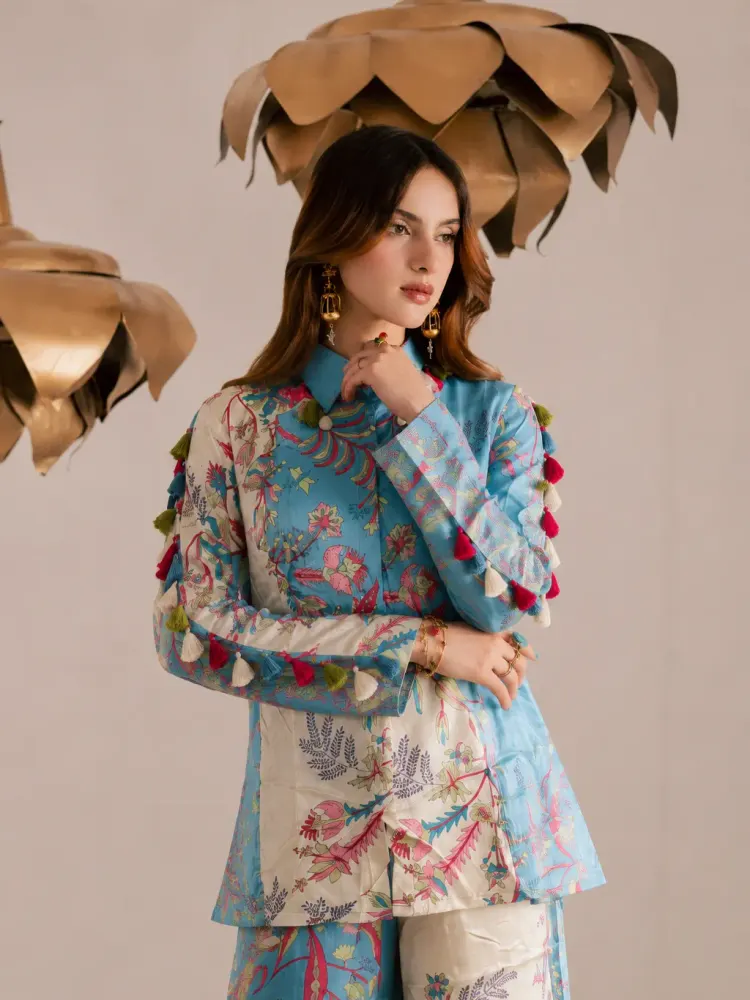
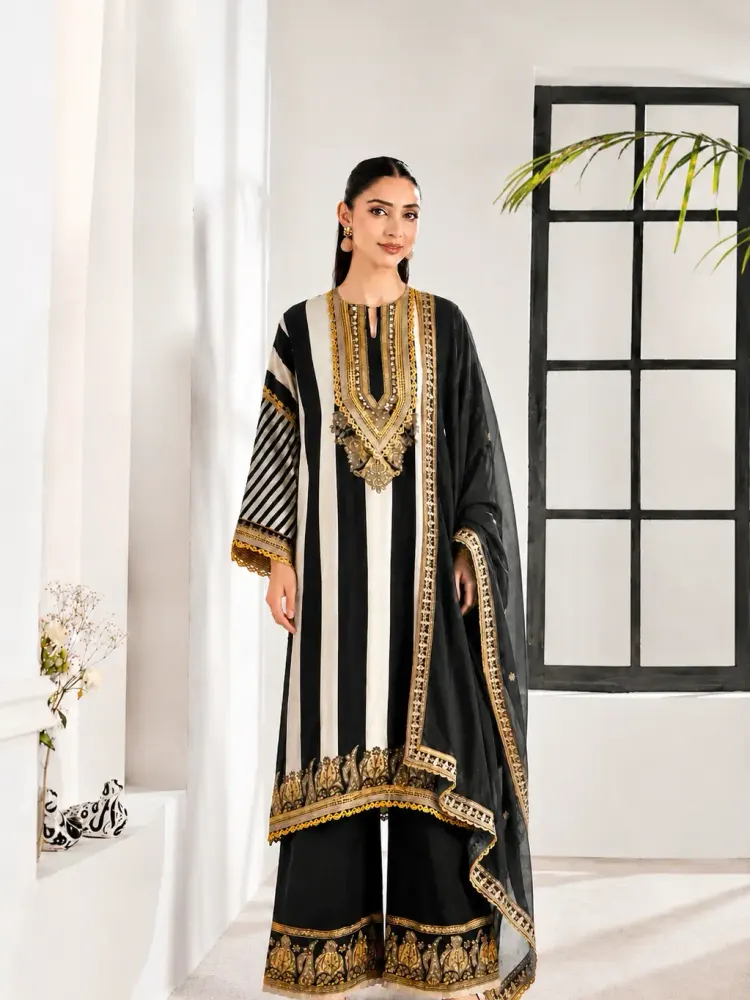
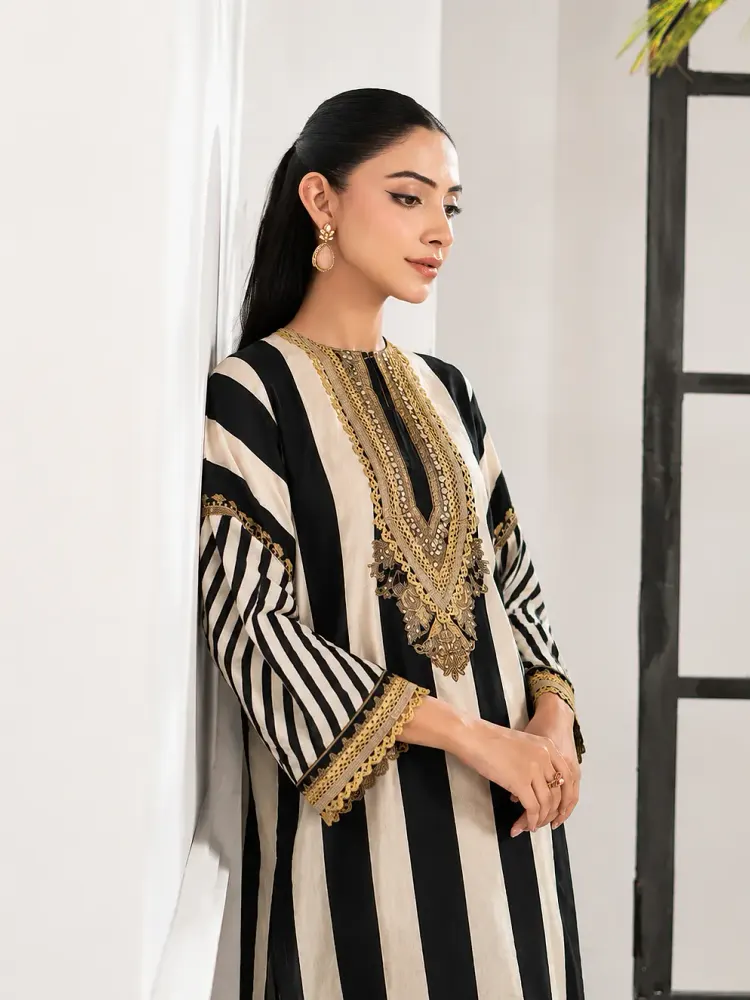
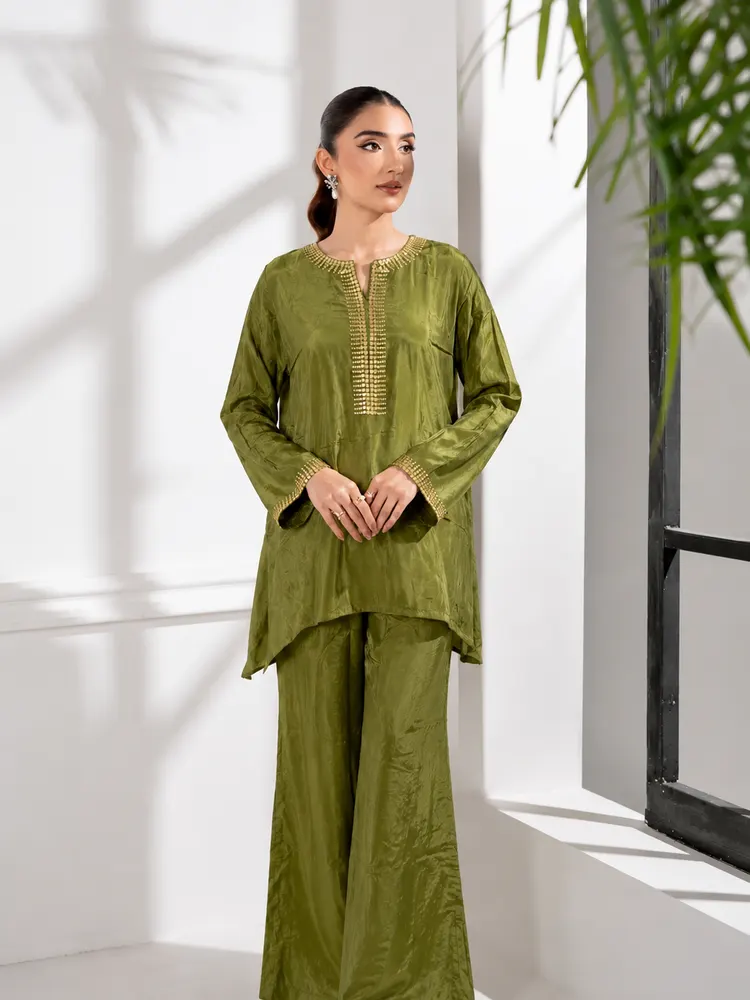
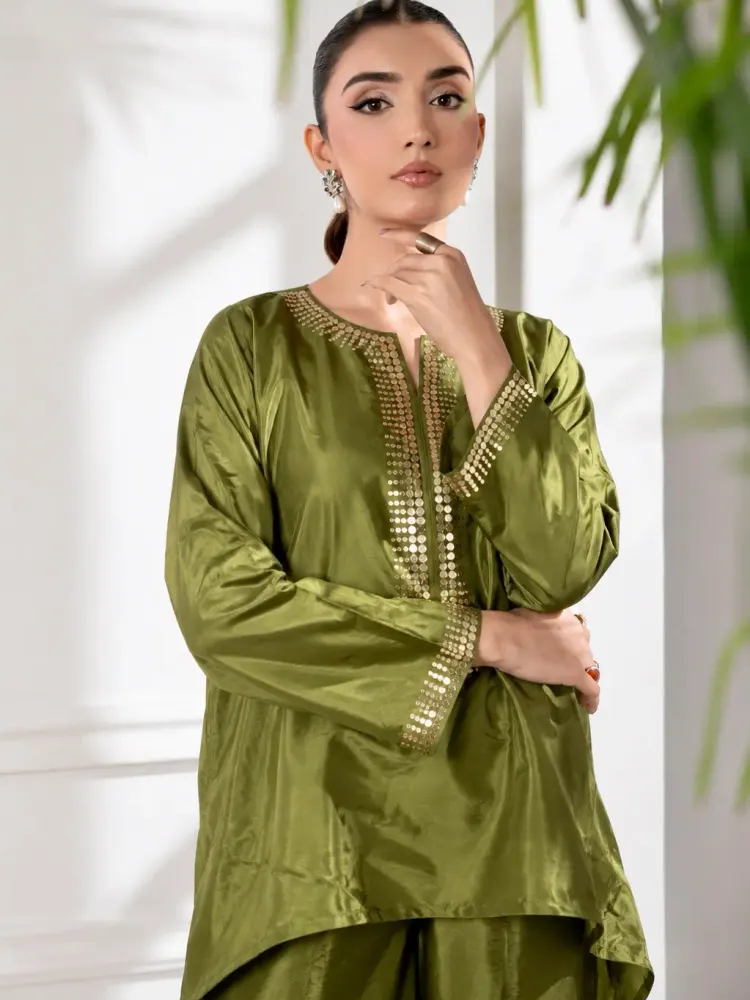
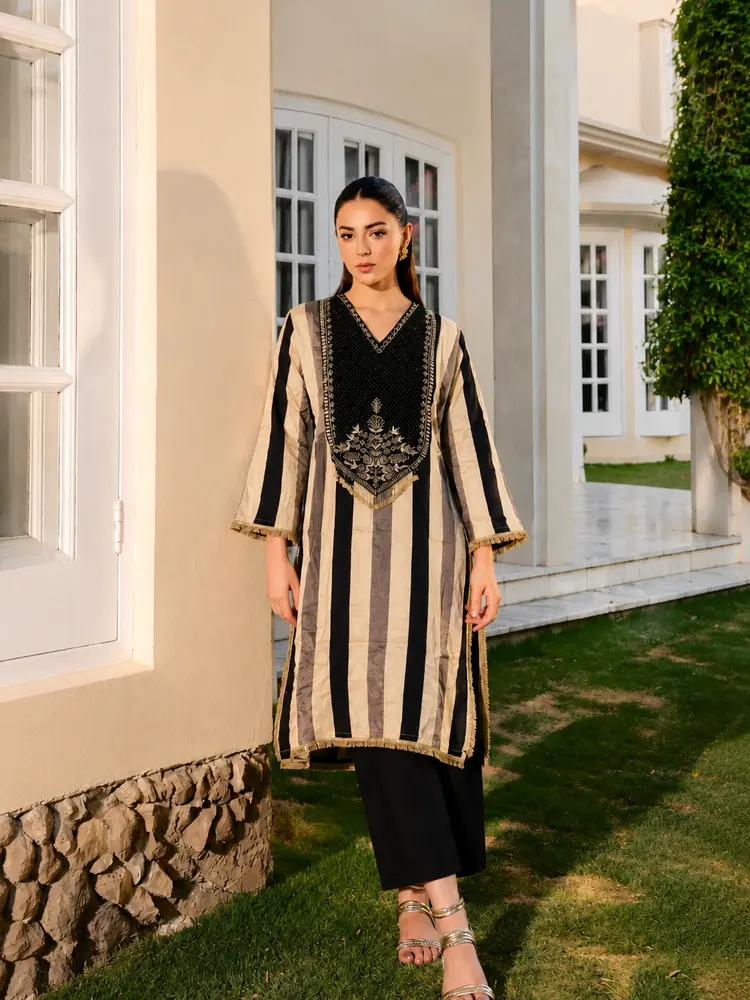
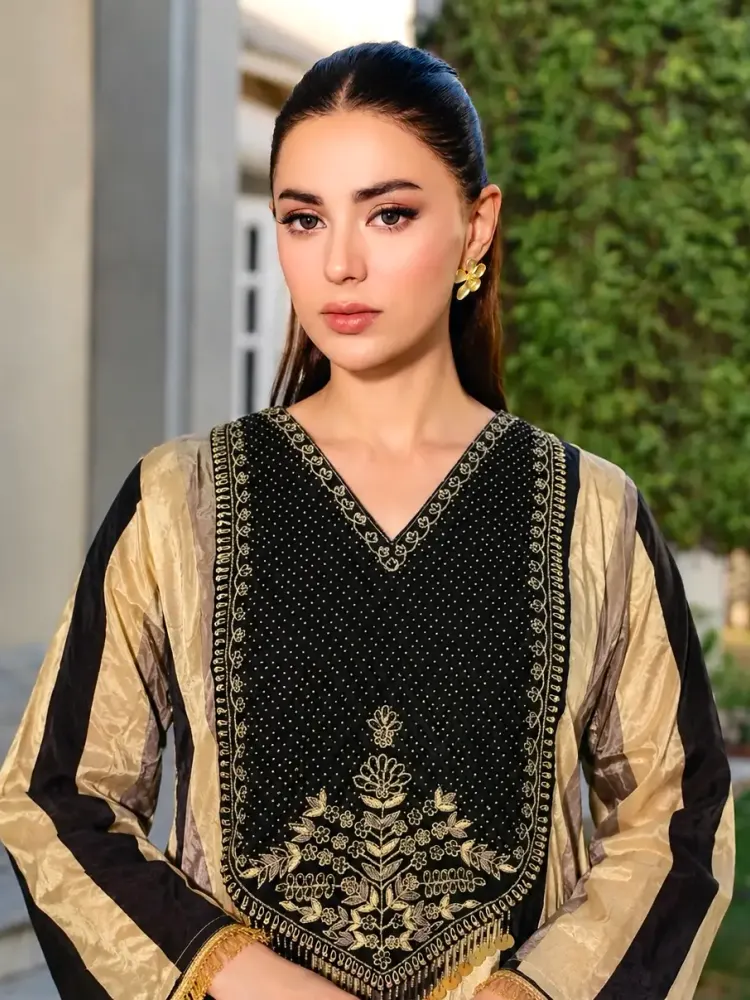
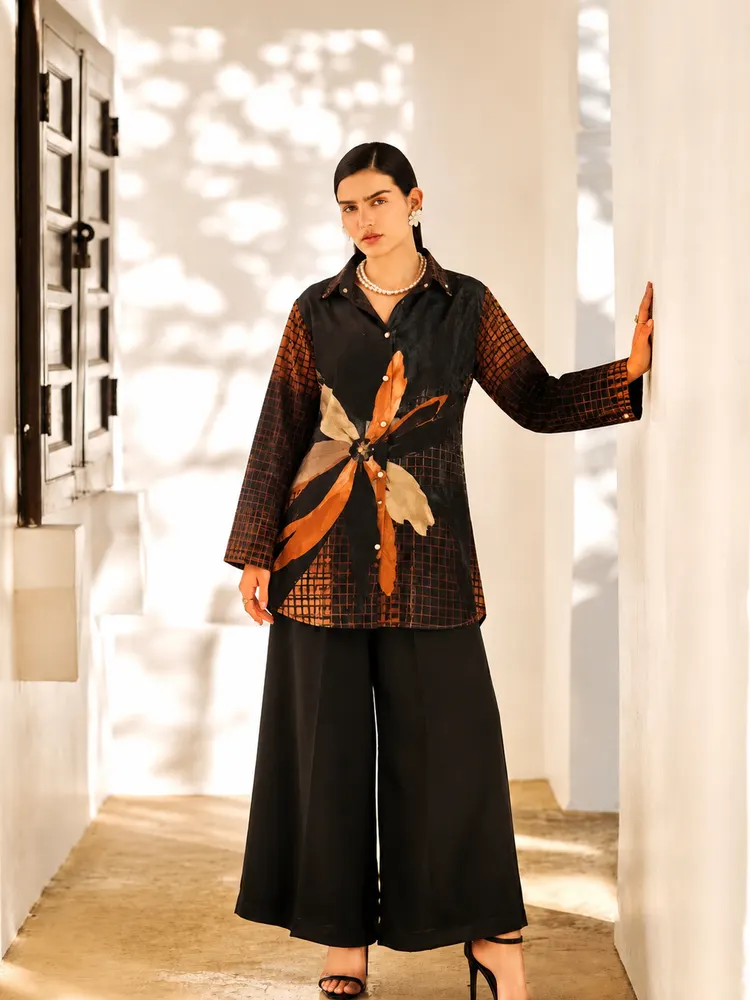
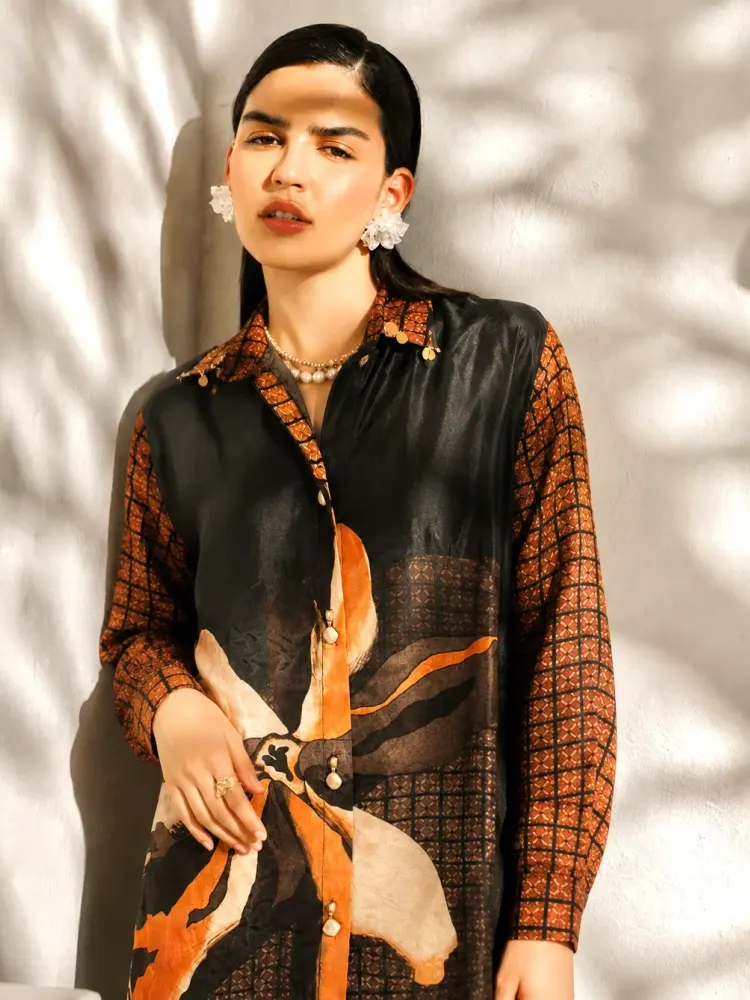
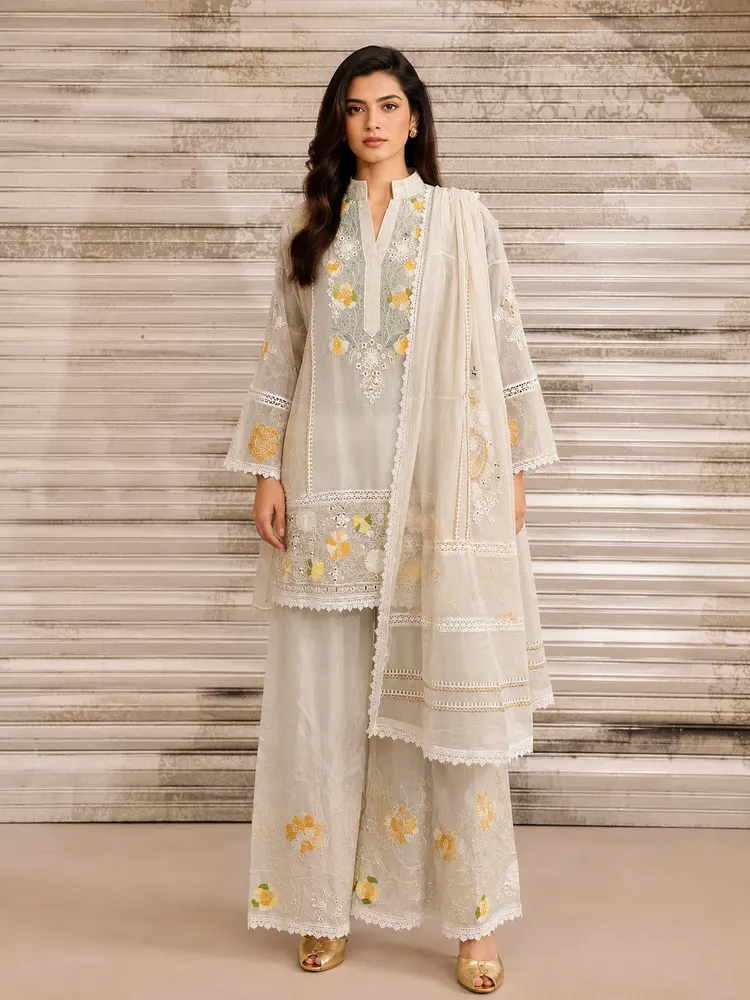
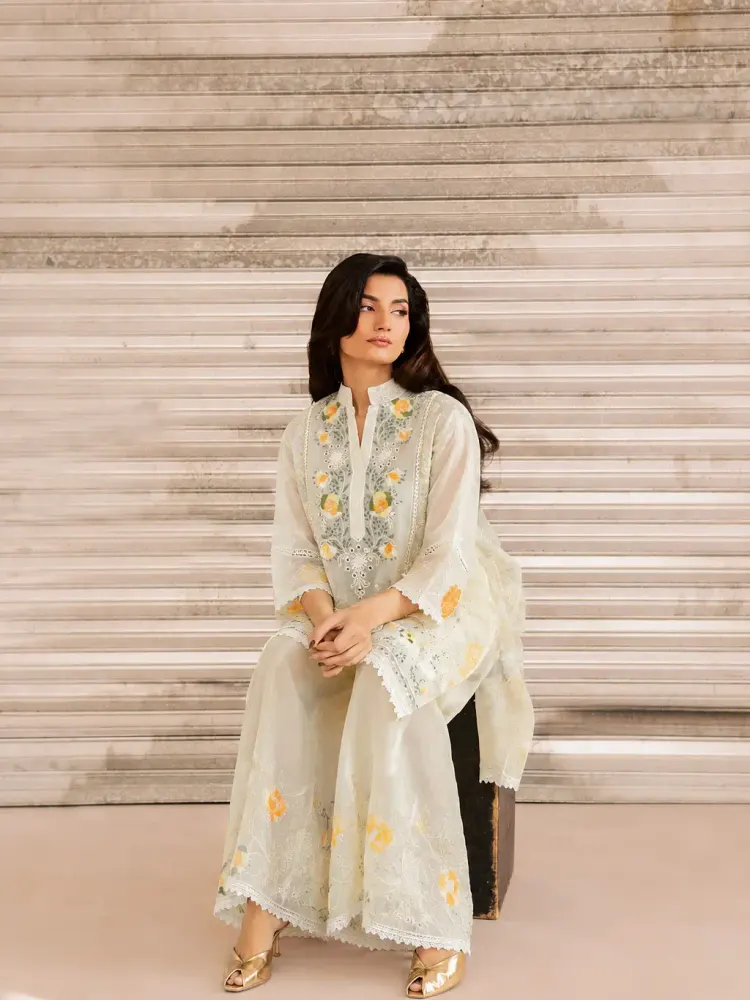
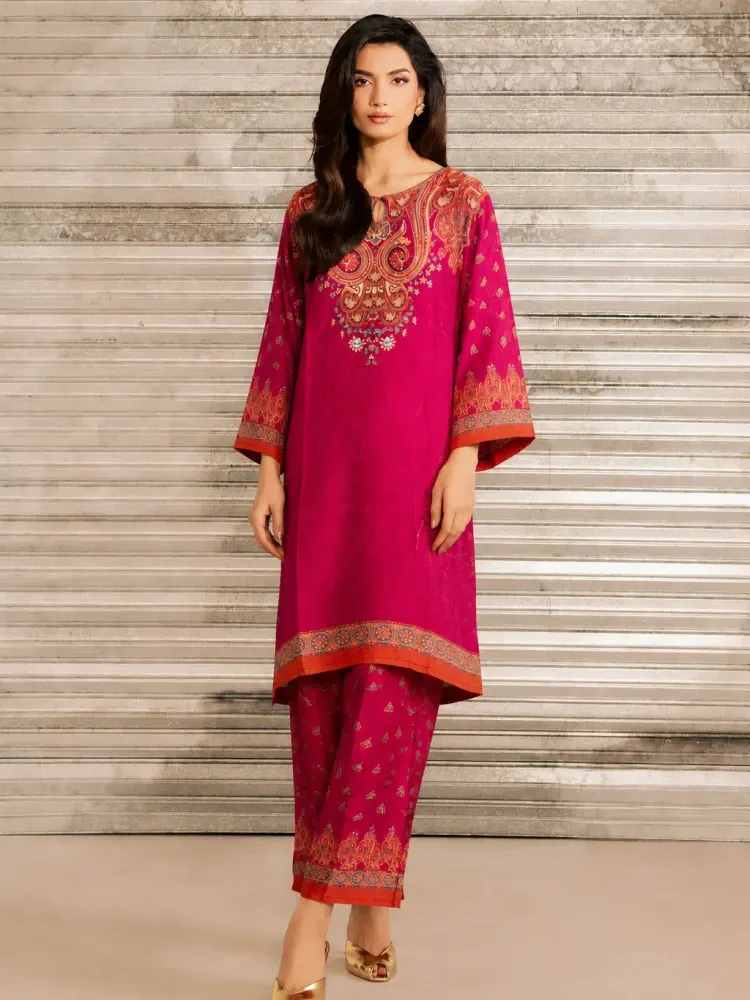
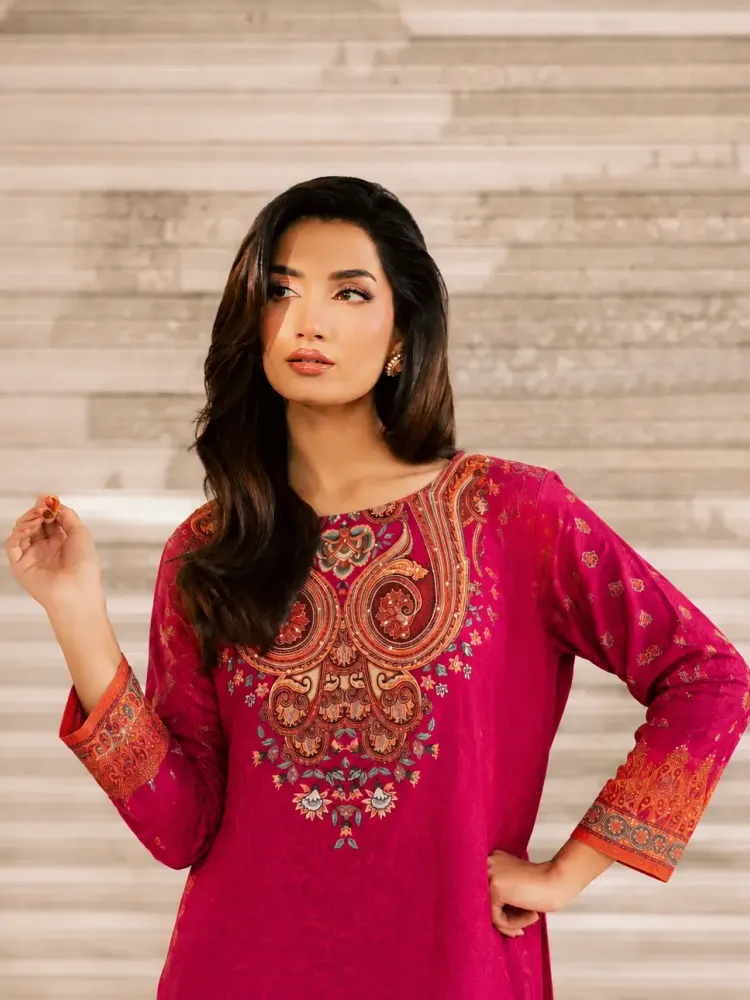
Understanding the difference between a 2 piece and a 3 piece suit at Gulbahar involves appreciating the soft nuances of style and occasion. The two-piece suits are often characterized by their clean lines and simplicity, making them ideal for less formal gatherings or more relaxed environments like tea parties or casual family get-togethers. Different from, three-piece suits introduce a level of fineness with an added dupatta or scarf that enhances all in all elegance. The choice between these styles not only depends on the occasion but also reflects personal taste and comfort. Both suit types are crafted from high-quality fabrics like silk and cotton, enhanced with complex embroidery work that is a hallmark of Gulbahar's commitment to art. One key difference between 2 piece and 3 piece suits lies in their multipurpose. A two-piece can be dressed up or down depending on the accessories chosen, such as jeweled necklaces for evening wear or simple gold bangles for daytime events. By comparison, a three-piece suit requires slightly more coordination but offers a broader range of styling options that cater to formal weddings and upscale parties. Regarding emotions evoked, wearing a two-piece suit often conveys an air of relaxed elegance, while a three-piece brings with it a sense of stylish and celebration. Each style tells its own story whether you're celebrating life’s milestones or enjoying a quiet afternoon with loved ones. The difference between 2 piece and 3 piece suit is not just about fashion but also personal expression through the ageless elegance that Gulbahar shows in each garment.
Popular Styles in Difference Between 2 Piece And 3 Piece Suit
Tea Party Chic
A two-piece suit is perfect for a casual afternoon tea party. Opt for pastel shades like baby pink or mint green to keep things light and airy. Add a pop of colour with a floral dupatta Chicken Ke Suit in a contrasting hue, and finish the look with pearl drop earrings.
Wedding Day Elegance
For a more formal wedding reception, consider a three-piece suit that includes a dupatta. Choose rich jewel tones like emerald green or sapphire blue to make an impression. The added elegance of the dupatta will complement any festive setting Suit For Mom, especially when paired with intricate embroidery.
Diwali Glam
Diwali calls for something a bit more dazzling, and a three-piece suit can really shine here. Pick gold or silver tones to match the festive spirit Best Salwar Suits Online. A golden dupatta Dupatta Golden Colour will enhance your overall look, and a statement necklace from our collection of Gift Voucher Jewellery adds that extra bit of sparkle.
Office Wear Grace
A two-piece suit is versatile enough for the office setting while keeping things professional yet stylish. Opt for classic neutrals like navy or black Chicken Ke Suit. A simple gold dupatta can add a touch of elegance without overpowering your look, and a pair of subtle earrings will complete the ensemble.
Eid Celebrations
Eid requires something that's both traditional and modern. A three-piece suit with a beautiful dupatta in vibrant hues like saffron or deep red Suit For Mom is perfect for this occasion. The dupatta can be an accessory on its own, draped elegantly over your shoulders, while gold juttis Juti Chappal add a traditional flair.
Casual Family Gatherings
For casual family gatherings, a two-piece suit keeps things comfortable and chic. Soft pastel shades in cotton or silk are ideal for such occasions Chicken Ke Suit. A light dupatta can be worn as an additional layer when needed, and a simple gold bangle complements the outfit perfectly without being too formal.
Lasting Creativity: Generations of Mastery
The art of creating a two-piece or three-piece suit at Gulbhahar is not merely sewing fabric together; it's a dance of needle and thread, passed down through generations. Each stitch tells a story of patience, skill, and devotion to tradition. The craftswomen here are the guardians of this tradition, ensuring that every piece they create expresses the grace and elegance of centuries-old Indian textile creativity.
Cultural Canvas: Designs That Tell a Story
The difference between a two-piece and three-piece suit lies not just in the number of pieces, but also in the detailed designs that adorn them. The two-piece suit often features bold, geometric patterns like the iconic 'buti' or 'boteh', symbolizing life and growth. Conversely, the three-piece suit may bear more fragile, floral motifs, signifying the wearer's connection to nature and fertility.
Buti Work | Mughal Motif | Zari Brocade | Meenakari Embroidery
Celebrations Unveiled: Suits for Every Occasion
In Indian culture, every festival, wedding, or family gathering calls for a special outfit. The two-piece suit is often the choice for festive occasions like Diwali or Holi, its rich colors and bold designs adding to the spirit of celebration. Meanwhile, the three-piece suit, with its softer hues and refined embroidery, is preferred for more solemn events such as weddings or religious ceremonies.
- Traditional Value:
- A two-piece suit, with its vibrant colors and bold patterns, embodies the traditional Indian value of 'Rangoli', symbolizing warmth, joy, and good fortune.
- Cultural Significance:
- The three-piece suit, often featuring intricate zari work or embroidery, holds cultural significance as it represents the rich artistic heritage of India's craftsmanship, passed down through generations.
Tradition in Every Stitch: Culture Motifs
Both two-piece and three-piece suits bear motifs that hold deep cultural value. The 'mango' pattern represents abundance and prosperity, while the 'phoenix' motif signifies courage and rebirth. The 'lotus' design, a symbol of purity and enlightenment, is often seen on both, emphasizing their shared connection to Indian spirituality.
Elegance Defined: Modesty in Design
Both styles embody feminine grace and modesty, but each does so uniquely. The two-piece suit, with its longer length and flowing fabric, evokes a sense of regal elegance reminding of Indian royalty. The three-piece suit, meanwhile, with its lighter fabrics and fancy detailing, shows an understated charm that is both respected and modern.
Honoring Tradition: A Key to Cultural Identity
Key Values: Respected Value - 'Mann ka Daur' (Respect): Both suits instill a sense of respect for one's culture and tradition. Cultural Side - 'Navaratri & Durga Puja': The two-piece suit is often worn during Navaratri, celebrating the triumph of good over evil, while the three-piece suit is favored during Durga Puja, honoring the divine feminine.
Classic Beauty: A Bridge Between Generations
Both two-piece and three-piece suits have stood the test of time, passed down through generations. They are not merely clothes; they are living links to our ancestors, reminding us of our roots and our collective history. Whether worn by a young bride or an elderly matriarch, these suits embody the eternal appeal of Indian culture.
Regional Riches: The Story of Our Land
The two-piece suit often draws inspiration from North India's rich textile history, incorporating motifs like 'bandhani' and 'lehariya'. Meanwhile, the three-piece suit takes cues from South Indian skill, featuring complex designs traditional of 'kalamkari' or 'pattachitra'. Each piece tells a story not just of its wearer, but also of India's mixed cultural weave.
Frequently Asked Questions
What is the traditional significance of wearing a 3-piece suit over a 2-piece for festive occasions?
A 3-piece suit, consisting of a kurta, dupatta, and skirt or lehenga, embodies completeness and auspiciousness in Indian culture. It is often preferred for weddings and pujas, as it symbolizes a sense of wholeness and respect. The additional piece adds elegance and modesty, making it perfect for cultural ceremonies where traditions are upheld.
How do I style a 2-piece suit for a family gathering that honors both tradition and modernity?
A 2-piece suit can be beautifully styled with a long, flowing dupatta draped elegantly around the shoulders or pinned at the waist. Pair it with traditional jewellery like a choker necklace or jhumka earrings to add a touch of tradition. This look is both timeless and practical for modern women attending family gatherings.
What are the key differences in artisan craftsmanship between a 2-piece and 3-piece suit?
A 3-piece suit often features intricate handwork on all three pieces, showcasing the artisan's skill with embroidery, zardosi, or gota patti work. The additional piece allows for more elaborate designs and embellishments, making it a true celebration of traditional craftsmanship and feminine grace.
Keywords
difference between 2 piece and 3 piece suit | differnce between 2 piece and 3 piece suit | difference betweeen 2 piece and 3 piece suit | diffrence between 2 piece and 3 piece suit | diference between 2 piece and 3 piece suit | difference between 2 peice and 3 piece suit | difference betwen 2 piece and 3 piece suit | differnece between 2 piece and 3 piece suit | diffrerence between 2 piece and 3 piece suit | difference benween 2 piece and 3 piece suit | difference bwteen 2 piece and 3 piece suit | difference betwen 2 peice and 3 piece suit | differnce betwen 2 piece and 3 piece suit | difference between 2 pieece and 3 piece suit | difarence between 2 piece and 3 piece suit | diffrence betwen 2 piece and 3 piece suit | buy difference between 2 piece and 3 piece suit online | difference between 2 piece and 3 piece suit online shopping | shop difference between 2 piece and 3 piece suit online india | original difference between 2 piece and 3 piece suit online | best website to buy difference between 2 piece and 3 piece suit | difference between 2 piece and 3 piece suit with blouse online | difference between 2 piece and 3 piece suit free shipping india | affordable difference between 2 piece and 3 piece suit online | premium difference between 2 piece and 3 piece suit online | difference between 2 piece and 3 piece suit price | difference between 2 piece and 3 piece suit under 2000 | difference between 2 piece and 3 piece suit under 3000 | difference between 2 piece and 3 piece suit under 5000 | cheap difference between 2 piece and 3 piece suit online | best price difference between 2 piece and 3 piece suit | budget difference between 2 piece and 3 piece suit | difference between 2 piece and 3 piece suit sale | discount difference between 2 piece and 3 piece suit online | latest difference between 2 piece and 3 piece suit offers | bridal difference between 2 piece and 3 piece suit | wedding difference between 2 piece and 3 piece suit | red difference between 2 piece and 3 piece suit for bride | designer bridal difference between 2 piece and 3 piece suit | traditional difference between 2 piece and 3 piece suit for marriage | difference between 2 piece and 3 piece suit for reception | latest difference between 2 piece and 3 piece suit designs | trending difference between 2 piece and 3 piece suit | modern difference between 2 piece and 3 piece suit | stylish difference between 2 piece and 3 piece suit for women | new collection difference between 2 piece and 3 piece suit | celebrity style difference between 2 piece and 3 piece suit | lightweight difference between 2 piece and 3 piece suit | party wear difference between 2 piece and 3 piece suit | handloom difference between 2 piece and 3 piece suit | real zari difference between 2 piece and 3 piece suit | katan silk difference between 2 piece and 3 piece suit | organza difference between 2 piece and 3 piece suit | georgette difference between 2 piece and 3 piece suit | authentic difference between 2 piece and 3 piece suit online | buy difference between 2 piece and 3 piece suit under 3000 online | best difference between 2 piece and 3 piece suit for wedding under 5000 | lightweight difference between 2 piece and 3 piece suit for summer | pure silk difference between 2 piece and 3 piece suit online india | affordable bridal difference between 2 piece and 3 piece suit | difference between 2 piece and 3 piece suit for festivals online | daily wear difference between 2 piece and 3 piece suit lightweight | difference between 2 piece and 3 piece suit online india free delivery | difference between 2 piece and 3 piece suit online india | difference between 2 piece and 3 piece suit near me | difference between 2 piece and 3 piece suit delhi online | difference between 2 piece and 3 piece suit varanasi original | indian difference between 2 piece and 3 piece suit online