Heritage Collection
Explore Our Suit Range
While this specific niche is being curated, you might find your perfect match in our broader suit collection.
While this specific niche is being curated, you might find your perfect match in our broader suit collection.
Perfect picks to pair with your dream outfit
Perfect picks to pair with your dream outfit
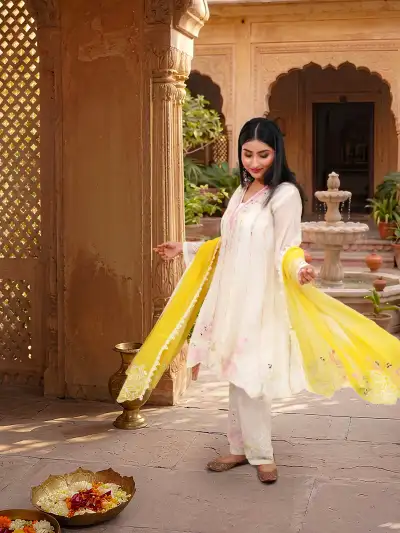
The white hakoba kurta from Gulbhahar is a masterpiece designed to celebrate both simplicity and elegance. This neat piece features hand-embroidered details along its hem and neckline, showcasing the fancy art that has been passed down through generations. The embroidery not only adorns but also elevates this simple yet forceful color choice of white, making it suitable for any occasion from weddings to corporate events.
Every stitch in this white hakoba kurta is a expression to the skillful hands behind its creation. Using past techniques, each piece takes on a life of its own, infused with the artisan's passion and dedication. The fabric itself is lightweight yet durable, ensuring comfort throughout the day without compromising style. Its simplicity makes it an needed addition to any wardrobe, as it can be styled in different ways to complement different occasions or personal preferences.
Styling this white hakoba kurta opens up a world of possibilities. For a casual look, pair it with simple leggings and sandals for a relaxed yet chic outfit. On more formal occasions like weddings or office gatherings, team it with fitted churidars in contrasting colors to create an eye-catching outfit. The convenient lies not just in the outfit but also in how freely one can express their individual style through its classic design.
The white hakoba kurta is suited for those who appreciate respected Indian wear without sacrificing modern comfort and elegance. Whether it's a casual brunch or an evening affair, this garment fits seamlessly into any setting. Its pure fabric, combined with the light embroidery, makes it a favorite among brides-to-be looking to incorporate something both classic and current on their special day.
All in all, the white hakoba kurta from Gulbhahar is more than just clothing; it's an embodiment of cultural past married with forever fashion. Each detail tells a story and reflects the deep-rooted handwork that goes into each piece. This noticeable garment not only adds to your wardrobe but also connects you to the rich cloth of Indian talent.
For a touch of grace at your next bridal shower, pair your Gulbhahar white hakoba kurta with White Churidar Suit pants and a simple chiffon dupatta. Complete the look with delicate silver jewellery from our 92 5 Silver Jewellery collection for an understated yet elegant finish.
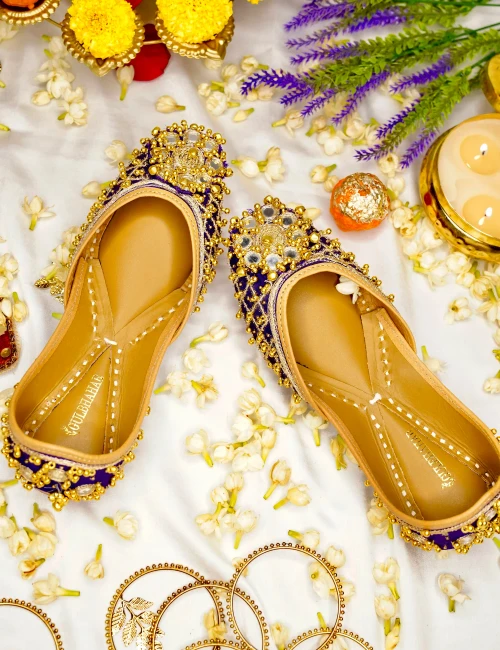
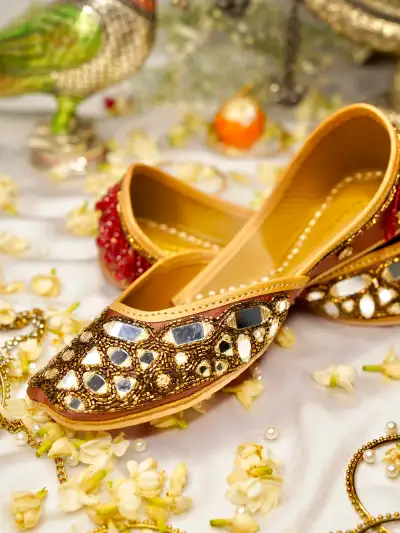
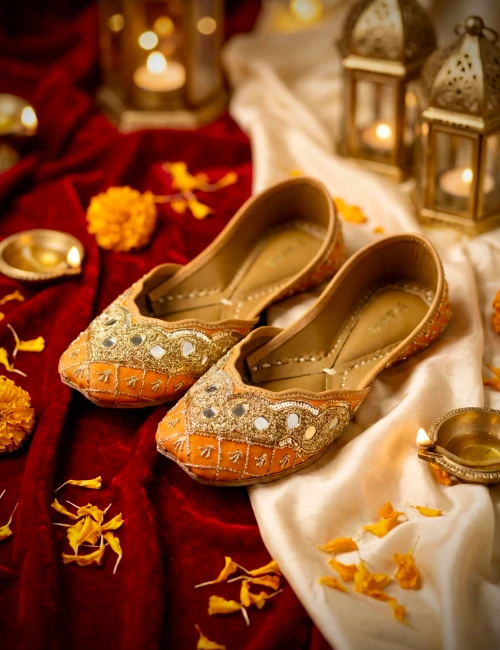
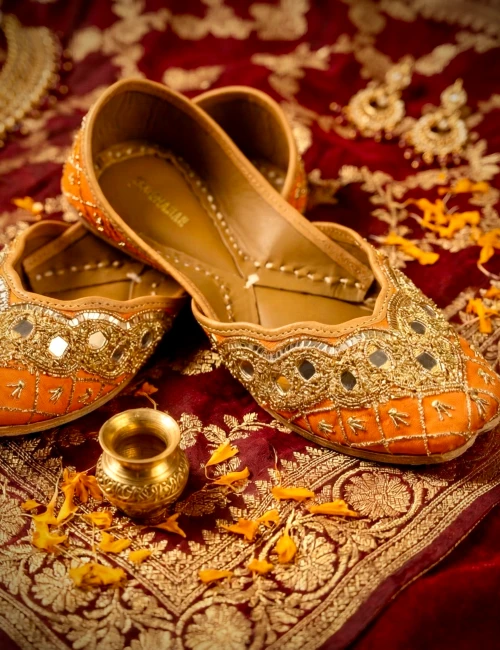
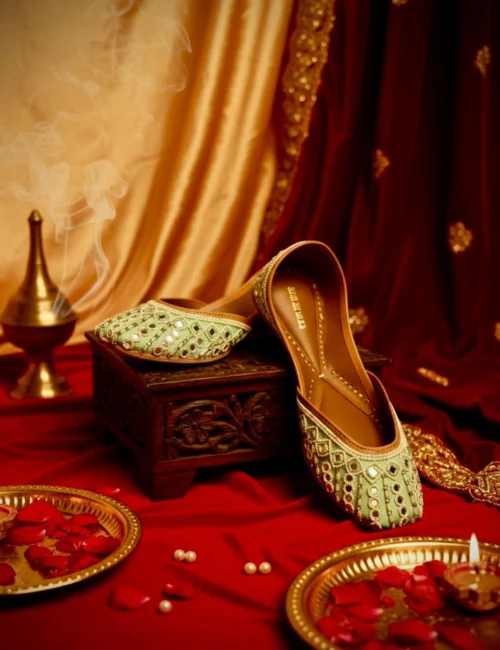
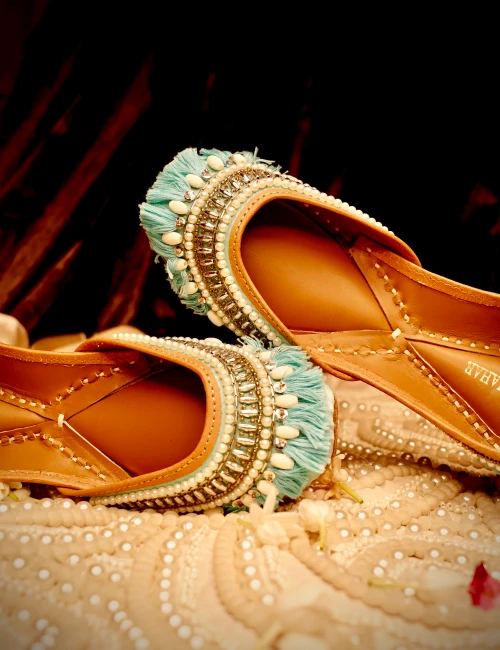
Dress up your office wear game by wearing a white hakoba kurta with White Suit With Heavy Dupatta. This combination not only looks polished but also adds a touch of sophistication. Keep the accessories minimal to maintain a professional look, like adding a pair of classic White Jutti.
When attending a wedding as a guest, you can't go wrong with the Gulabhahar white hakoba kurta paired with White Golden Suit pants. The golden accents on the suit will complement your embroidered kurta beautifully. Add a pop of colour to your ensemble with a vibrant dupatta and finish off with a gold necklace for that regal touch.
Embrace the festive spirit this Diwali by wearing your white hakoba kurta with White Suit Combination Ladies. The intricate embroidery on both pieces will create a harmonious look. Opt for minimalistic gold jewellery to add some shine without overpowering the outfit.
For a relaxed yet stylish casual Friday at work, your Gulabhahar white hakoba kurta pairs perfectly with White Churidar Suit pants. Add a lightweight dupatta and complete the look with some simple silver bangles from our 92 5 Silver Jewellery collection.
Eid calls for something special, so why not wear your white hakoba kurta with matching churidar and a heavy dupatta from our White Suit With Heavy Dupatta collection? The weight of the dupatta adds a luxurious feel to the ensemble. Accessorise with classic White Jutti for an elegant and traditional touch.
The white hakoba kurta is a showcase to Gulbhahar's commitment to preserving India's rich textile past. Each kurta is attentively crafted by skilled craftsmen, their hands guided by generations of tradition. The soft 'hakoba' embroidery, a signature of this garment, is a skill passed down through countless mothers and daughters in the small village of Bhuj, Gujarat. Every stitch tells a story of patience, pride, and an unyielding dedication to upholding old workmanship.
This pristine white kurta is a staple in every Indian woman's wardrobe, gracing myriad celebrations and ceremonies. It is the perfect choice for Navratri Garbas, where its lightness allows for fluid movements as you dance to old music. On Diwali, it illuminates with warmth under string lights, reflecting the festival of lights' glow. During weddings, it shows a quiet grace amidst the bright chaos.
The white hakoba kurta expresses feminine grace and modesty, making it a beloved choice for family gatherings and religious ceremonies. Its understated elegance allows you to stand out without drawing attention away from the occasion's true focus - your loved ones and your faith. The way it falls gently around you, like a whispered secret, is vintage-style of the gentle rustling of petals in a blooming lotus.
The 'hakoba' embroidery on this kurta is an intricate cloth of folk motifs. Tags like 'phulwari' (flower), 'chandrakala' (moon-shaped), and 'bel' (paan leaf) patterns weave a narrative of India's lush landscapes and cultural culture. Each design part tells a story, serving as a visual prayer to the gods and goddesses who inspire them.
The white hakoba kurta is more than just a garment; it is a beacon of India's cultural roots. It honors customary values like 'saree' (respect) and 'parivaar' (family), reflecting the importance of togetherness and unity in Indian culture. Its forever appeal lies in its ability to adapt with you through different stages of life, making it an heirloom worth passing down.
This kurta is not just for today's women; it is a bridge connecting generations. It is the same garment your grandmother wore to her sister's wedding and the one you will pass on to your daughter, who might wear it to hers. Its key values lie in its ability to go beyond time, serving as a reminder of our shared past and collective journey.
The white hakoba kurta is deeply rooted in Gujarat's rich cultural tradition. Its talent reflects the state's well-known textile industry, with complex embroidery techniques like 'phad' (chain stitch) and 'zardozi' (gold thread work). Wearing this kurta is like carrying a piece of Gujarat's history and pride on your shoulders.
Purchasing the white hakoba kurta from Gulbhahar is not just buying a garment; it's an investment in tradition. You are supporting the creators who keep these age-old crafts alive, preserving India's cultural gift for future generations. With each purchase, you become a part of this lasting story, weaving your own thread into its rich weave.
Crafted in purest white, this hakoba kurta stands as a symbol of refined simplicity. Its fragile hand-embroidered borders are more than just decoration; they express tales of artisanal mastery. Perfect for both casual outings and formal gatherings, this kurta represents the blend of comfort and elegance.
The white hakoba kurta is a timeless classic that embodies purity and simplicity, making it perfect for auspicious occasions like weddings and festivals. Its modest yet elegant design honors cultural traditions while providing comfort and grace throughout the day's celebrations.
For a family puja, pair your white hakoba kurta with a traditional drape, such as the saree style. Complement it with modest jewelry like a mangalsutra and jhumkas to enhance the sacredness of the occasion. This combination reflects respect for cultural rituals while maintaining grace and modesty.
Our white hakoba kurtas are adorned with intricate handwork, such as zari embroidery and delicate lace detailing. Skilled artisans pour their expertise into each piece, ensuring that every kurta celebrates feminine grace and honors the rich cultural heritage of India.