Introduction
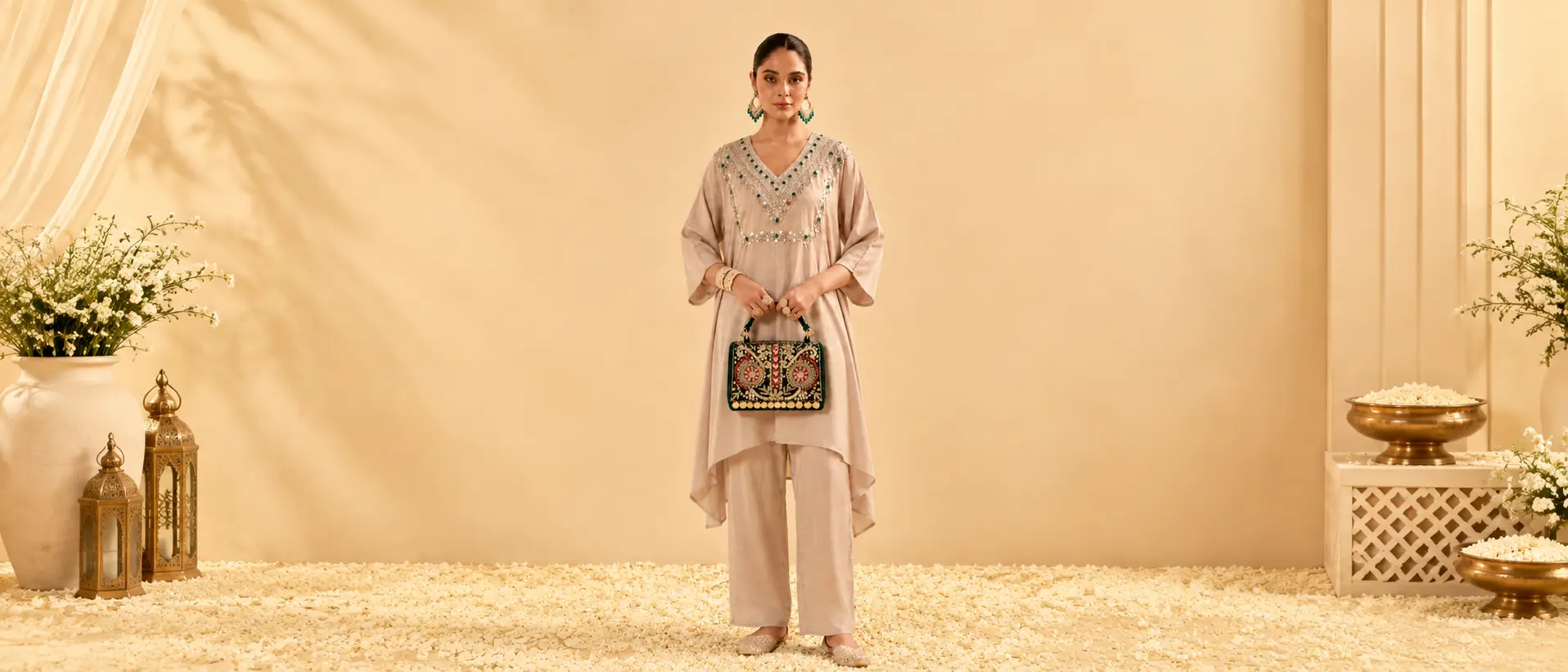
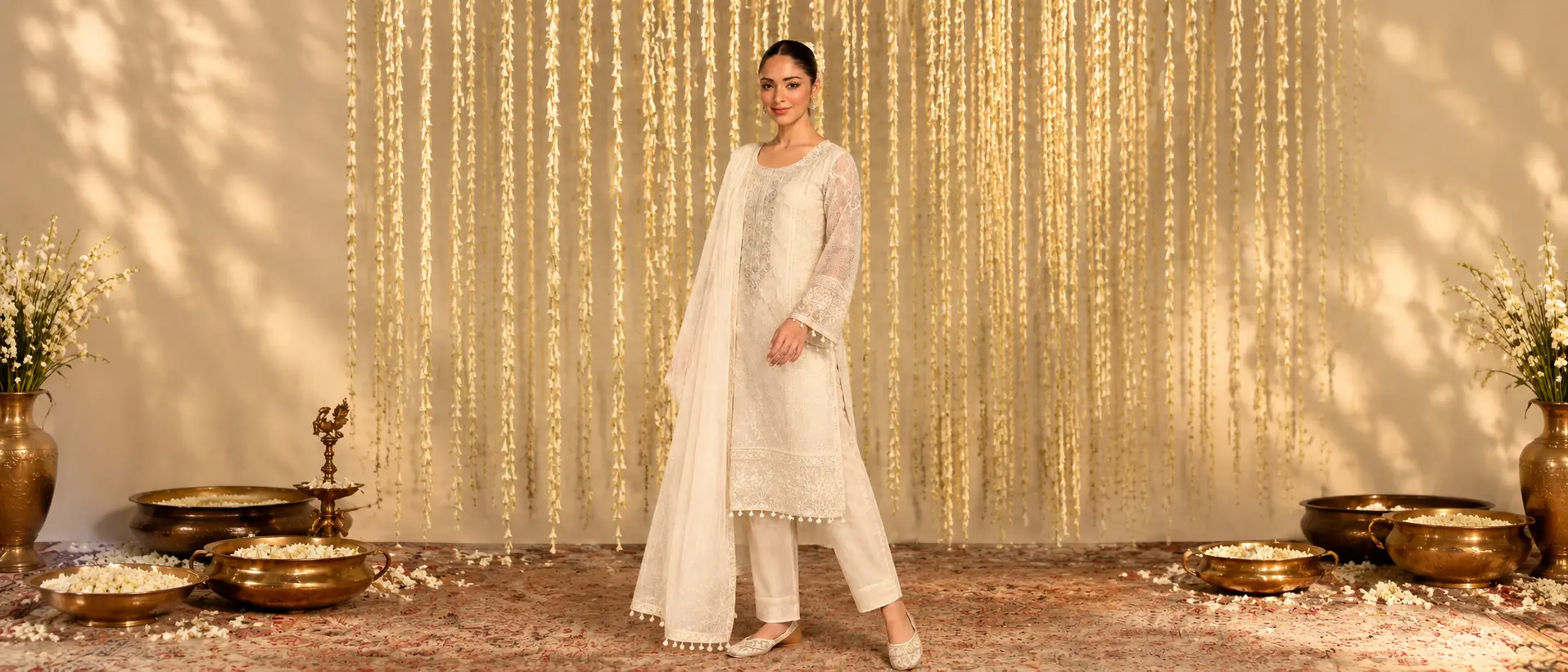
There has been a shift in the way Indian women discuss getting dressed. They are no longer simply aiming to look good. No, now they are aiming to look expensive. Not ostentatious. Not garish. Expensive. And there is a distinction, and most people know exactly what it means whether they can put their finger on it or not. It is an outfit that gets questions about its provenance before a word is said. Fabrics which feel luxurious even before any decoration takes effect. Construction which holds its own without any effort at all. That is precisely what the Gulbhahar collection revolves around.
What Is The Difference Between Looking Good and Looking Expensive In Indian Fashion?
Price is not a factor. A ten thousand rupee garment can be considered expensive, and a fifty thousand rupee one can be considered mundane. The distinction lies primarily in three key areas: fabric quality, embroidery perfection, and silhouette cohesion. With all three elements in place, an outfit is deemed expensive irrespective of price. If any one element is off, the whole package fails. Indian women in 2026 are experts in spotting those signs and are very particular about them.
How Do You Tell Between Good and Bad Embroidery?
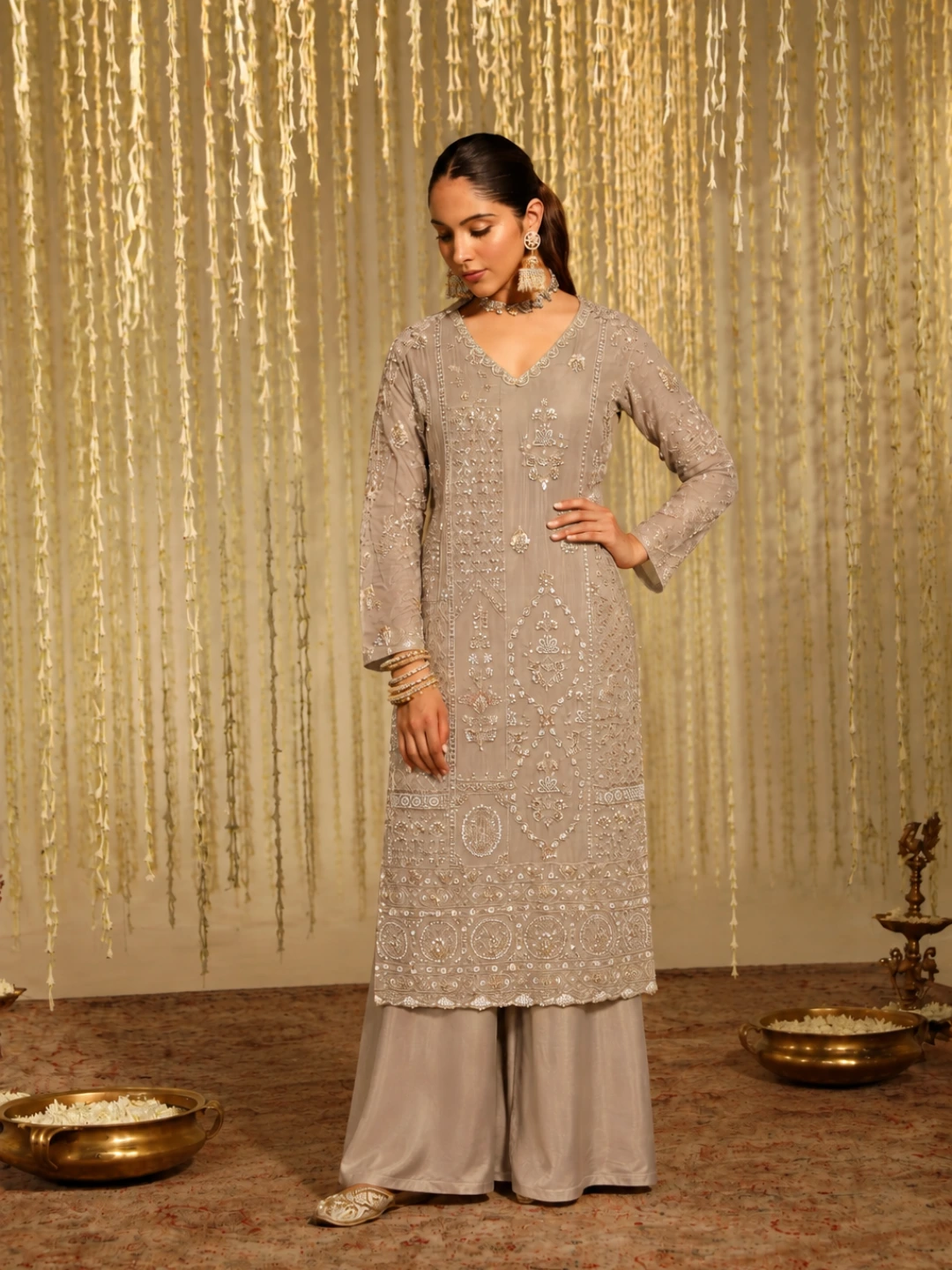
This is the thing that everyone wants to know, but no one asks. Poor embroidery is sloppy, loose, and placed on top of the fabric without actually becoming part of it. Good embroidery is dense, detailed, and seems to have grown from the fabric itself. There is no mistaking good embroidery from bad embroidery once you learn how to spot it. The Grey Heavy Suit for Women is a perfect example. Sections of sequins and kora work stretch the length of the silk crepe kurta, all framing a floral medallion that is dense enough to sparkle in the light from every angle. The neck piece adds a scalloped edge to an already architectural design. The hemline is a wider border of floral paisleys. The embroidery does not seem decorative at all; it looks structural.
Does the Colour Influence the Luxury of the Outfit?
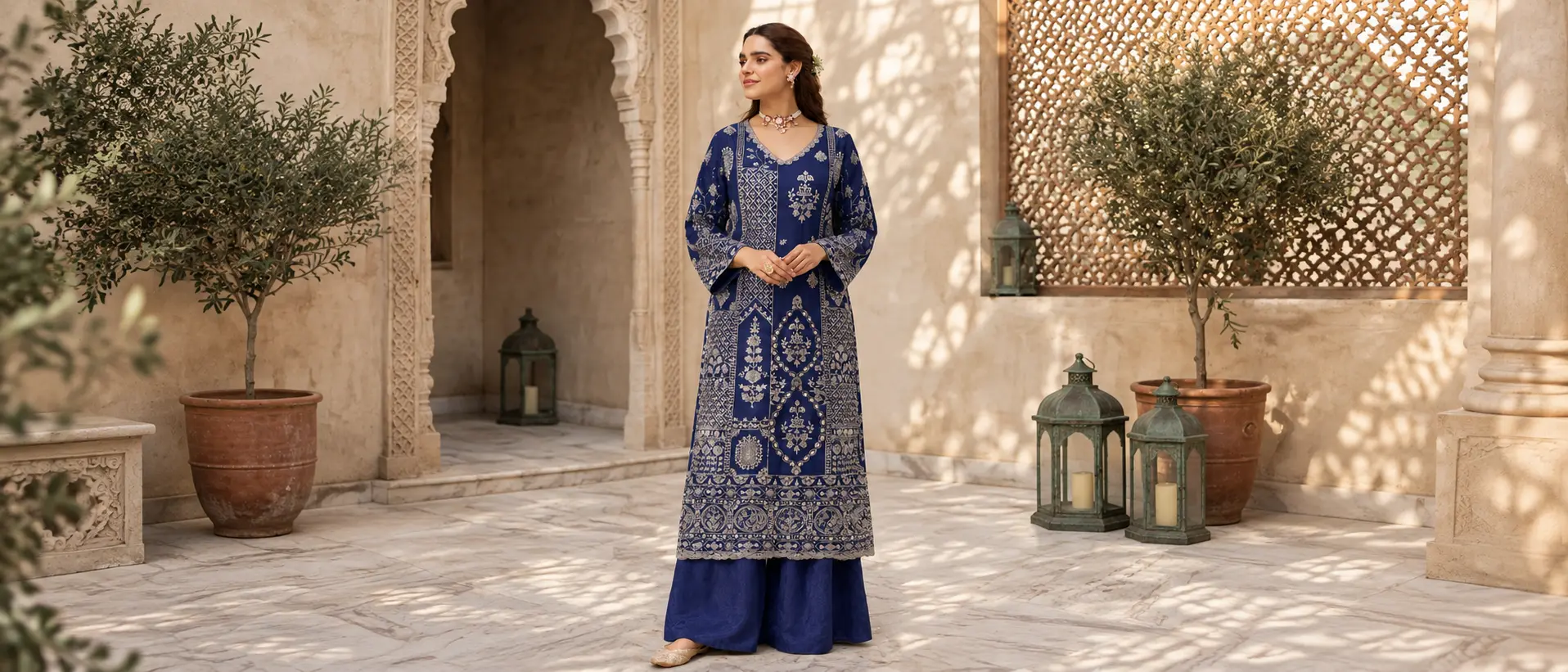
Yes. There are colours that seem to be thought out and there are those that seem to be accidental. Navy blue is one of the most reliable luxury colours of ethnic clothing due to the depth that does not overwhelm. Navy Blue Heavy Work Suit is a good example of such use of the colour. Panelled all-over embroidery with medallion and floral prints goes on a navy silk crepe background, and the combination of blue and gold sequin kora makes the outfit look luxurious at first sight. It can be ordered in light grey also.
How Important is the Fabric in Making You Look Lavish?
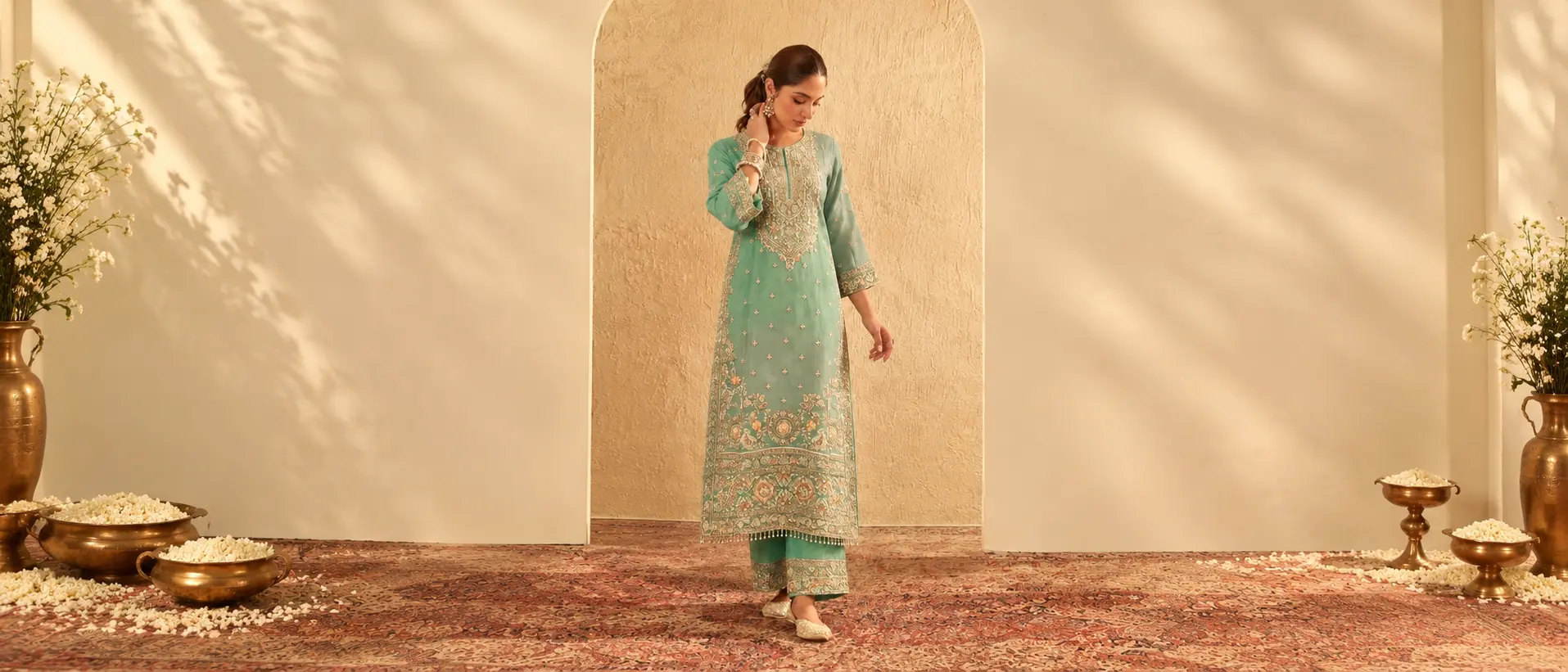
Very. It comes first. The fabric is what signals quality even before the embroidery starts showing, before the colour becomes clear. Tissue silk, silk crepe, and chiffon are fabrics that poor-quality materials can never emulate in how they hang and behave. These fabrics are different. Their hanging and handling are unique. These fabrics have a certain quality before a single stitch is ever visible. An example of this is the Sage Green Festive Suit. The base fabric for this outfit is tissue silk, in sage green, which shows elegance even before the embroidery takes effect. Zardozi and sequin cutdana with dabka embroidery cascade down in gold and copper colours with scalloped borders. Beaded tassels are trailing from the hem. The sharara is completed with embroidery at the ankle. The dupatta completes everything with its own embroidery. But it is the tissue silk that is doing the major part.
Is It Possible for an Outfit to Be Costly Looking without Hefty Embroidery?
Yes, it is, and here is when most people usually go wrong with the formula. They believe that costly-looking requires heavy embellishment. But that is not always the case. All it requires is the right type of embellishment at the right spots of the right kind of fabric. The Green Heavy Ethnic Co-Ord is one piece that features all-over floral vine embroidery, featuring motifs of swans and ladies, all done manually in sequins, beads, and dabka work on bottle green silk crepe. Circular medallion work also adorns the garment. Everything is embroidered carefully; nothing is left plain. However, what makes it look costly and not overloaded is the way the density is evenly and consistently distributed throughout the whole piece.
Is Silhouette as Important as Embroidery?
It can be as important as, or even more than, embroidery. Beautiful embroidery that is placed on an incorrect silhouette will not look special. The silhouette defines how the embroidery looks while moving. The Black Party Wear Co-Ord Set proves it without any elaborate embroidery on it. The sheer chiffon forms layered ruffles from the heavily beaded front. Stones and sequins sparkle with each move made by a person wearing it. There is a deep V-neckline that balances the fluidity. The sleeves drape instead of fitting. It is finished off with flowing pants and a dupatta. It looks like an expensive piece because everything in the silhouette contributes towards one idea.
How Indian Craft Has Always Been the Basis of Looking Expensive
One of the things that makes looking expensive in Indian fashion so interesting is that the solution has always been right there. The visual richness achieved through the artistry of Indian craft such as zardozi, dabka, kora embroidery, and sequin work creates the same rich texture as expensive fashion. The issue has not been one of accessibility to the craftsmanship required for expensive-looking fashion. It has been a period in which Indian women were convinced that Western minimalism was more refined than Indian richness. The Gulbhahar Collection understands that craft is the basis of expensive fashion.
Tags
Frequently Asked Questions
What gives an ethnic outfit an expensive look?
Quality of fabric, accuracy of embroidery, and silhouette consistency combined together. If all three come together correctly, then the outfit looks expensive no matter what the cost is.
Is more embroidery always equal to an expensive look?
No, not necessarily. Embroidery that is inconsistent or uneven in appearance can look cheap no matter how many there are on the fabric. Precise and consistent embroidery gives an impression of an expensive look.
Which materials give an ethnic outfit an expensive look?
Tissue silk, silk crepe, and chiffon. There is no way for cheaper fabrics to imitate their draping.