Introduction
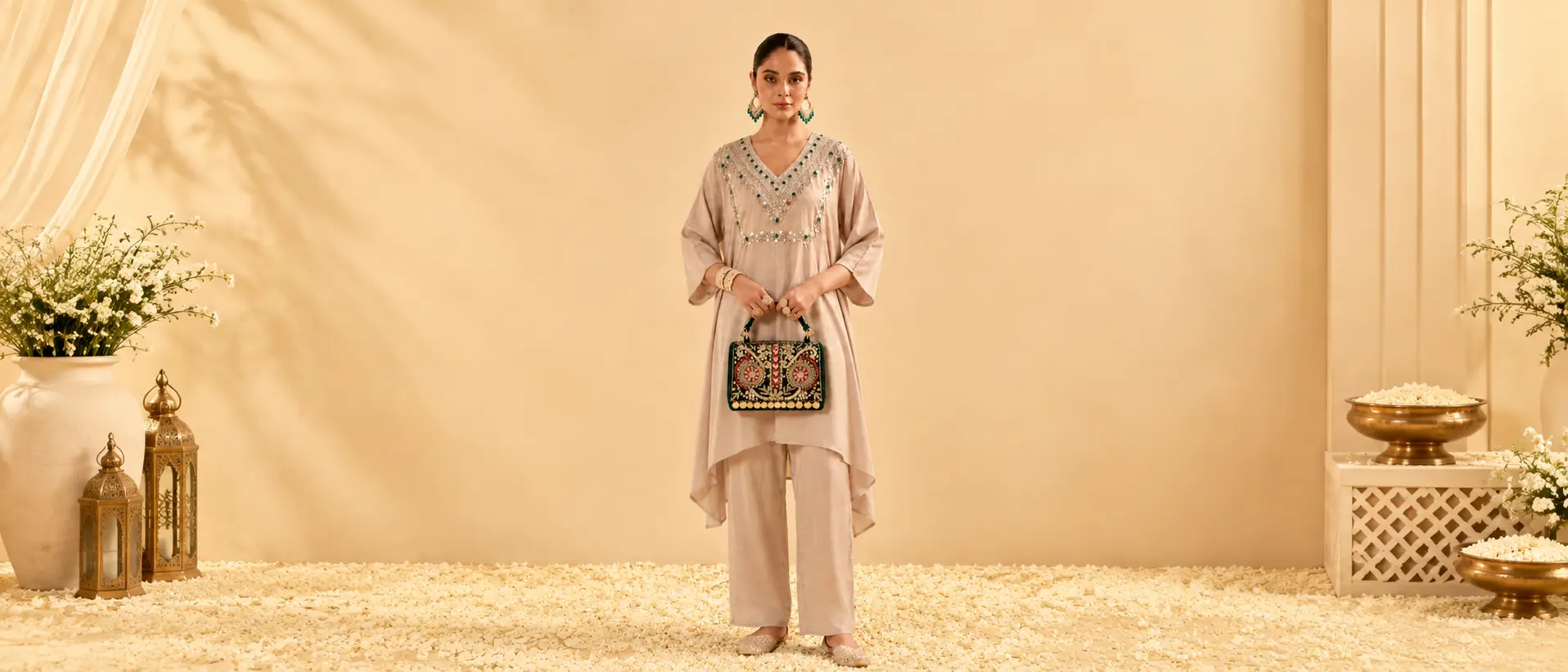
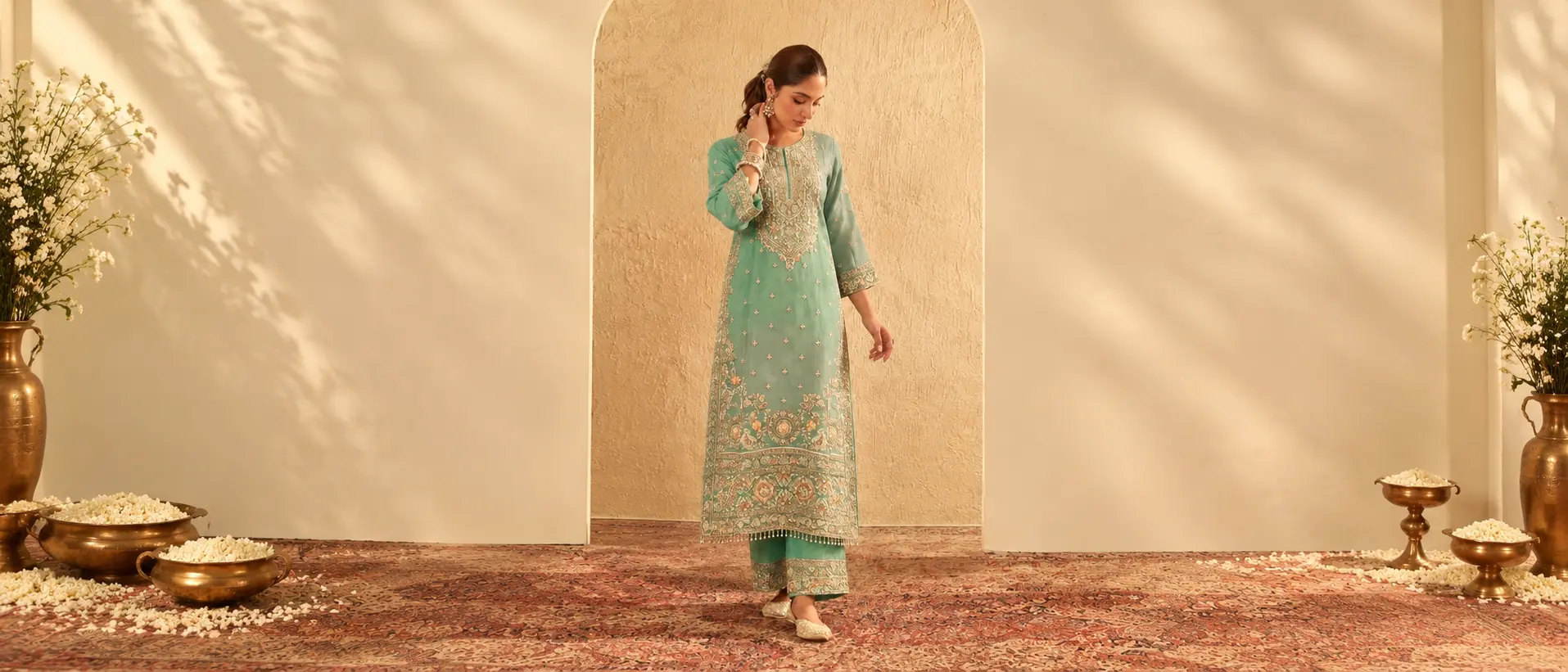
For many years, the rule of fashion was simple: in doubt - remove an element. It has to be less is more; do not try too hard. And at some point, this rule defined everything around. Luxury, clean lines, no excesses. Something changed, though. The "too much" outfit made its way back again. However, it is not the same "too much" as before. The new one is intentional, handmade and rooted in traditions of Indian embroidery. Gulbhahar Collection finds itself in the middle of this trend.
What Is the "Too Much" Outfit?
The old "too much" outfit was all about randomness and excessiveness. Too many accessories, too many clashing colours, too many styles of embroidery that were fighting against each other. It looked chaotic because there was no clear direction. The new "too much" is all about richness and density of all the elements in the ensemble. Embroidery, jewel tones, borders - everything is done in a rich style that invites closer observation. The key difference is that all the elements in the "too much" outfit work towards the same visual concept, not against it.
Too Much - The Old Version vs The New Version
The old "too much": clashing colours, conflicting embellishment styles, accessories on top of elaborate embroidery, lack of focus. The new "too much": one main colour in an elaborately made fabric, extensive embroidery with a single language, a silhouette which supports the embroidery without opposing it, accessories which add rather than detract from the overall picture. While the new version of "too much" is carefully planned out, it doesn't come across as being restrained at all.
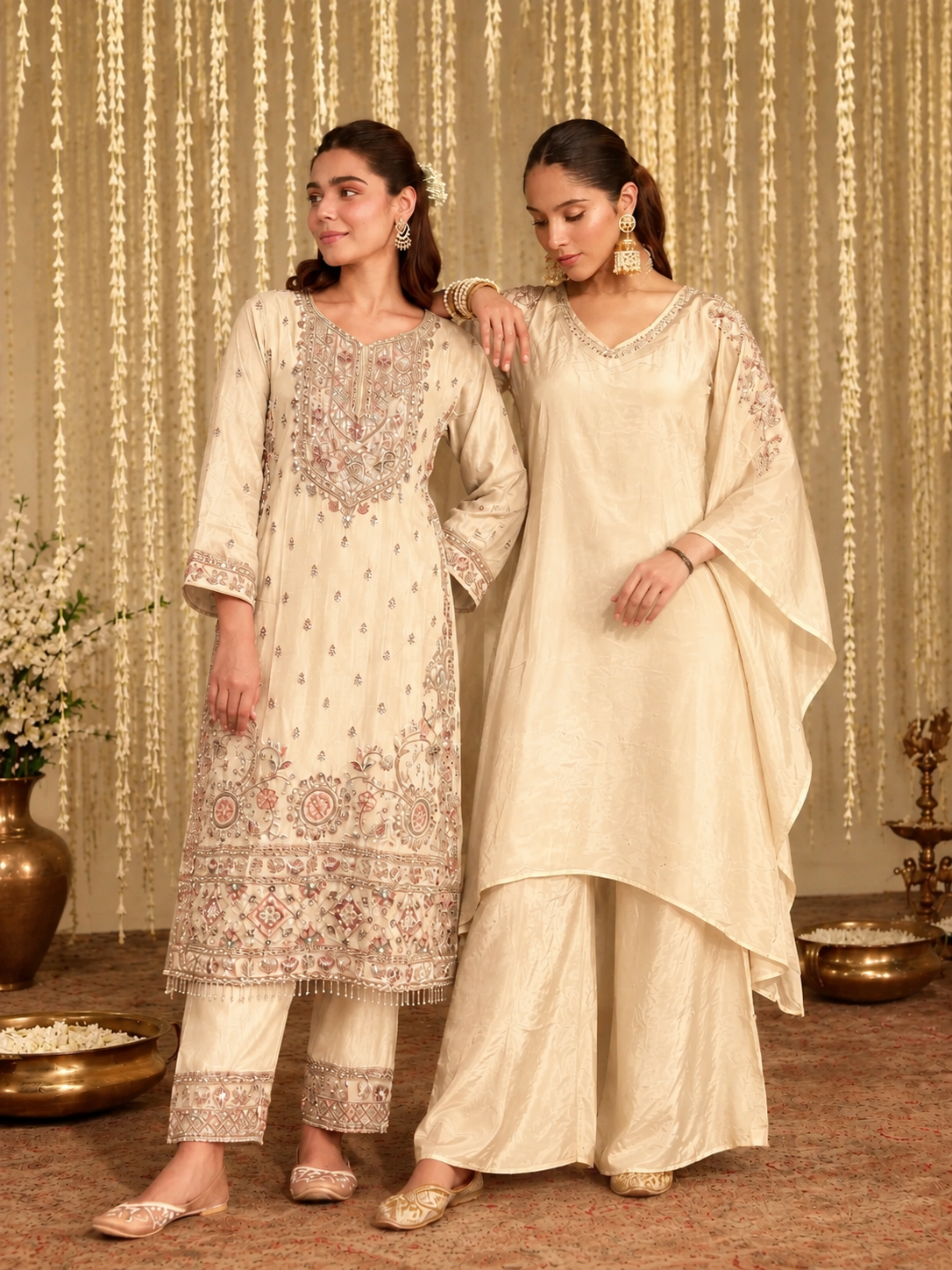
The Too Much Ivory Bridal Kurta Set
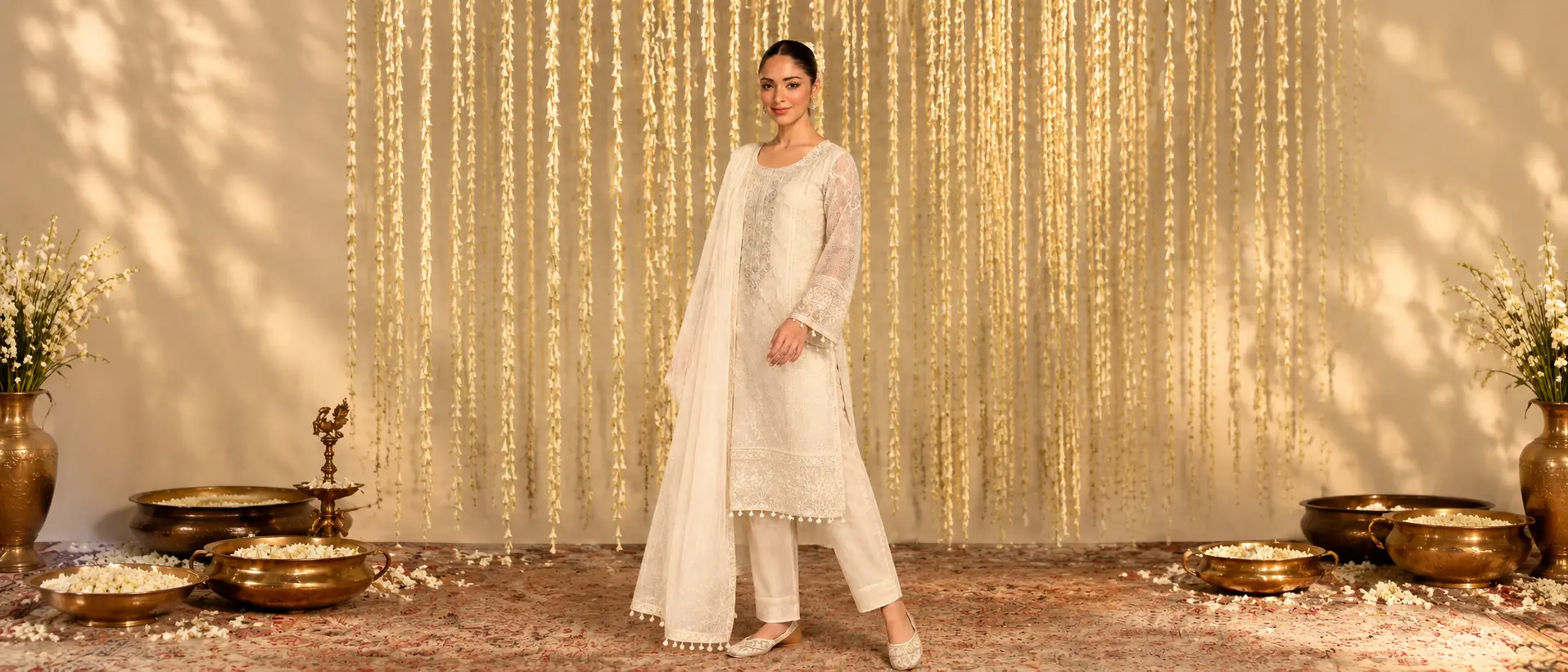
The Ivory Bridal Kurta Set perfectly demonstrates the new version of this aesthetic. Tissue silk of the ivory colour makes up the foundation of the set with tiny golden motifs all over it. The border is made of elaborate zardozi and sequin thread embroidery in gold and copper tones with floral motifs that are so delicate as to be hand-drawn. The hem of the set features beaded tassels. The matching dupatta also has all the details present throughout its surface. It's a lot, but everything in the set is done in a way to harmonize together.
The Orange Suit That Owes a Room
Orange Festive Suit gives us the idea of how a warm jewel tone manages to carry off this look in comparison to a cool one. This suit uses orange tissue silk as its base, with heavy zardozi, sequin cutdana, and dabka embroidery flowing from the top to bottom in gold and copper colours. Scalloped borders enhance the design. Beaded tassels drape from the bottom. The sharara and the dupatta both have their own border work going on. It is a look that is commanding but does not shout about it.
Wearing the New "Too Much" Without Overdressing and Overdoing It
There are some rules about how to wear the new "too much," which differ from the previous guidelines. Among those: Sticking to one colour story. For example, if the outfit consists of teal and gold elements, every item must remain in one colour story. Any additional item in a third colour destroys the harmony. Allow the outfit to dictate what kind of accessories can be worn. The heavily embroidered dress does not need any jewels. Only golden earrings can be worn with such an outfit because the embroidery already serves as jewellery. Wearing appropriate juttis that speak the same language of craftsmanship. Handcrafted juttis with mirror work or embroidery will go great with the heavily embroidered dress. A simple sandal will not fit the look at all.
Mustard Suit: Restraint Within Excess
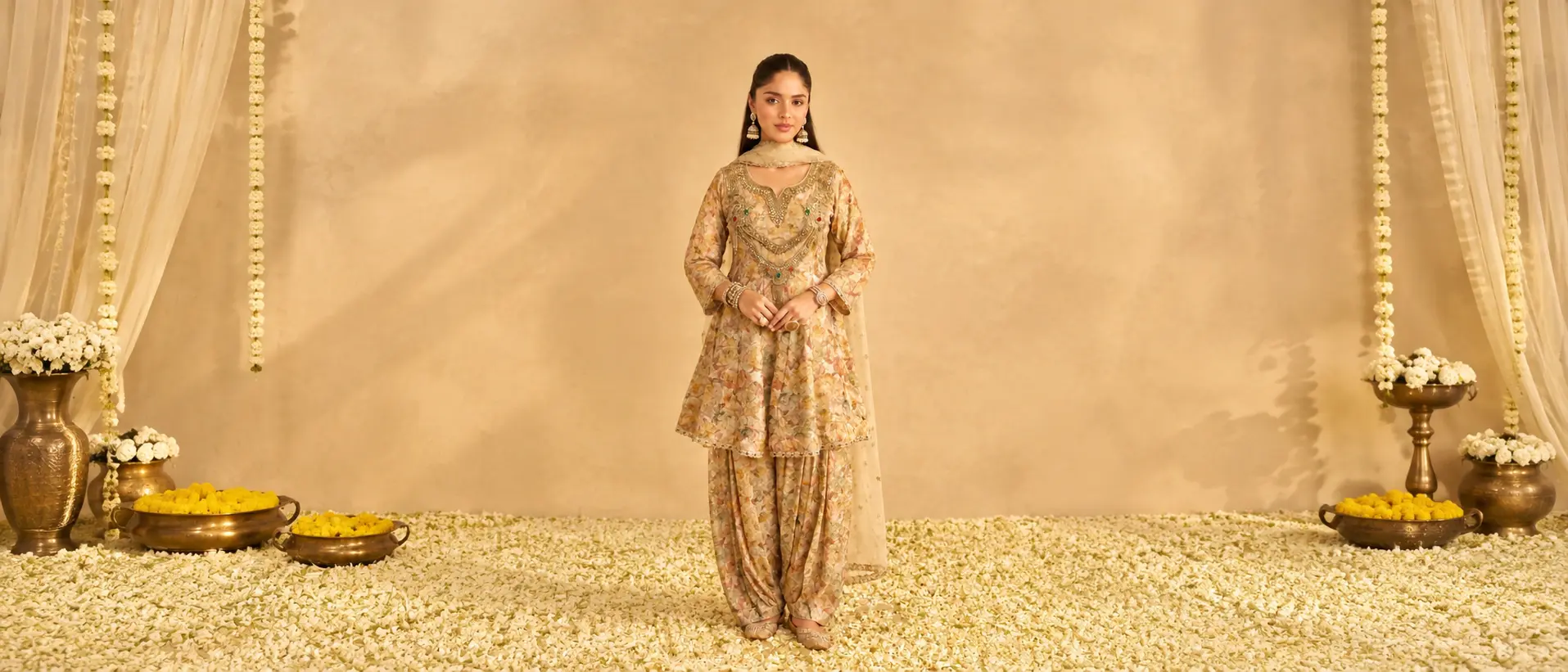
One of the most intriguing suits in terms of the "too much" trend that displays restraint even in its excess is the Mustard Yellow Festive Suit. The foundation of tissue silk in mustard yellow features heavy zardozi, sequined cutdana, and dabka embroidery in gold and copper colours, surrounded by scalloped borders. The beaded tassels dangle from the bottom of the suit. The sharara follows the same pattern of embroidery near the ankle area. This suit is totally devoted to excess, yet the foundation of mustard yellow colour is much more soothing compared to dark teal and orange colours.
The Navy Suit Proving That Dark Colours Make All the Difference
The Navy Blue Heavy Work Suit shows just how powerful the idea of the "too much" look can be when combined with a really dark base colour. Embroidery in all-over sequins and kora with medallions and florals on deep navy silk crepe results in an effect whereby the embroidery appears to come out of the cloth itself as opposed to being merely applied to it. The darkness of the navy base makes the effect of the embroidery something which no light base would achieve. The gold becomes more luxurious. The medallion designs appear more structured.
Why It Will Never Go Away
This aesthetic of “too much” is not a fleeting fashion trend in any conventional sense. It is the rediscovery of an element of Indian fashion that had always been characteristic of India before Western minimalism made people think otherwise. Embroidery, opulent textiles, and strong colours have always been an integral part of Indian handicrafts. Today’s Indian women who wear these garments with confidence are not innovating anything; they are reviving something that had been temporarily overshadowed by other fashions. And that is precisely what the Gulbhahar Collection is based on.
Tags
Frequently Asked Questions
How can I wear my heavily embroidered attire without going overboard?
Keep the colour palette from the same family. Let the embroidery rule, but keep the accessories simple. Pair shoes in the same language as your attire. Your outfit should be doing the talking. Your accessories need to back it up, not overpower it.
Which colour combinations suit my heavily embroidered outfits?
Jewel tones will carry your heavily embroidered look well since they have more depth than pastels. Teal, navy, orange, mustard, and ivory make good candidates for carrying embroidery within their colour palette, not over it.
Is this “too much” attire suitable for everyday occasions?
Not really. My heavily embroidered tissue silk suits belong to festive occasions and parties. My sangeet, reception, Diwali dinners, and weddings are where my heavily embroidered attires belong.