Introduction
Indian ethnic wear has always been synonymous with culture, craftsmanship, and evolving ways of life. Be it an intricate and elaborate embroidered suit or a comfy coord set, women's wear has undergone changes but always remained true to its roots. That which could only be in heavy material and with elaborate work is now available in many versatile and comfortable styles that complement modern-day ways of living. Juttis have evolved from being strictly traditional foot accessories to become fashion statement pieces. The Indo-Western wear takes inspiration from the best of the West and Indian culture and craftsmanship. It has given rise to some new silhouettes for the modern woman. Gulbhahar celebrates every piece in the evolution of ethnic wear while staying true to authentic Indian craftsmanship. These staples have grown and changed over time.
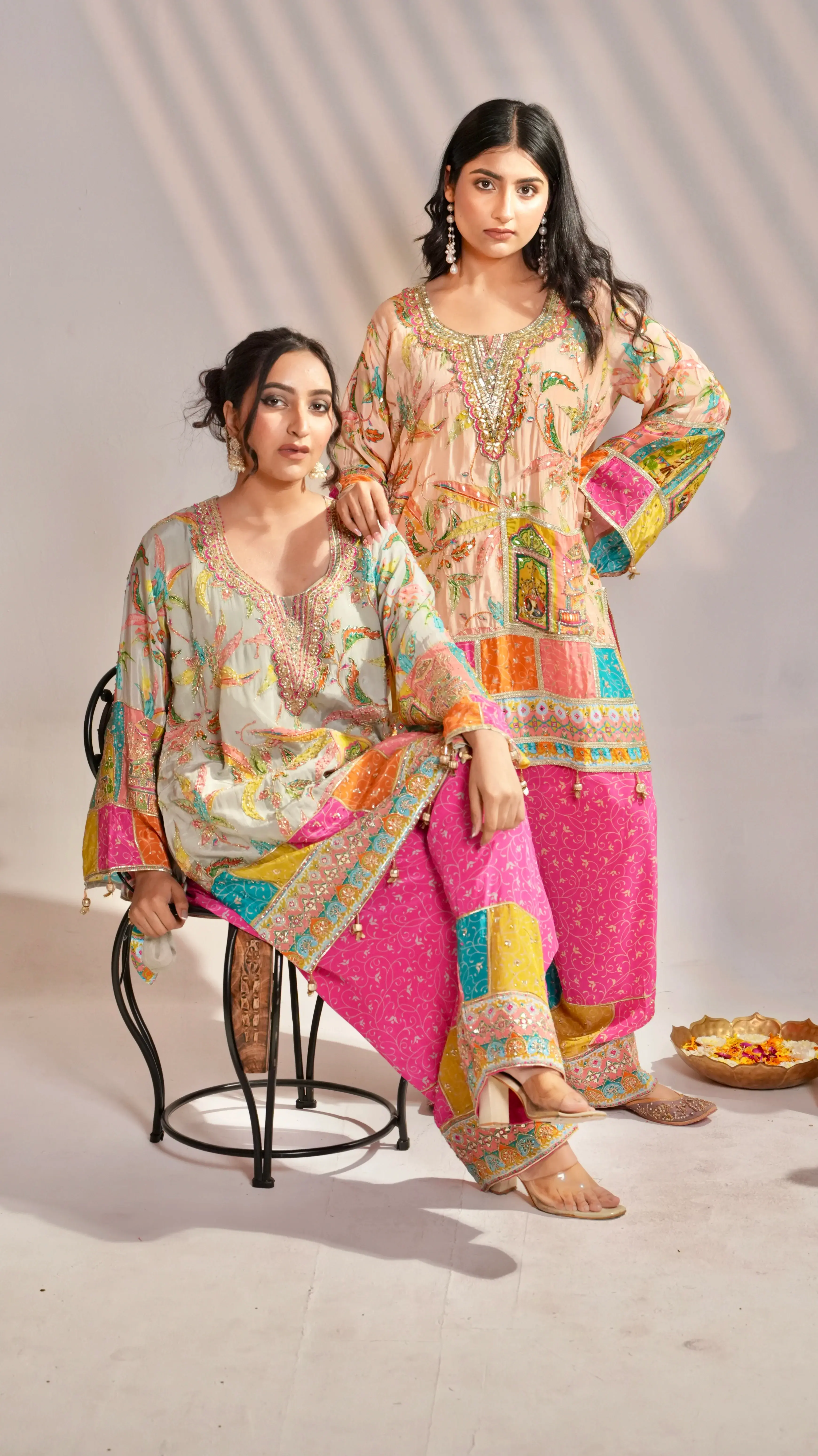
The Journey of Suits Through the Decades
Suits have been a staple in every Indian woman's wardrobe, and their evolution is indicative of the overall fashion sense. In the past, the style of suits had hardly any variation, with traditional silhouettes dominating along with elaborate patterns and cuts. Fabrics were often heavier, and embellishments followed set regional styles passed down through generations. The modern suit provides greater scope for versatility in terms of design as well as comfort. With the use of lighter fabrics, it has become easy to don these suits in everyday life while maintaining elegance. Silhouettes have expanded from the regular straight silhouette to include A-line, Blush Pink Designer Anarkali Suit , and layered silhouettes. This provides women the freedom to select ethnic wear that complements their personal style.
Modern embroidery techniques have also evolved, where the modern Light Grey Multicolour Farshi Salwar Suit combines the best of both worlds by providing classic embroidery along with minimal designs. Such ethnicity provides women a wardrobe essential that is timeless yet current in its approach.
Coord Sets Are A Phenomenon of Minimal-Effort Fashion
Coord sets have emerged as the most rapidly rising category in the field of ethnic wear. These have emerged due to the sheer ease of putting together two similar items of ethnic wear without having to plan extensively. This ease has made them popular among women looking for polished outfits that require minimal effort. The evolution of coord sets is an indication of the shift in the fashion industry towards comfort-based fashion. Previously, the traditional outfits did not consist of many co-ord sets and opted for single garments like sarees and suits. The current coord sets have managed to combine modern cuts with traditional prints and fabrics. This category also shows how the ethnic wear industry has incorporated practicality in its clothing. Rust Orange Party Wear Co-ord Set all body types and are very versatile with respect to styling and accessorising. The growing preference for this classification of fashion shows a trend moving towards practicality in fashion.
Indo-Western Wear as a Bridge Between Two Worlds
Indo-Western wear constitutes one of the greatest changes that have occurred within the ethnic fashion industry. This particular classification has combined traditional Indian fashion with contemporary fashion styles. This is a reflection of the changing trends of fashion. Its rise reflects how fashion preferences have become more fluid over time. Indo-Western clothing has evolved ethnic fashion. This blend has enabled the designers to get creative and at the same time pay tribute to their traditional artistry skills. The end product is a Dark Green Party Wear Suit Set emerging genre due to its uniqueness within a conventional setting.
Combinations of Western-style tailoring and Indian materials & designs
Incorporation of unconventional hemlines and drapes not found in traditional ethnic wear
Blend of contemporary colour schemes and traditional hand embroidery
Increases adaptability when styling and mixing the garment pieces together
Attracts women who wish to modernize their cultural roots of fashion
Juttis: From Traditional Footwear to Fashion Statement
Juttis are one of the items which have had the most visible change in the field of ethnic wear. They were only regarded as shoes once, but now they are considered stylish on their own and have won everyone’s heart with their comfort and craftsmanship. They have become a favourite across different age groups. The reason for this change is mainly because of their design. Now juttis come in numerous designs with embroidery and thread work, while their silhouette ranges from a closed-toe design to some new designs which can be matched with any kind of clothing. This demonstrates how small items of ethnic wear keep developing and evolving in their own way. Juttis are now not just completing an outfit; they are the main part of ethnic wear.
Conclusion
There is an amazing evolution of women’s ethnic wear, as seen in an intelligent blend of old traditions and practical requirements of modern times. The use of suits has become diverse; coord sets are effortlessly chic, and Indo-Western clothing has provided room for innovation. Juttis have transformed from mere footwear to stylish wearables. All these styles are proof that ethnic wear still pays tribute to its origin while becoming increasingly practical. Gulbhahar continues to blend heritage techniques with contemporary silhouettes, making the ethnic wear collection accessible for every modern wardrobe. With the changing fashions, there is one thing that is sure to come through. Indian ethnic wear will always find new ways to celebrate culture, craftsmanship, and individual style.
Tags
Frequently Asked Questions
What is Indo-Western wear and how is it different from traditional ethnic wear?
Indo-Western wear combines Indian fabrics and embroidery with Western silhouettes and cuts. It offers a fusion look that blends cultural heritage with modern fashion sensibilities.
Why have juttis become more than just traditional footwear?
Juttis have evolved with new embellishments, patterns, and silhouettes. This design innovation has turned them into standout style pieces rather than simple traditional footwear.
Are modern ethnic wear styles still rooted in traditional craftsmanship?
Yes, most contemporary ethnic wear including suits, coord sets, and juttis continues to use traditional techniques like embroidery and handwork, blended with modern design elements for a fresh appeal.