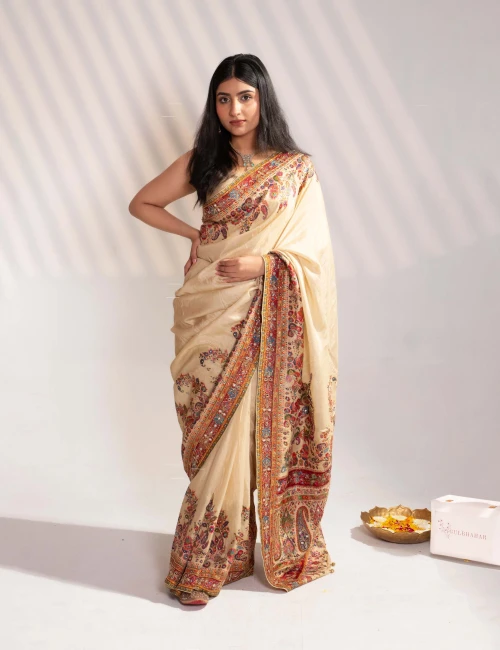
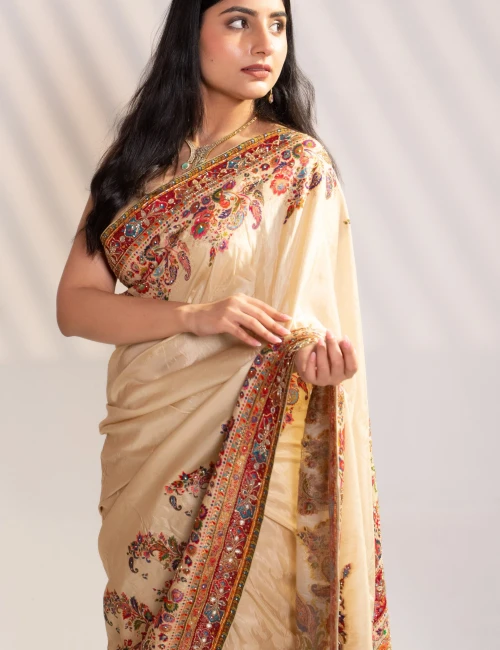
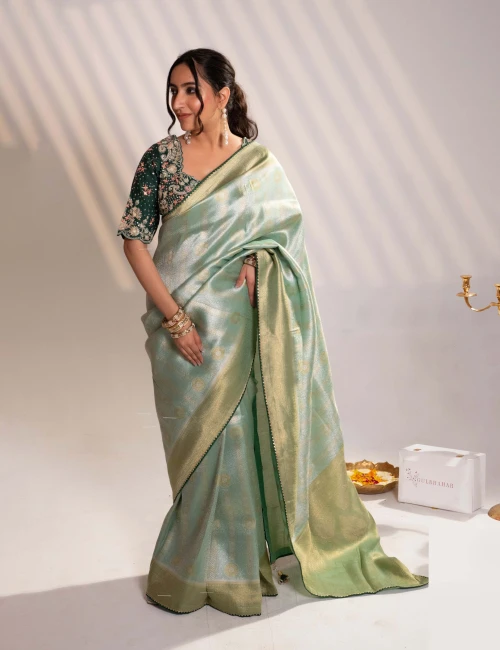
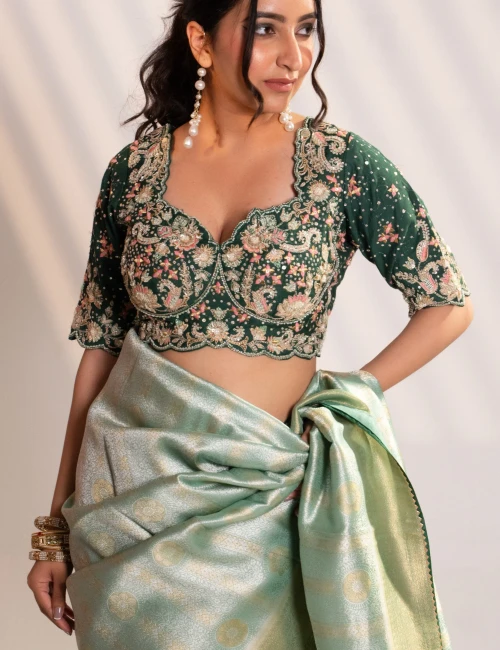
Heritage Collection
Explore Our Saree Range
While this specific niche is being curated, you might find your perfect match in our broader saree collection.
While this specific niche is being curated, you might find your perfect match in our broader saree collection.
Perfect picks to pair with your dream outfit
Perfect picks to pair with your dream outfit
Perfect picks to pair with your dream outfit
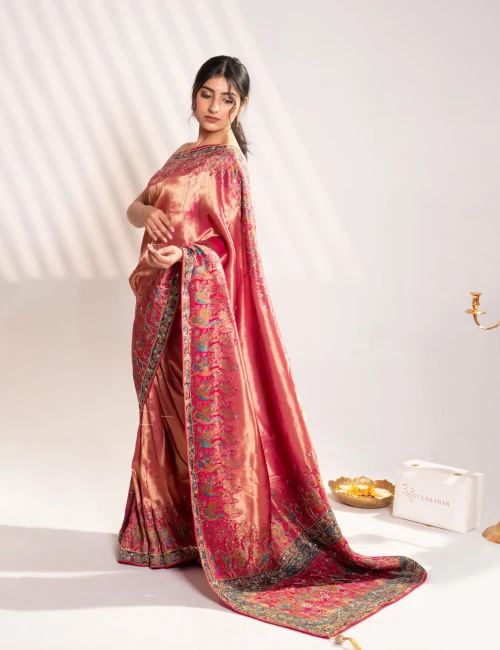
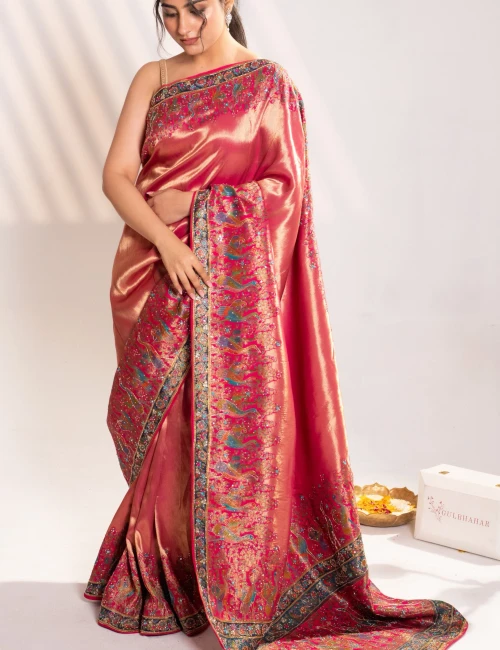
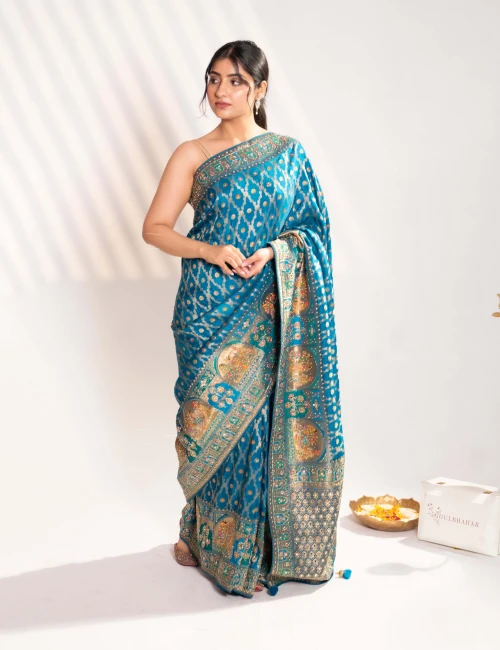
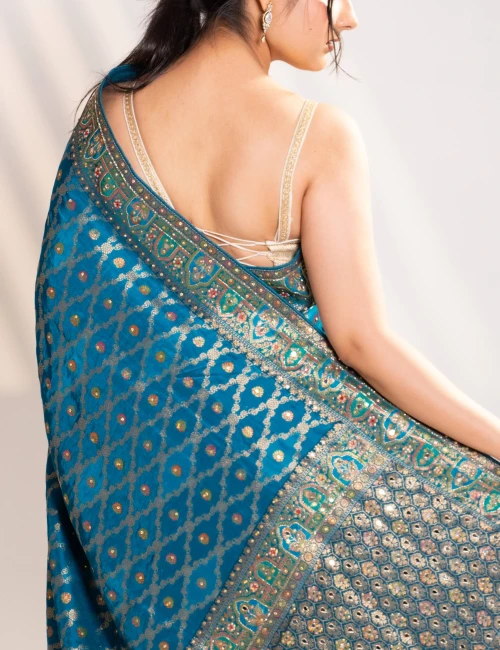
The realm of types of silk sarees in India is a treasure trove of old elegance and modern style. Each piece at Gulbhahar tells a story through its fancy patterns and superior quality, making them cherished by women who appreciate authentic Indian ethnic wear. Take the Banarasi silk saree for example; it stands apart with its gold zari work woven into beautiful designs that tales of royal tradition.
Kanchipuram types of silk sarees in india, instead, are well-known for their durability and elegance. These sarees quality a special weave where yarn threads meet weft threads to create intricate patterns. They are ideal for auspicious occasions like weddings, as they blend ancestral beauty with current styling options.
Gulbhahar also offers Chanderi silk sarees that epitomize elegance with their sheer and lightweight texture added with light zari embroidery. These types of silk sarees in India are perfect for the discerning woman looking to make a graceful statement at evening events or festive gatherings. The art here is meticulous, where each stitch adds an part of luxury and refinement.
Paithani types of silk sarees in india from Gulbhahar carry forward the gift of Maharashtra's finest handloom weaving techniques. With their bright colors and rich patterns inspired by tradition art forms like miniature paintings, Paithani sarees are a striking representation of Indian roots. They evoke an atmosphere of celebration at events such as festivals and ceremonies.
Our collection also includes Varanasi silk sarees that blend the richness of pure silk with the luxury of hand-done gold zari work. These types of silk sarees in India, with their shimmering beauty, make a perfect choice for formal occasions like cocktail parties and evening receptions. Each type has its special set of characteristics, making Gulbhahar’s collection of silk sarees a expert's delight.
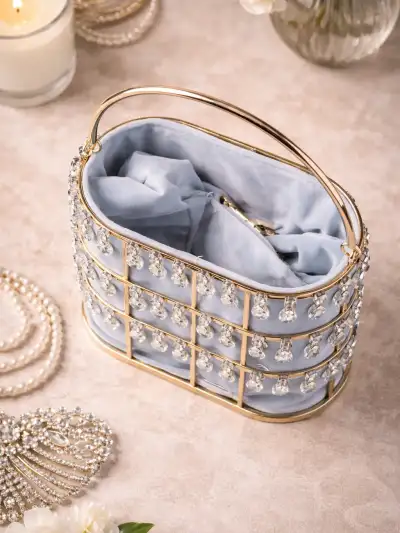
Banarasi silk sarees are a staple for any festive occasion. Opt for a deep maroon or royal blue base with intricate gold zari work to make a statement at weddings and Diwali celebrations. Pair it with a matching Silk Potli Bag and some traditional Indian jewellery like a choker necklace and jhumkas for that extra sparkle.
Kanchipuram sarees are known for their durability and rich patterns. A classic black or navy blue with gold borders is perfect for both formal events and casual wear. Complement the look with a Gold Jewellery Necklace for a regal finish.
For those who love a blend of tradition and modernity, an Ajrakh modal silk saree is ideal. These sarees feature intricate block prints on soft silk fabric. A mint green or sky blue shade pairs beautifully with casual wear like a simple kurti and palazzo set for office outings.
A Banarasi silk saree is perfect for a glamorous evening party. Choose vibrant shades like pink, emerald green, or ruby red with intricate zari work to create an eye-catching ensemble. Style it with high heels and add some sparkle with Bun Jewellery to complete the look.
Kanchipuram silk sarees also come in more subdued patterns that work well for a subtle yet elegant style. A light beige or cream saree with minimal gold borders is great for everyday wear, especially if you want something versatile and comfortable. Wear it with simple embroidery work on the blouse to keep things understated.
Gaji silk dupattas are an excellent accessory to elevate any outfit. Choose a contrasting colour like pink or blue to pair perfectly with your existing saree or kurta set. The lightweight nature of gaji silk makes it ideal for layering during cooler evenings, adding both style and warmth.
The art of weaving silk sarees has been passed down through generations, from mother to daughter, father to son. Each weaver at Gulbhahar carries the tradition of their ancestors, honing skills and techniques that have been refined over centuries. The complex patterns and designs are not merely decorative; they embody the rich cultural tradition of India.
Indian festivals like Diwali, Eid, Durga Puja, and Navaratri are not just occasions for joyous gatherings; they also offer an possibility to don the finest silk sarees. These sarees are more than just garments; they are symbols of our cultural identity, carrying stories of our traditions and customs in their detailed designs.
Silk sarees embody the essence of Indian womanhood - graceful yet modest, graceful yet understated. The six yards of cloth draped around a woman's body transforms her into an perfect of feminine charm. Whether it's the simple elegance of a plain silk saree or the detailed beauty of a Kancheepuram silk with its golden zari border, each saree shows an air of quiet grace.
The motifs and designs on Indian silk sarees hold deep symbolic meanings. The 'chakra' represents the cycle of life, the 'lotus' signifies purity and beauty emerging from adversity, while the 'boteh' or paisley motif symbolizes good fortune. These designs are not merely decorative; they are visual stories that bind us to our cultural roots.
A silk saree is not just a garment; it's an heirloom, passed down from mothers to daughters, from grandmothers to granddaughters. It's the saree worn by your grandmother on her wedding day that now hangs proudly in your wardrobe. This intergenerational continuity underscores the lasting appeal of Indian silk sarees.
Each saree at Gulbhahar is a celebration of India's rich cultural diversity. From the Banarasi silk from Varanasi with its gold and silver brocade to the Kancheepuram silk from Tamil Nadu with its detailed zari work, each saree carries the spirit of its region of origin. By choosing an authentic Indian silk saree, you're not just wearing a garment; you're honoring your cultural roots.
Banarasi Silk
Varanasi, Uttar Pradesh
Kancheepuram Silk
Kanchipuram, Tamil Nadu
The classic style of draping a saree - pleating the fabric at the back, tucking it into the petticoat on one side, and bringing the loose end around to the opposite shoulder - is an art in itself. It's a style that has been passed down through generations, ensuring that the six yards of cloth becomes an extension of the wearer's body.
The diversity of Indian culture is reflected in the variety of silk sarees available. From the bright Phulkari sarees of Punjab to the neat Baluchari sarees of Bengal, each saree carries its regional influences in its design and weaving techniques. This fusion of regional traditions creates a rich fabric of India's cultural tradition.
At Gulbhahar, we curate a select array of types of silk sarees in India. Our collection highlights one of a kind designs like Banarasi and Kanchipuram, known for their delicate weaving techniques and plush feel. These pieces are not only perfect for weddings but also make striking choices for festive celebrations.
For a traditional South Indian wedding, a Kanjeevaram silk saree is ideal. It embodies royalty and elegance with its intricate zari work and vibrant colors. Drape it in the Nivi style, tucking the pleats firmly at the back, and secure the pallu gracefully over your shoulder to signify respect for the auspicious event.
Pair your Banarasi silk saree, renowned for its opulent gold and silver brocade work, with traditional kundan or jadau jewelry. This will enhance the saree's regal appeal while symbolizing prosperity and success. Choose a bold red or maroon color to represent courage and achievement, creating a timeless look that honors both your daughter's accomplishment and your family's heritage.
Mysore silk sarees are famous for their delicate zari work and soft luster, making them perfect for festive occasions like Diwali. Wearing one symbolizes prosperity and good fortune. The saree's modest design, often featuring subtle colors and intricate border patterns, embodies feminine grace and elegance. Pair it with traditional gold bangles and a delicate bindi to complete the look of timeless charm.