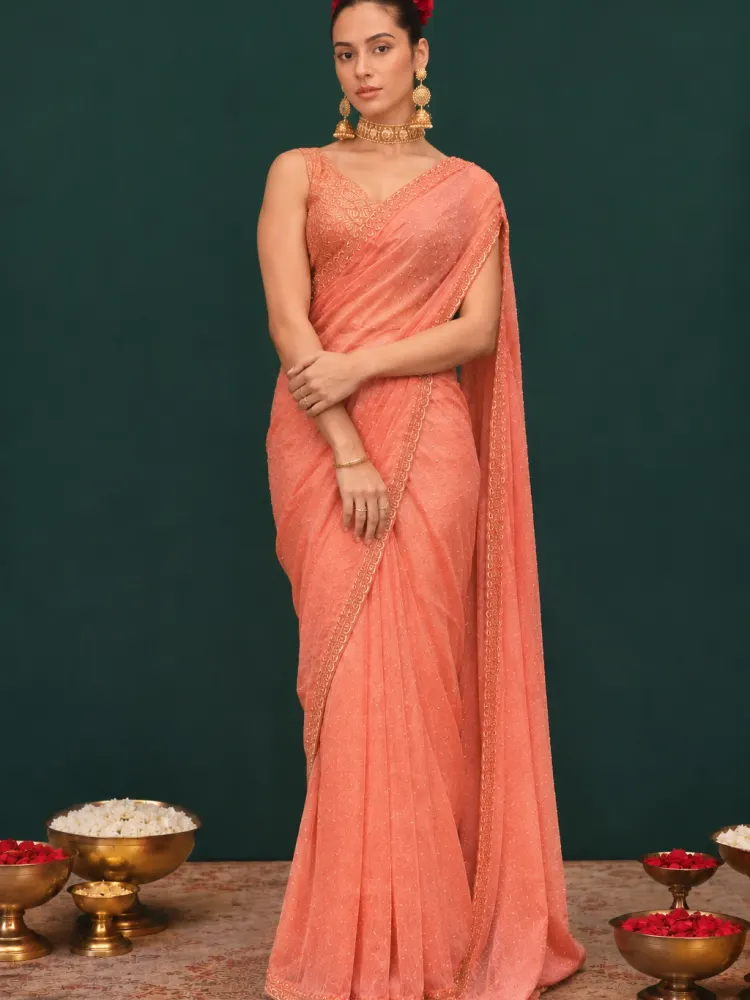
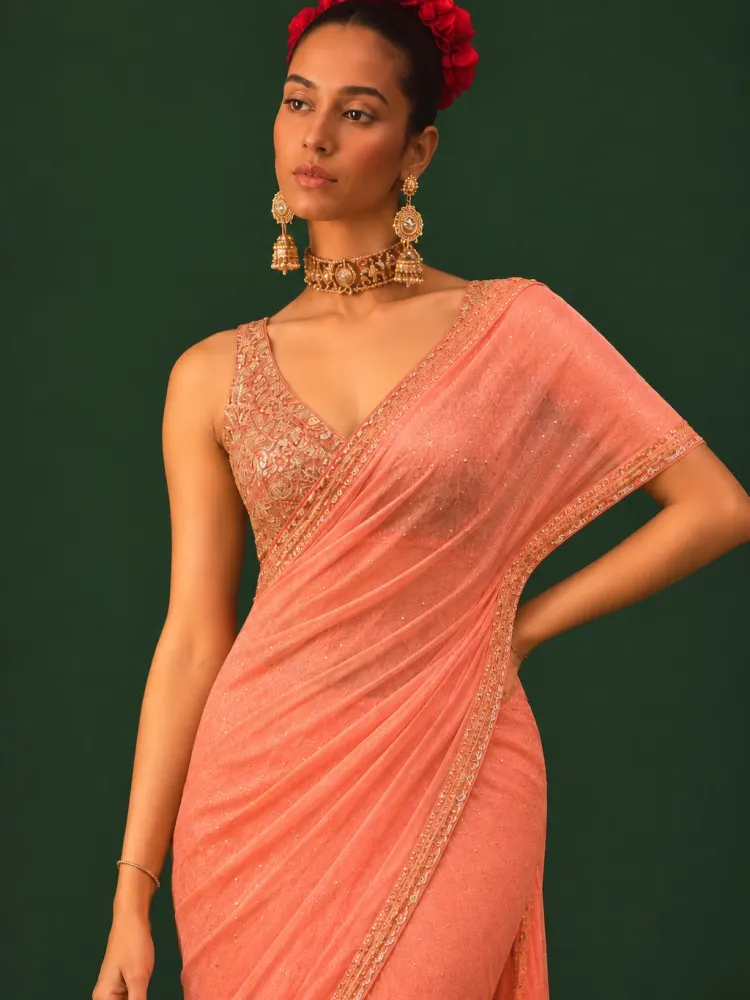
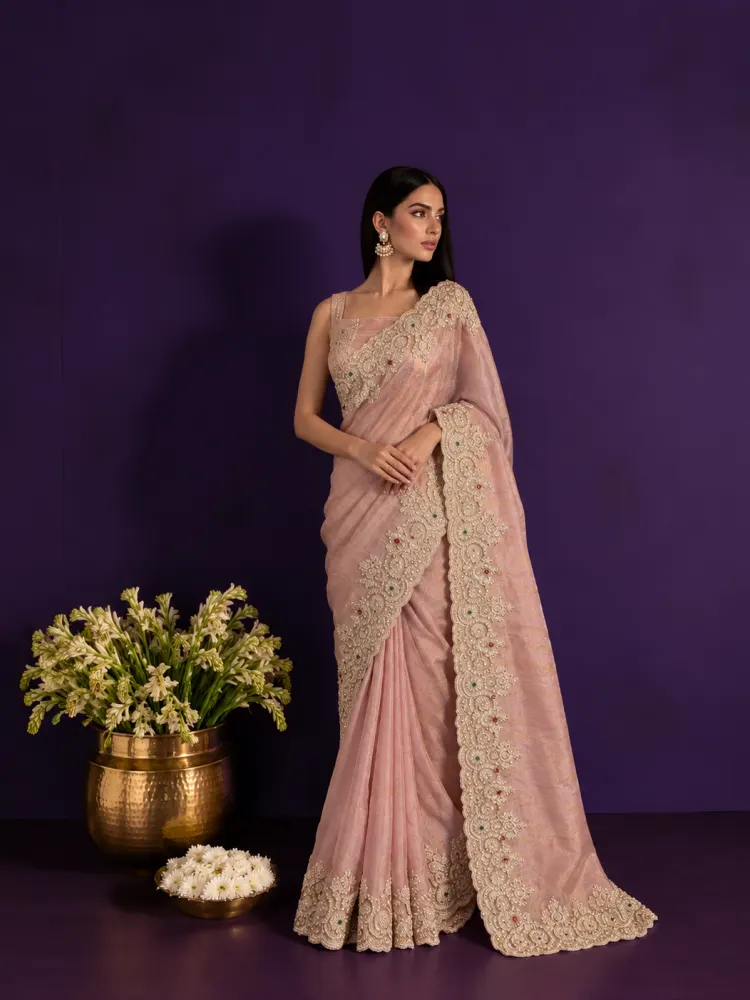
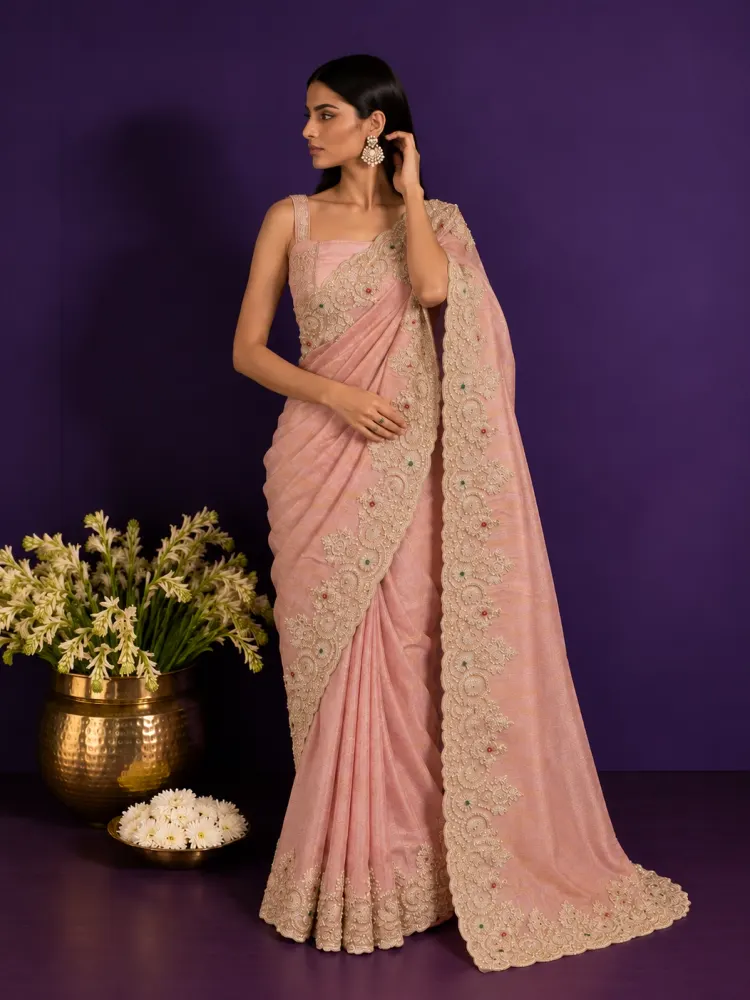

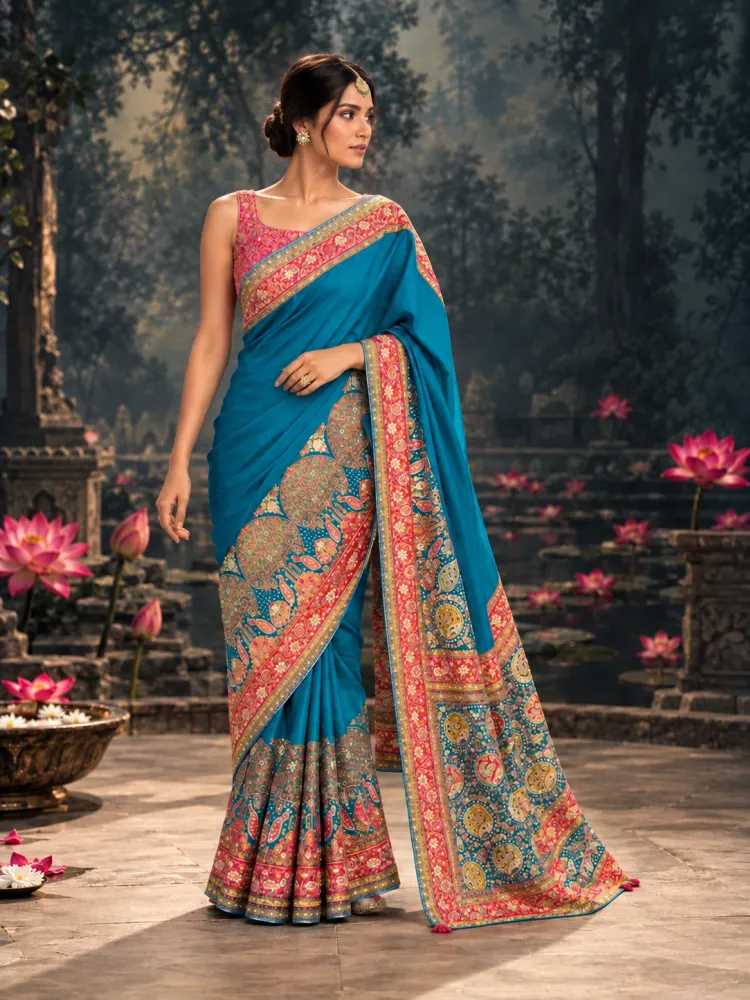
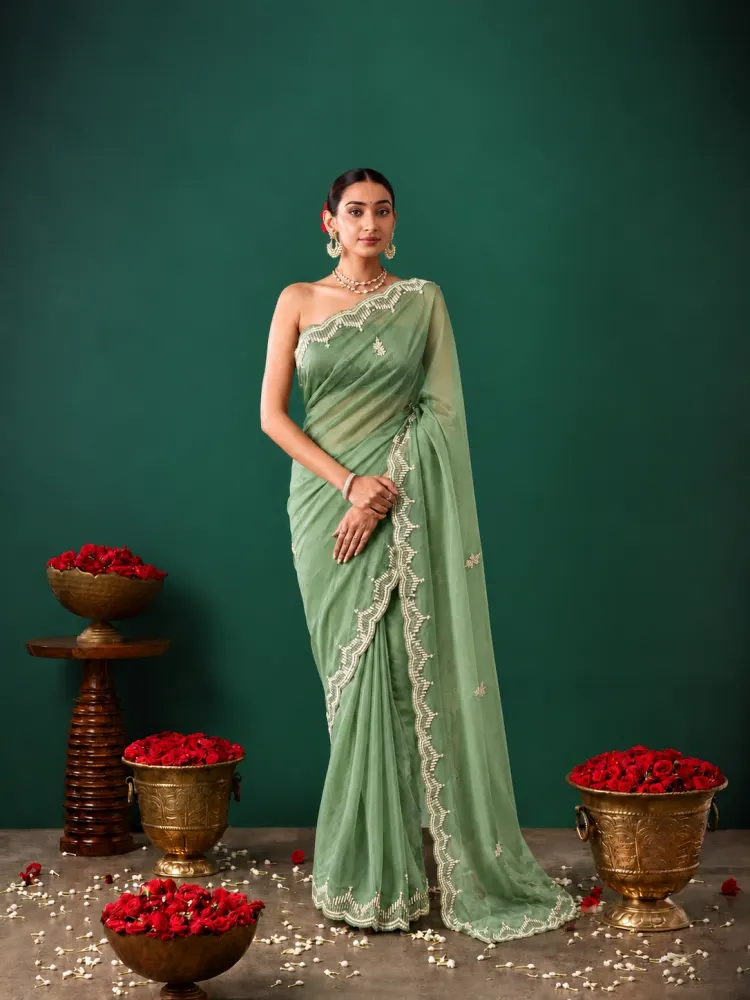
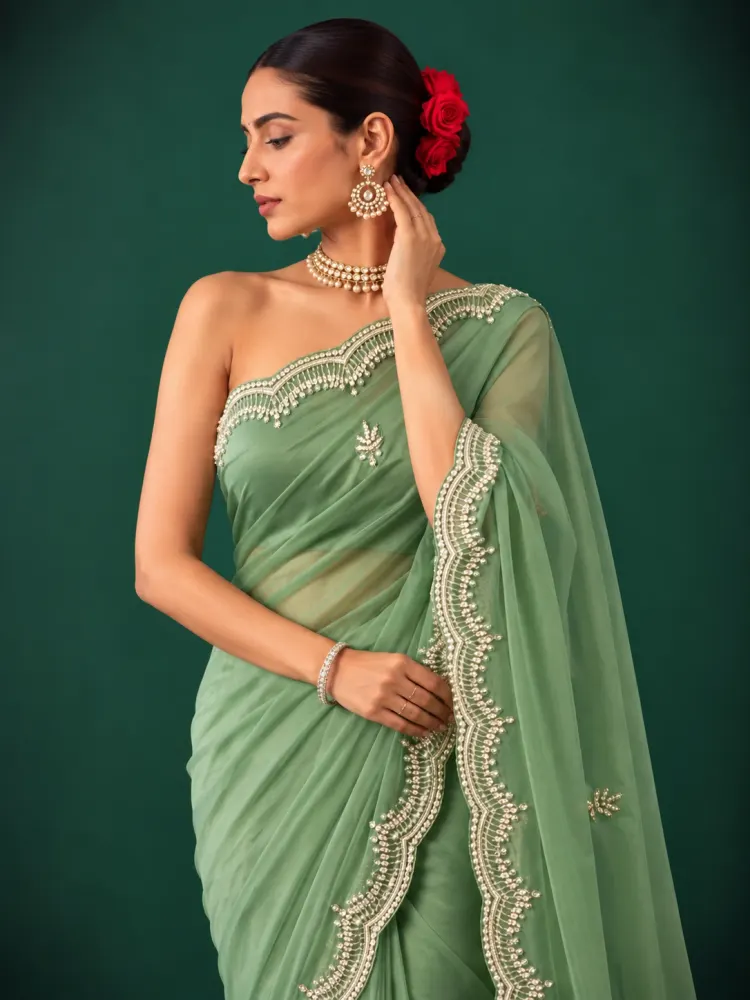
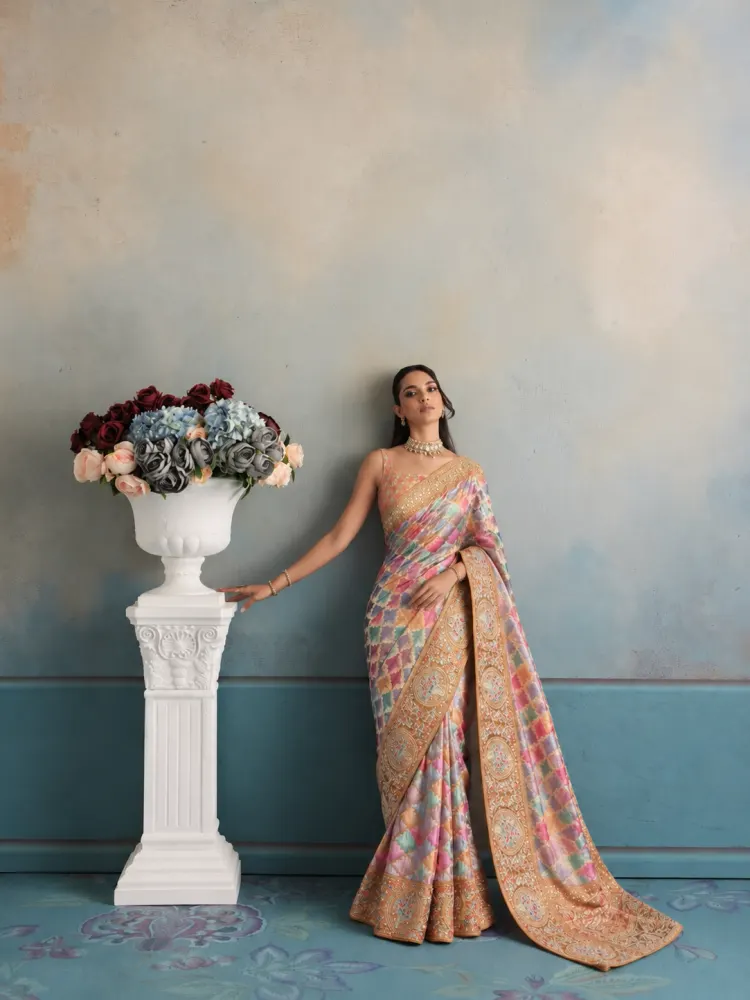
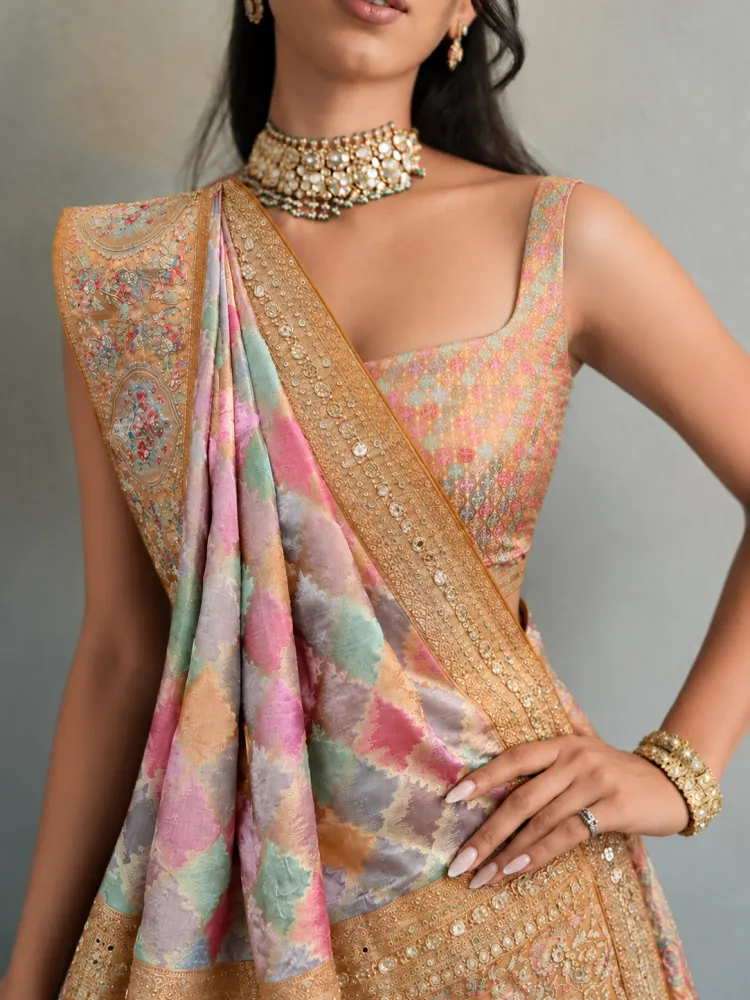
Tussar Silk Saree: Buy a Tussar Silk Saree Whose Fall Stays Where You Put It
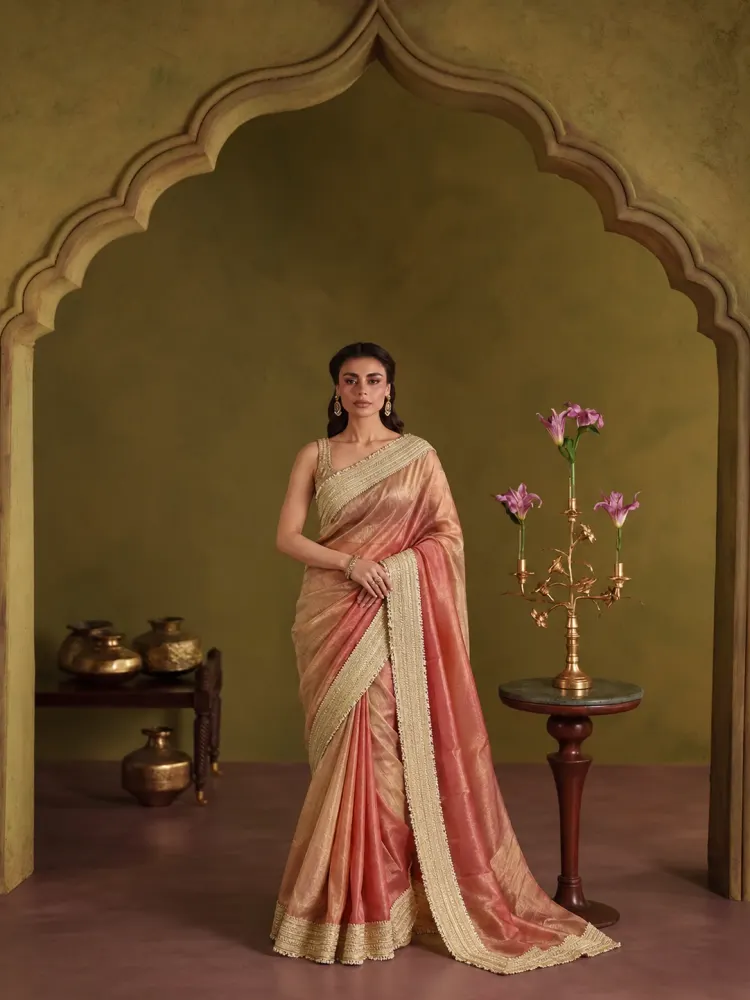
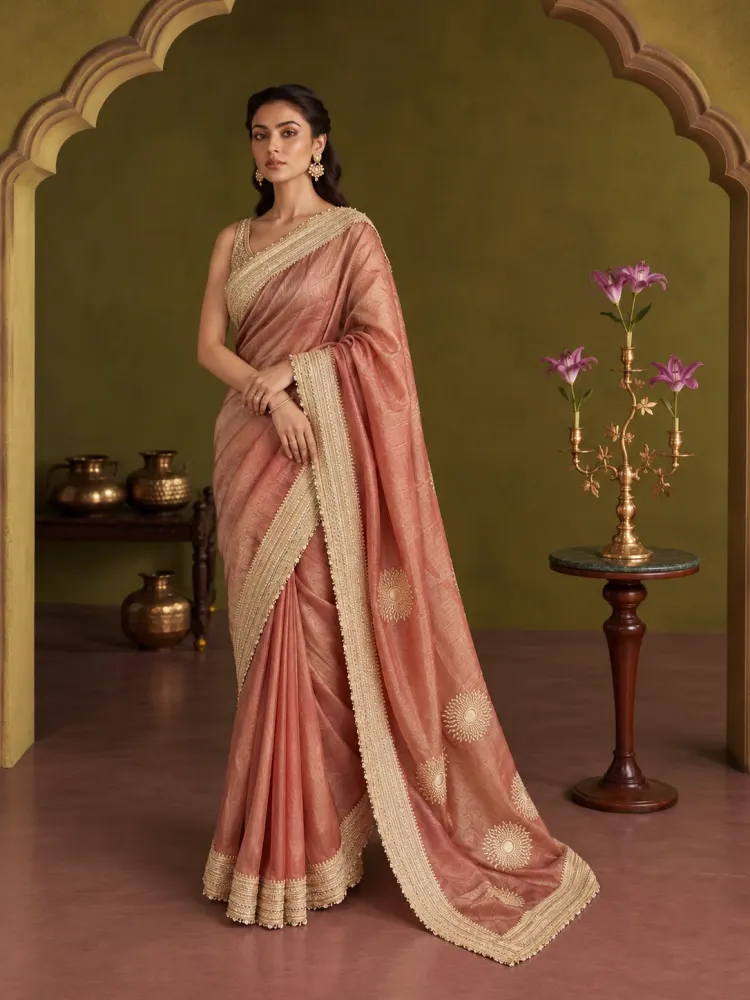
Cloth tells you how it will behave the moment you lift it. Tussar has a little stiffness in the hand, and that stiffness is the whole reason the drape works.
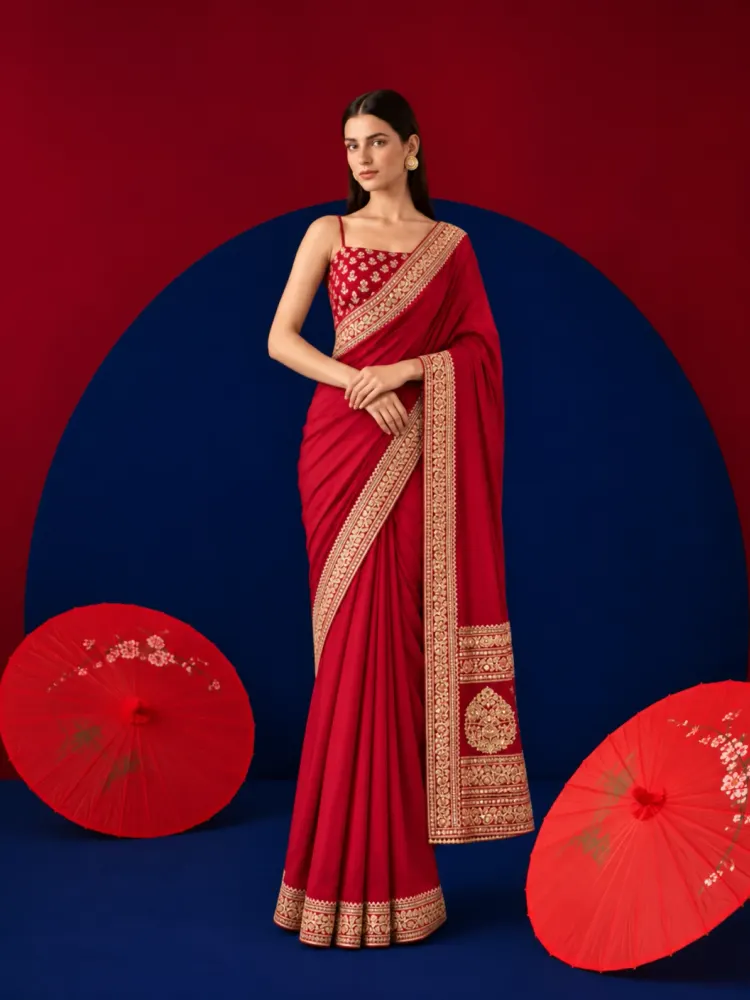
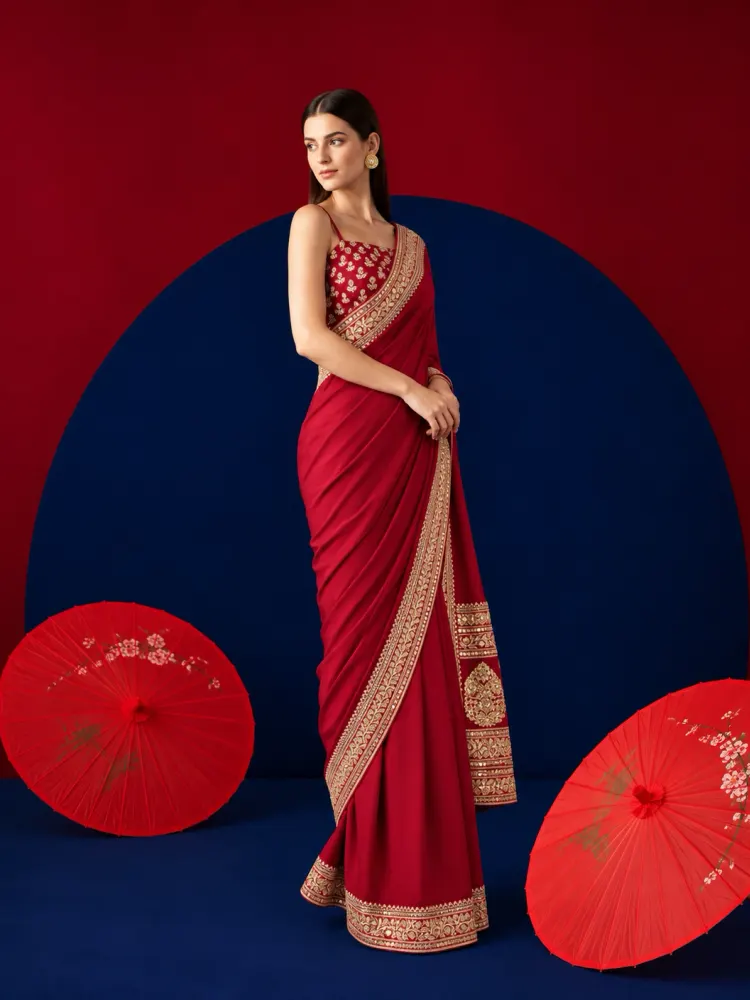
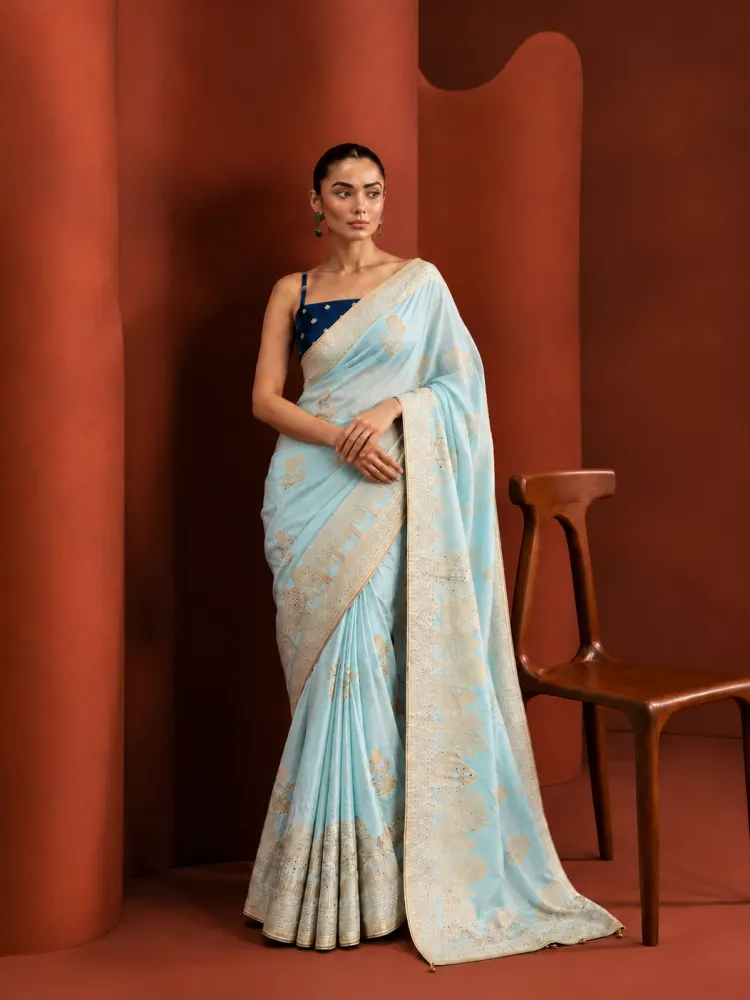
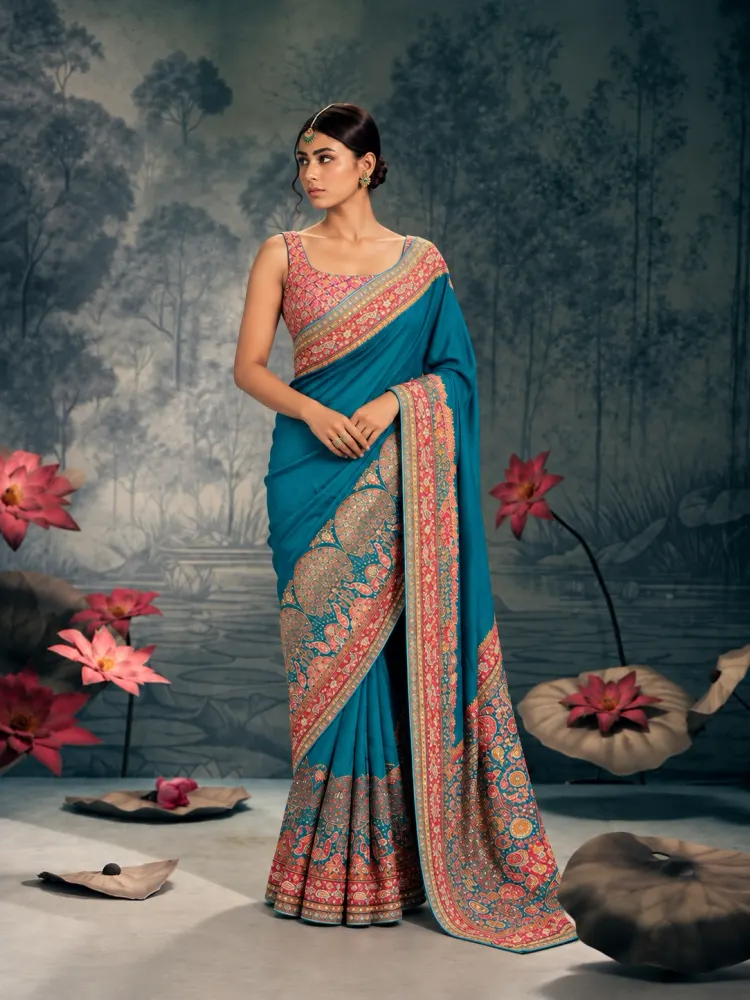
It does not pour. It steps down the body in a straight line, holding the pleat you set and keeping the pallu where it landed.
That makes this drape unusually easy to wear for anyone who dislikes adjusting a saree all evening.
We keep the collection between ₹3,490 and ₹13,490, in natural tones and a few deep dyes.
Where the Yarn Comes From
Tussar is reeled from wild silkworms rather than farmed mulberry. The fibers are shorter, which gives the surface its faint grain and its matte finish.
Nothing about that is a defect. The texture is the point, and it is why the cloth reads older than its years.
The yarn takes dye unevenly, which is why two pieces in the same shade never look identical.
How the Fall Behaves
Weight sits in the middle: heavier than chiffon, lighter than a temple border Kanjivaram. The pallu drops without billowing, and the pleats stay crisp through a long evening.
On a humid day the cloth relaxes a little, so set the pleats slightly tighter than you would with silk.
The Colour of the Yarn
Undyed tussar is honey, sand or pale grey, and those natural shades need no help. Dyed pieces take deep colour well, especially green, maroon and ink.
Hold a swatch near your face in daylight; the gold undertone flatters warm skin more than cool.
Deep dyes hide a mark better than pale ones, which matters if the saree will travel.
Blouses, Metal and One Earring
A matte blouse keeps the focus on the texture of a tussar silk saree. Cotton for day, raw silk for evening, and silver jewellery rather than gold if the saree is already warm.
Keep the belt thin or skip it. The cloth has enough structure without one.
A small earring is enough when the border already has shine.
Reading the Price Upward
Most buyers land in the middle, where the cloth is dense and the border is still restrained.
Hand Washing and Flat Storage
Wash by hand in cool water with a mild soap, or give it to a dry cleaner if the border is worked. Skip the wringing; press the water out inside a towel.
Press on the reverse with a warm iron, and store folded in cotton rather than hung, which stretches the pallu.
A note from our studio
The yarn decides the fall here, not the border. I drop a corner from my hand and watch it land, because silk tussar should settle in a soft column instead of flaring out. A family that reels its own silk weaves for us, and the yarn is dyed in the skein so colour goes right through. Dry silk holds a fold but can crack along it, so the cloth is aired and folded over a curve before packing. Twist in the weft is what resists a hard crease. Press yours between both palms and let go. A line that stays means store it rolled. I have kept one that way for years with no mark. I am Monica Bhardwaj Gulati, and I would show you the crease in mine before you buy.
Frequently Asked Questions
Does the stiffness go away after a few wears?
It softens at the folds first, then across the body. The change is gradual and the drape keeps its shape.
Will it feel heavy across the shoulders for six hours?
The weight is balanced, so it sits rather than drags. A wide border adds more than the body does.
Can I iron it at home without a press cloth?
Use a thin cotton cloth between the iron and the silk. Direct heat leaves a shine that does not come out.
Does the natural gold tone suit cool skin?
It can, if the piece leans grey rather than yellow. Try it against the wrist before you commit.
Should the saree hang or lie flat between wears?
Lie it flat for anything longer than a week. A hanger is fine overnight, but the pallu will stretch if the weight sits on one point.
Is a tussar silk saree a good first silk?
Yes, because it hides a crease and needs less care than a glossy weave. Start with a mid tone and you will wear it often.