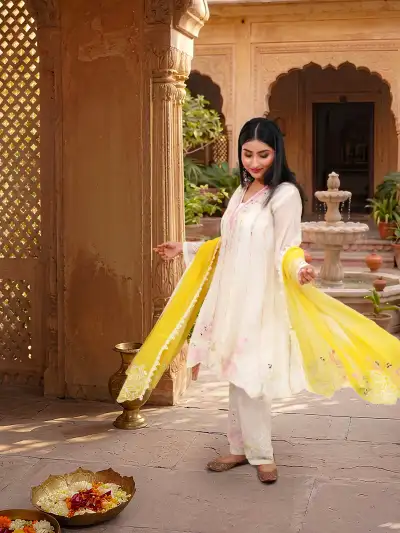
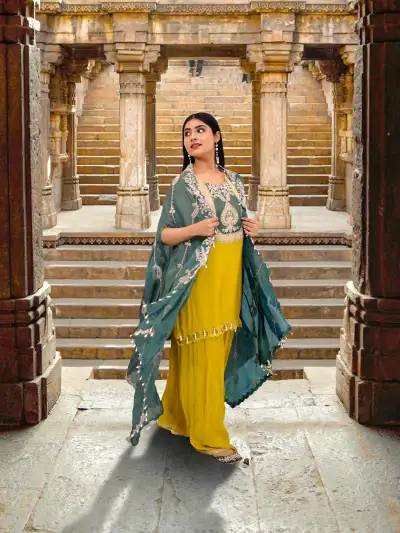
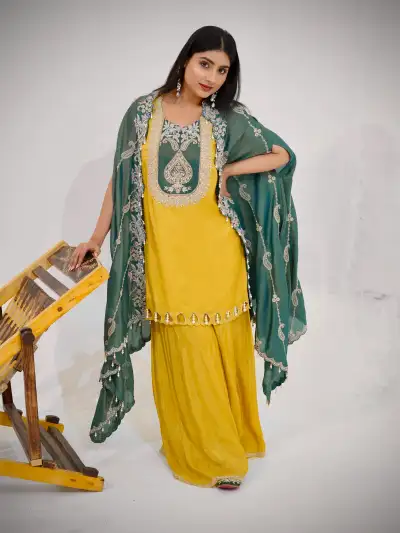
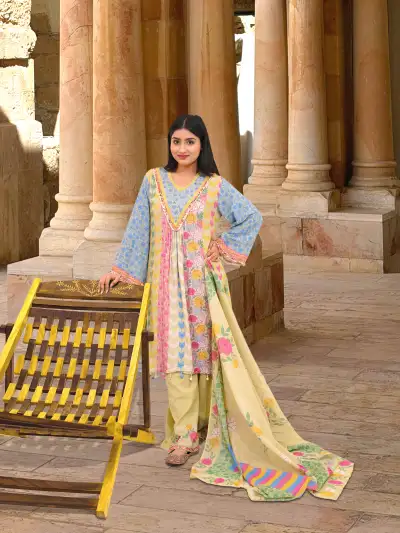
ELEGANT DESIGNER DUPATTA
₹2,499
Out Of Stock

TRADITIONAL SILK DUPATTA
₹1,999
Out Of Stock

PREMIUM WEDDING DUPATTA
₹3,999
Out Of Stock

CLASSIC PARTY WEAR DUPATTA
₹2,799
Out Of Stock
Perfect picks to pair with your dream outfit
Perfect picks to pair with your dream outfit
Perfect picks to pair with your dream outfit
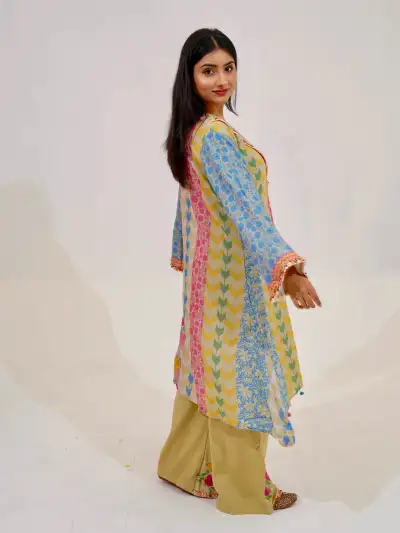
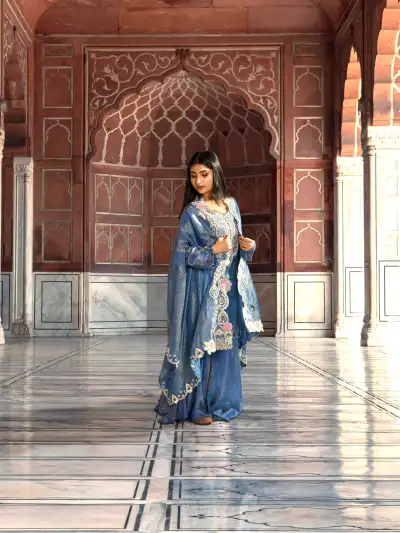
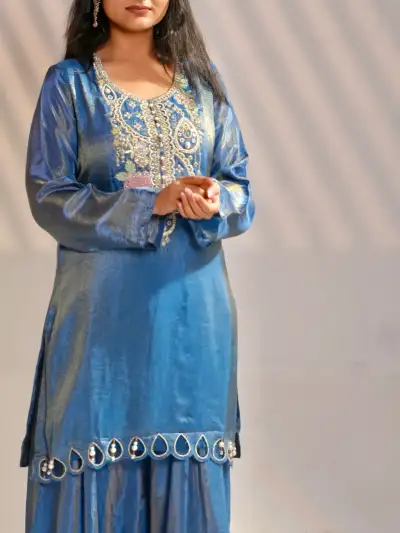
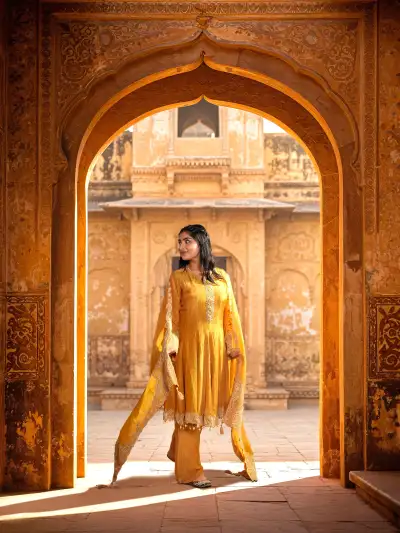
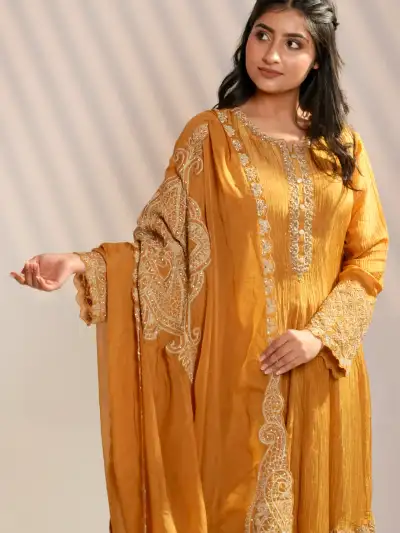
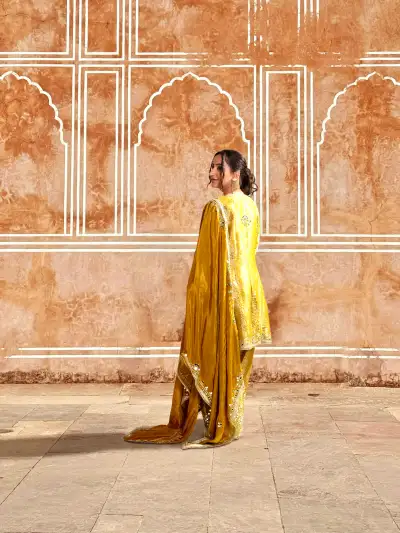
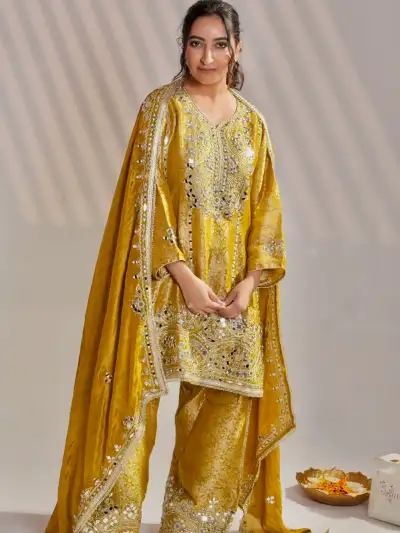
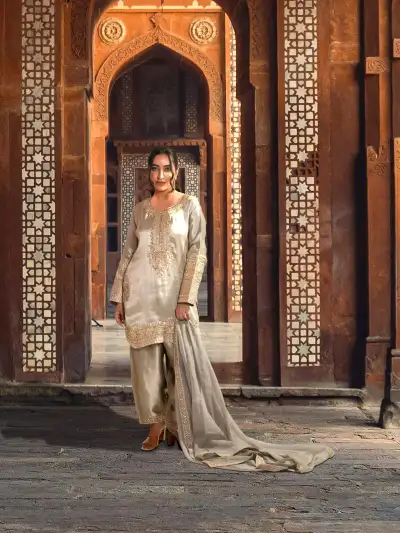
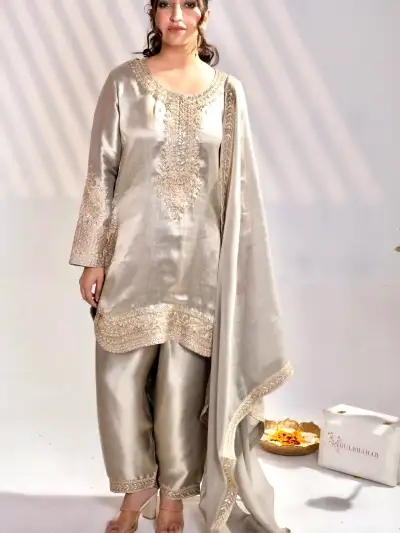
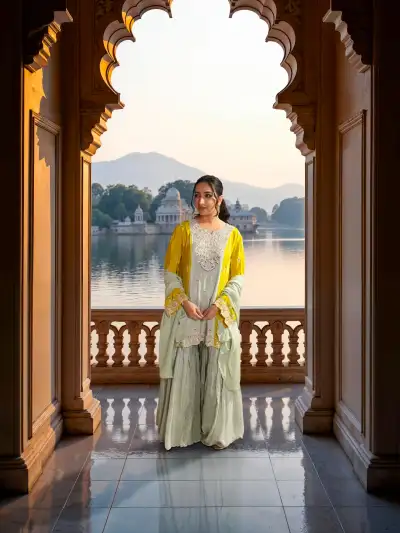
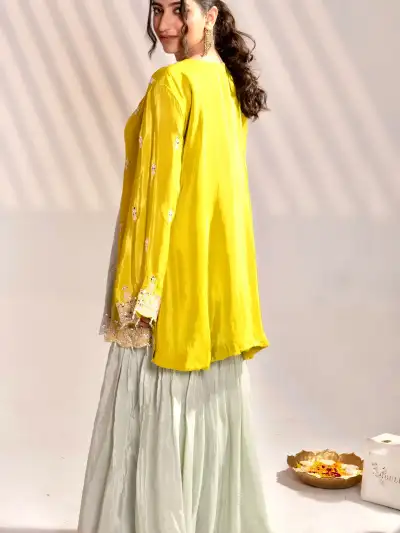
The simple kurti with heavy dupatta is more than just a piece of clothing; it's an invitation into Gulbhahar’s tradition of premium hand-done Indian wear. Crafted from finely textured fabric, this look offers a seamless blend of modern simplicity and classic refinement. The dupatta itself, richly embellished with hand-sewn beads and sequins, adds a dramatic touch to the otherwise understated kurti.
Each piece in Gulbhahar’s collection carries the signature mark of exceptional workmanship, and our simple kurti with heavy dupatta is no exception. The fragile work on the dupatta is a crafted with love, showcasing the skill of handworkers who carefully create each design by hand. This ensures that not only is every stitch precise but also imbued with the soulful spirit of tradition.
This outfit combination is all-purpose enough to fit into different occasions. From serene wedding festivities where elegance meets comfort to luxurious social events demanding an air of regal charm, the simple kurti with heavy dupatta stands out without overpowering. It's a favorite choice among women who appreciate understated luxury and desire to look effortlessly chic.
The special styling details in this simple kurti with heavy dupatta set it apart from other pieces. The gentle embroidery on the kurti draws attention to its simplicity, while the heavily finished dupatta provides a contrasting layer of royal. Its design is perfect for pairing with minimalist accessories like gold bangles or a sleek pearl necklace to boost the all in all look.
In essence, our simple kurti with heavy dupatta encapsulates Gulbhahar’s promise of quality and tradition. It’s more than an outfit—it's an experience that connects you deeply to cultural values while celebrating modern grace.
For a bride seeking understated sophistication, pair your simple kurti with our Red Heavy Dupatta For Bride. The rich red hue complements traditional wedding attire while the heavy work on the dupatta adds a touch of opulence. Complete the look with minimalistic jhumkas and a delicate maang tikka for an elegant finish.
Perfect for a wedding reception, opt for our Plain Suit With Heavy Dupatta Buy Online to stand out without overpowering the bride. The subtle kurti lets the intricate work on the dupatta take center stage, making it a standout choice for evening events. Add some shimmer with gold bangles and a sleek clutch.
Elevate your festival wear by choosing our Heavy Work Dupatta Online to pair with your simple kurti. The intricate embroidery and vibrant colours of the dupatta will complement any traditional outfit, adding a festive touch. To complete this look, add chunky earrings and matching anklets.
For those who love a blend of tradition and modernity, try our Bandhani Saree Heavy Work paired with your simple kurti. The contrast between the intricate bandhani work on the dupatta and the clean lines of the kurti creates a striking visual effect. Pair this look with a classic bindi and jhumkas for an authentic Indian touch.
When attending a wedding as a guest, opt for our Heavy Lehenga Choli For Wedding paired with your simple kurti. The heavy dupatta adds depth and texture to the ensemble, making it perfect for evening weddings or sangeet events. Add a statement necklace and matching earrings to enhance the look.
For an office setting where you want to blend professionalism with traditional flair, our Heavy Gota Patti Suits Online are a great choice. The simple kurti keeps the outfit understated and professional, while the gota patti work on the dupatta adds an elegant touch of Indian craftsmanship. Complete your look with classic heels and minimal jewellery for a polished appearance.
Gulbhahar's 'simple kurti with heavy dupatta' is a sign to the unbroken chain of artisanship that has been passed down through generations. Each stitch, each bead, bears the imprint of centuries-old techniques refined by skilled hands, echoing the rich cloth of India's textile culture.
This outfit combination is not just an outfit; it's a cultural canvas that adorns women across many occasions - from the hues of Holi to the shining glow of Diwali, from the joyous chaos of weddings to the serene solemnity of religious ceremonies. It's a silent participant in our rich weave of festivals and traditions.
The 'simple kurti with heavy dupatta' features feminine grace and modesty, making it an showcase of old elegance. The kurti's simplicity allows the detailed embroidery of the dupatta to take center stage, while the dupatta itself, when draped artfully, adds a touch of regal majesty to any occasion.
Gulbhahar's design past is evident in the fine motifs adorning this outfit. The kurti features 'Chand Tara' motifs, symbolizing the cosmic dance of stars and planets, while the dupatta bears the 'Phool Patti' pattern, representing the radiant beauty of flowers. Each motif tells a story of our rich cultural culture.
This 'simple kurti with heavy dupatta' is a bridge between generations. It honors the past while serving modern women, providing them with an graceful wardrobe option for both customary and current settings. Whether at family gatherings or professional events, it represents the spirit of ageless tradition.
The 'simple kurti with heavy dupatta' is a living symbol to India's cultural tradition. Its 'Bandhani' technique, originated from Rajasthan, tells a story of resilience and resourcefulness. The 'Zardozi' embroidery on the dupatta, hailing from Persia but now an intrinsic part of Indian textile history, signifies our country's inclusive culture.
Bandhani Technique
Rajasthani heritage
Zardozi Embroidery
Cultural inclusivity
From grandmothers to granddaughters, the 'simple kurti with heavy dupatta' has been a constant companion through generations. It's the outfit worn at family weddings, passed down as heirlooms, and revisited on special occasions. This look is not just an look; it's a bond that connects families across time.
Gulbhahar draws inspiration from the rich cultural roots of India, with each region contributing its different touch to our designs. The 'simple kurti with heavy dupatta' might characteristic 'Kantha' stitch from Bengal, or 'Phulkari' art from Punjab, or perhaps 'Ari' embroidery from Kashmir - a true celebration of regional diversity.
At Gulbhahar, our simple kurti with heavy dupatta is crafted to blend understated elegance with an grand accent. Featuring fine embroidery on the kurti and delicate beadwork adorning the dupatta, this set stands out as a thoughtful gift or a personal indulgence. Its flexible design makes it ideal for a variety of events from casual gatherings to formal celebrations.
For a family puja, drape the heavy dupatta gracefully over your shoulders and pin it at the back with an elegant brooch. This will not only maintain modesty but also showcase the intricate work on the dupatta. Complete the look with traditional jhumkas and a simple bindi to honor our cultural heritage.
The 'simple kurti with heavy dupatta' is perfect for festive occasions such as weddings, Diwali, and Navratri. The simplicity of the kurti allows you to focus on the elaborate embroidery and vibrant colors of the dupatta, making a statement that harmonizes with the joyous atmosphere of these celebrations.
The 'simple kurti with heavy dupatta' features intricate handwork like zari, gota patti, and mirrors, which are hallmarks of Indian craftsmanship. These designs often depict motifs such as peacocks, flowers, and paisleys, symbolizing prosperity and beauty. The artisan craftsmanship embodies the timeless elegance and modesty that our culture values deeply.