Filters
Size
Color
Season
Fabrics
Collections
Price
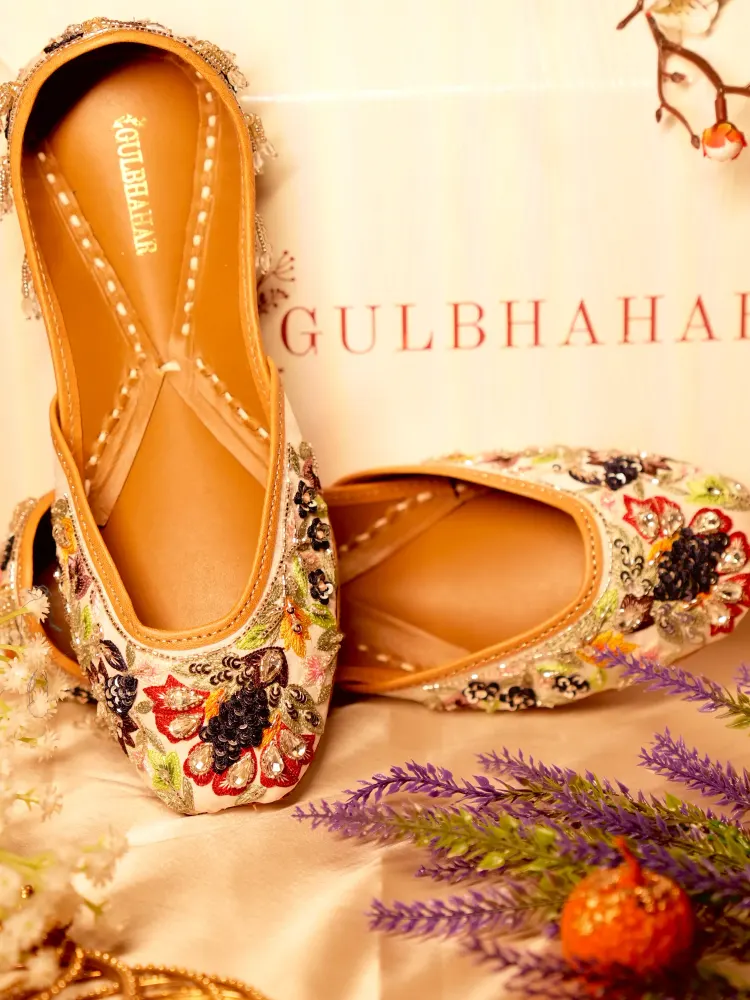
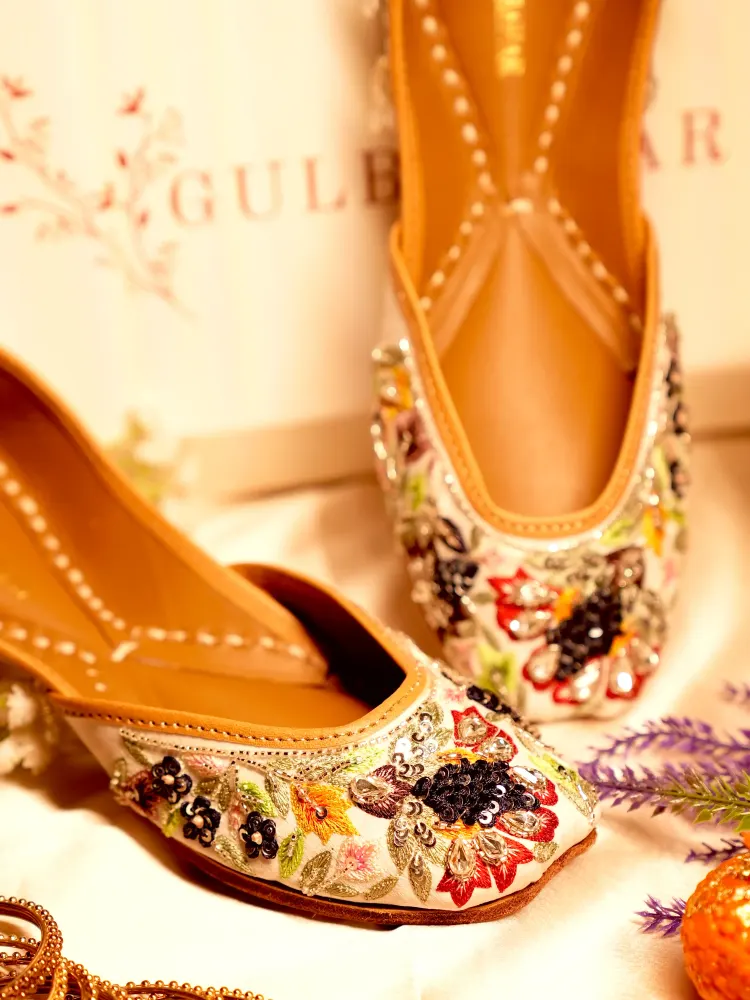
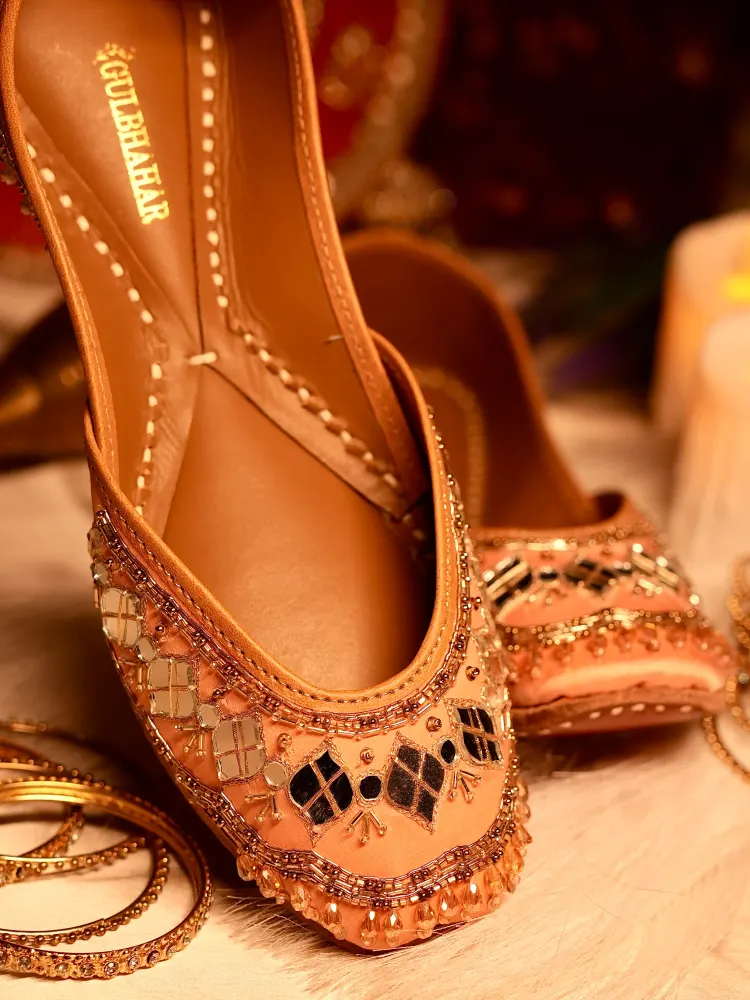
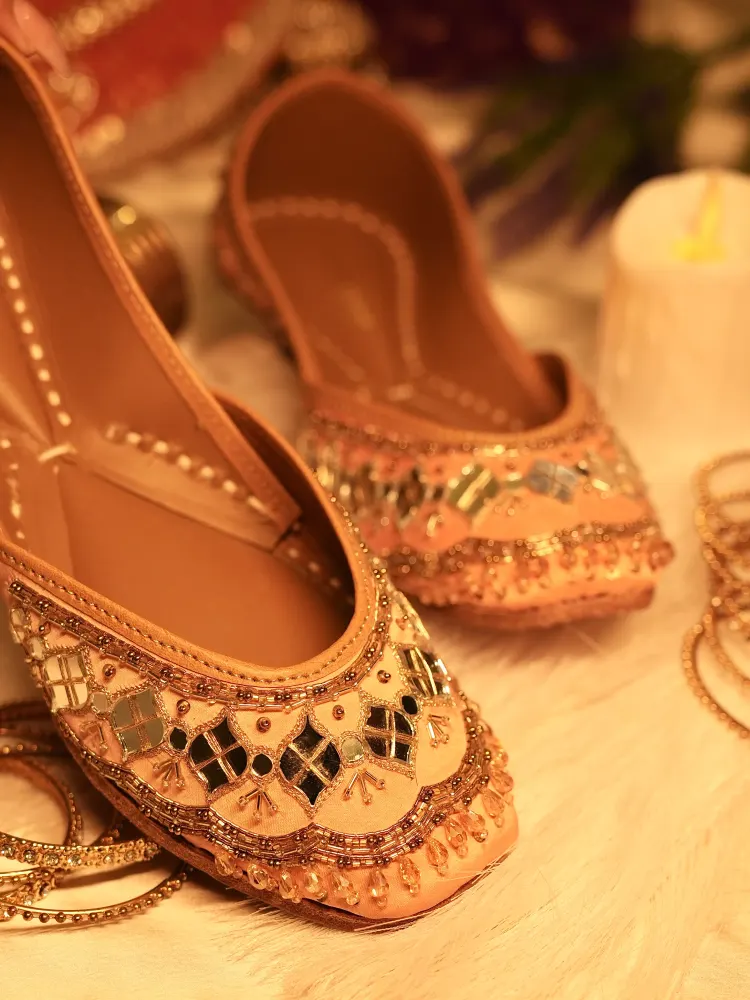
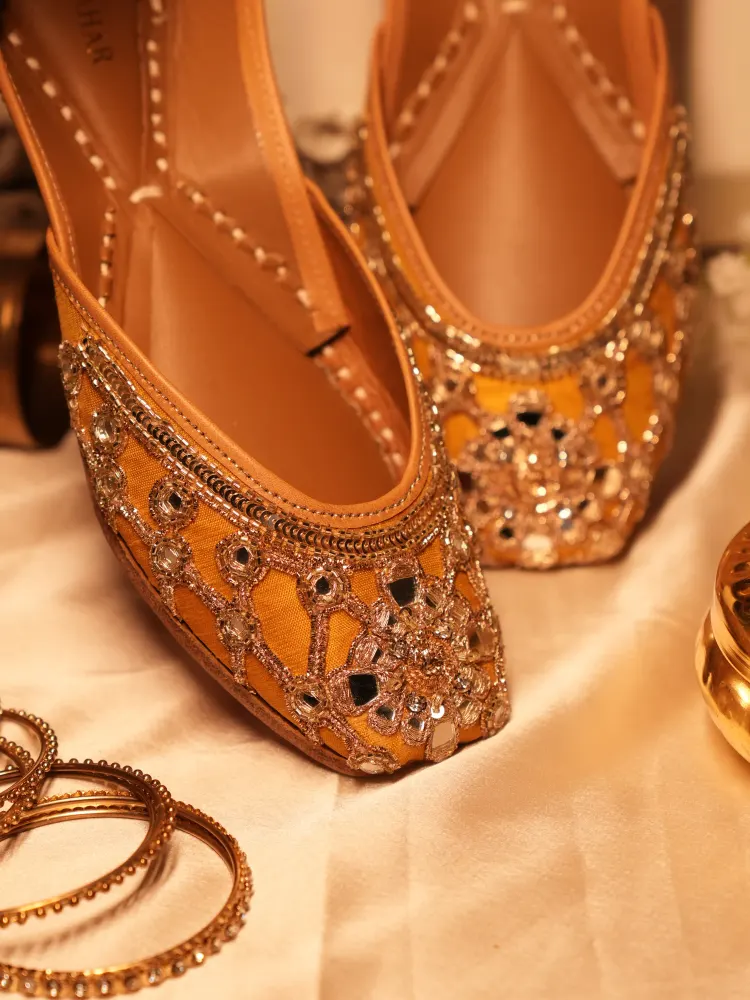
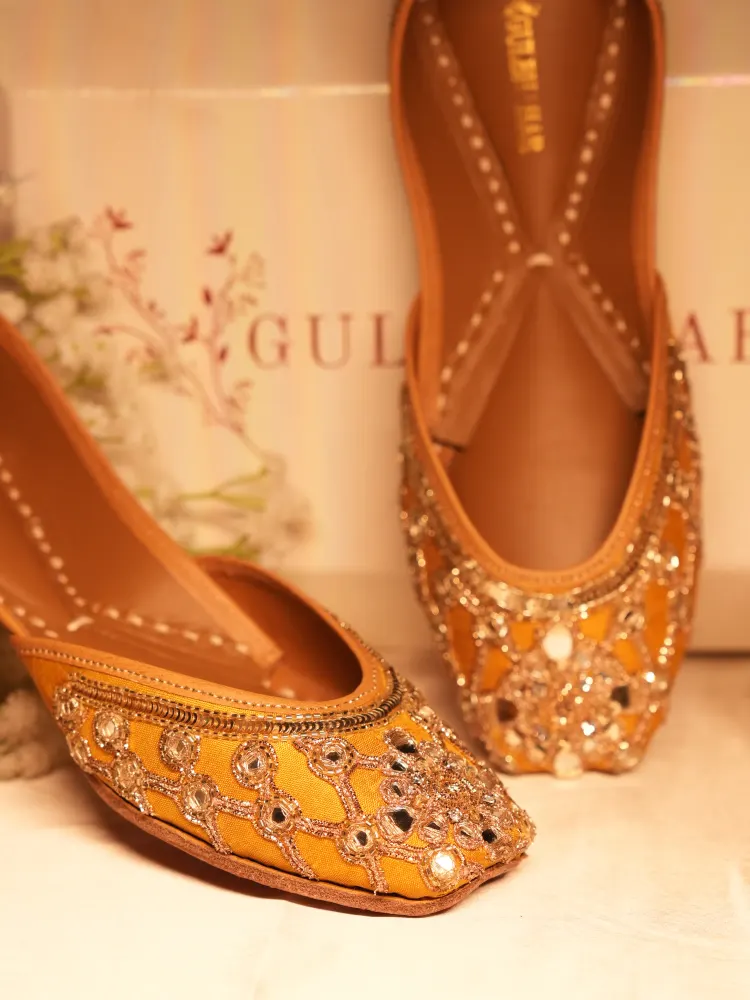
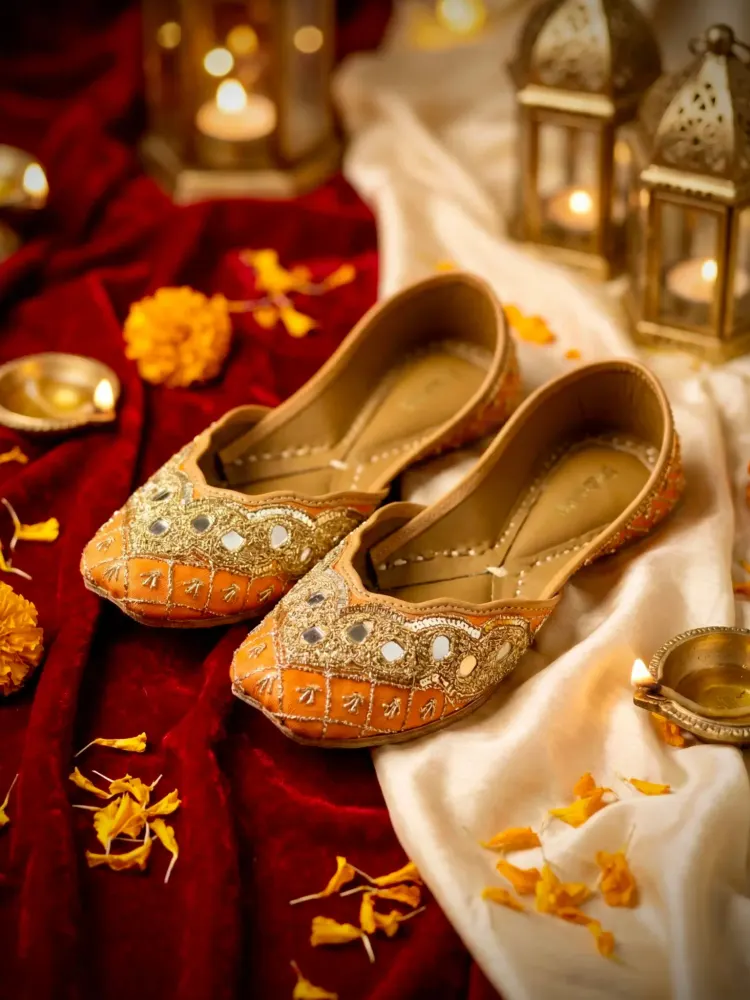
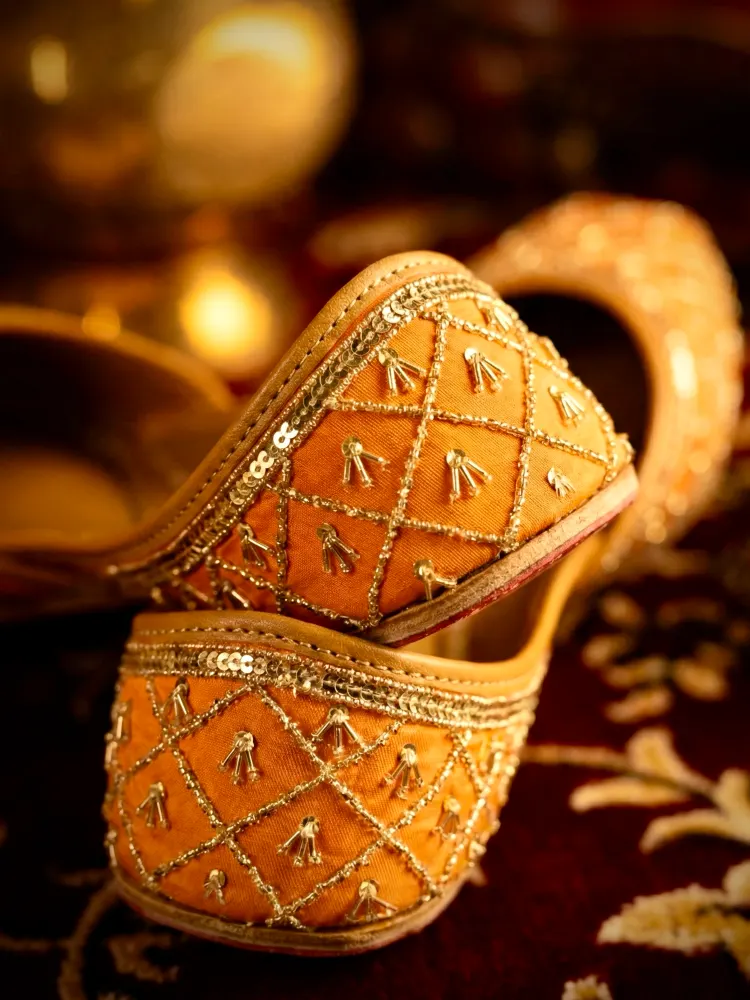
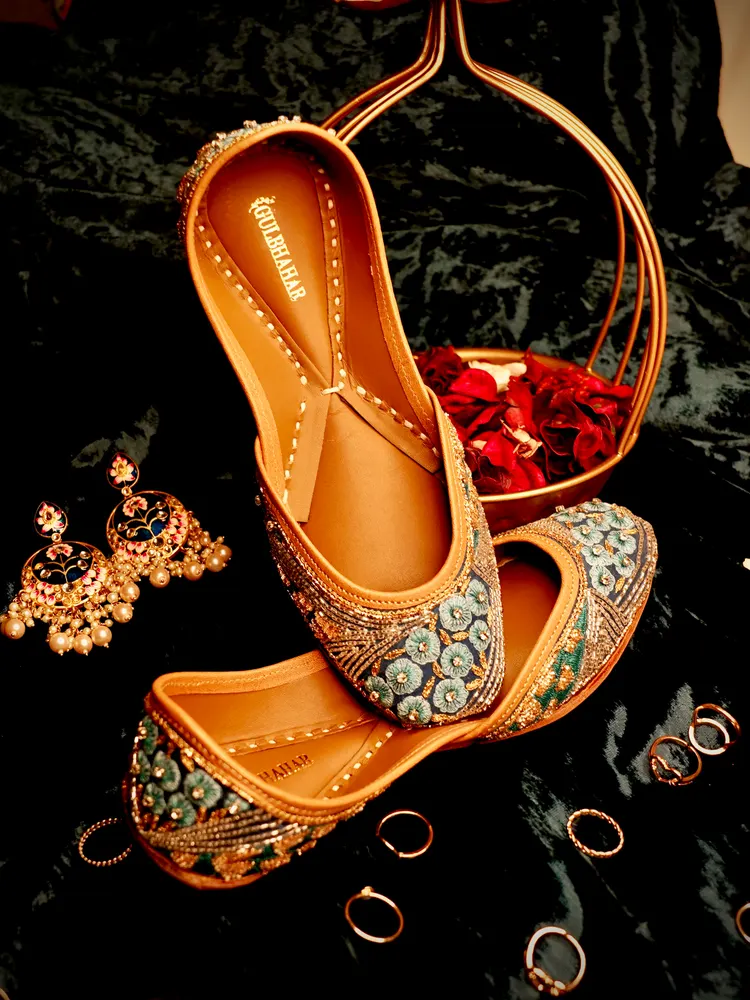
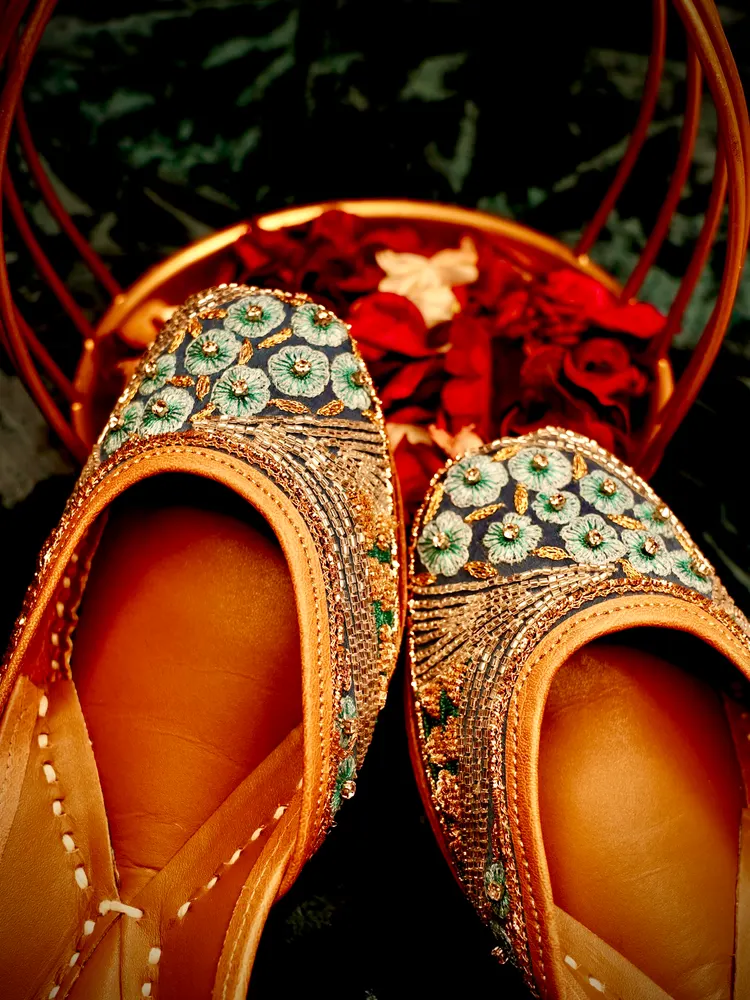
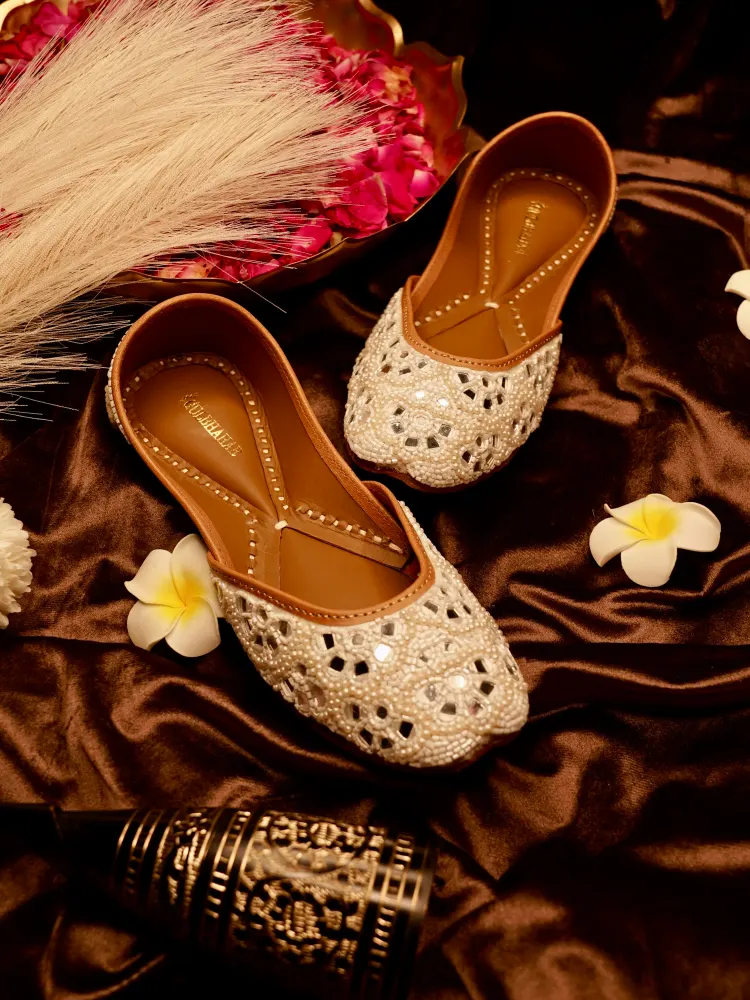
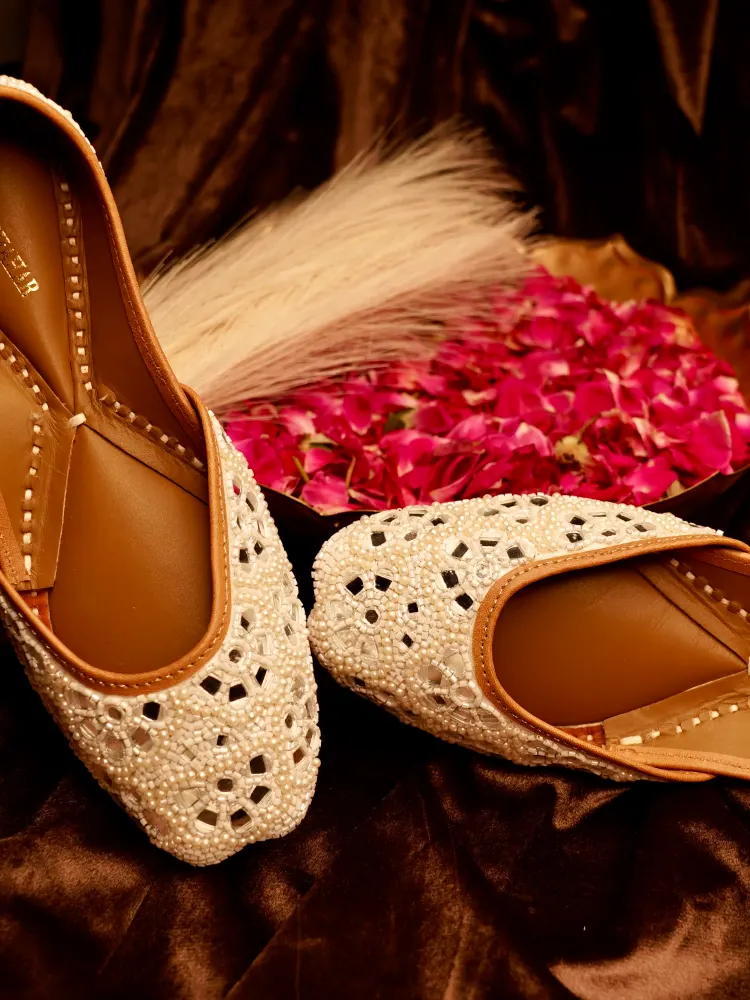
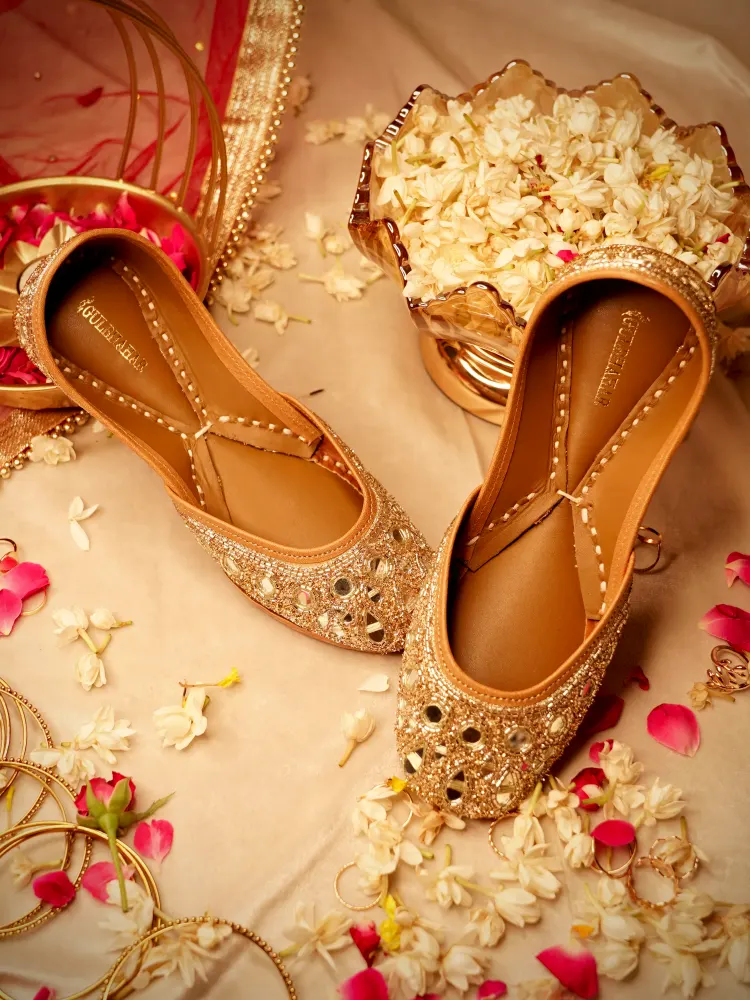
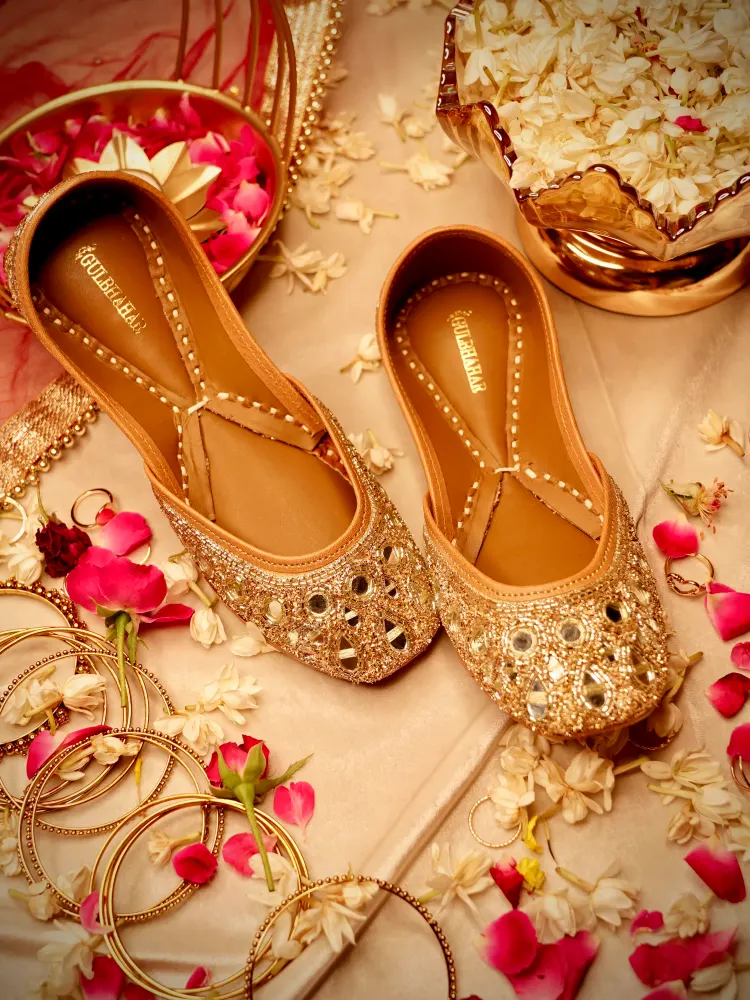
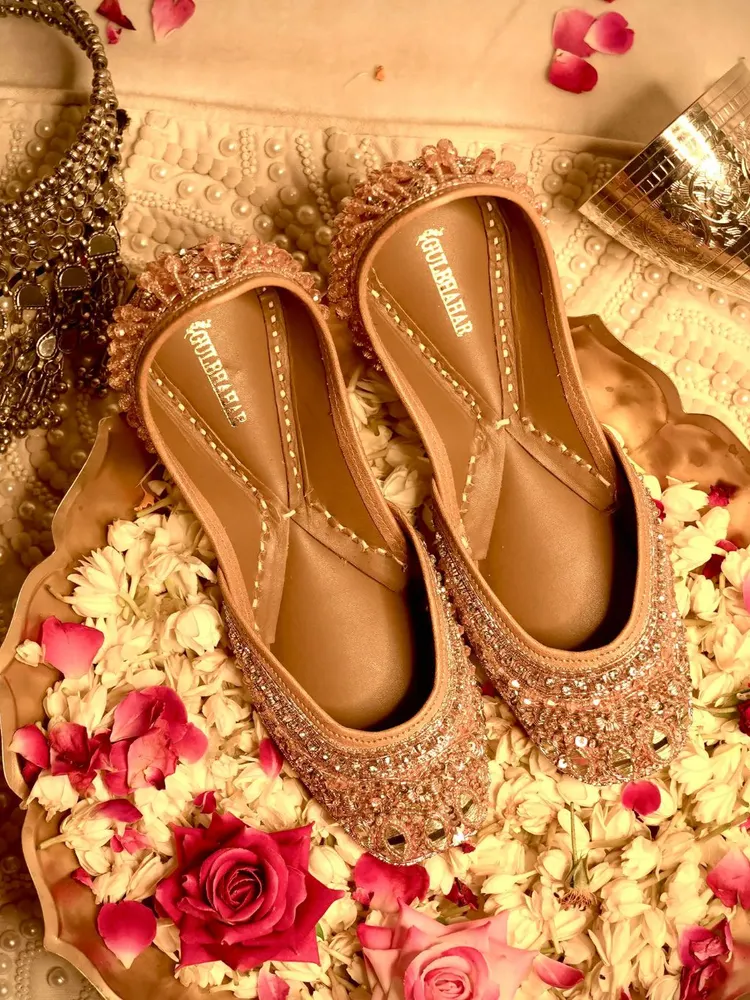
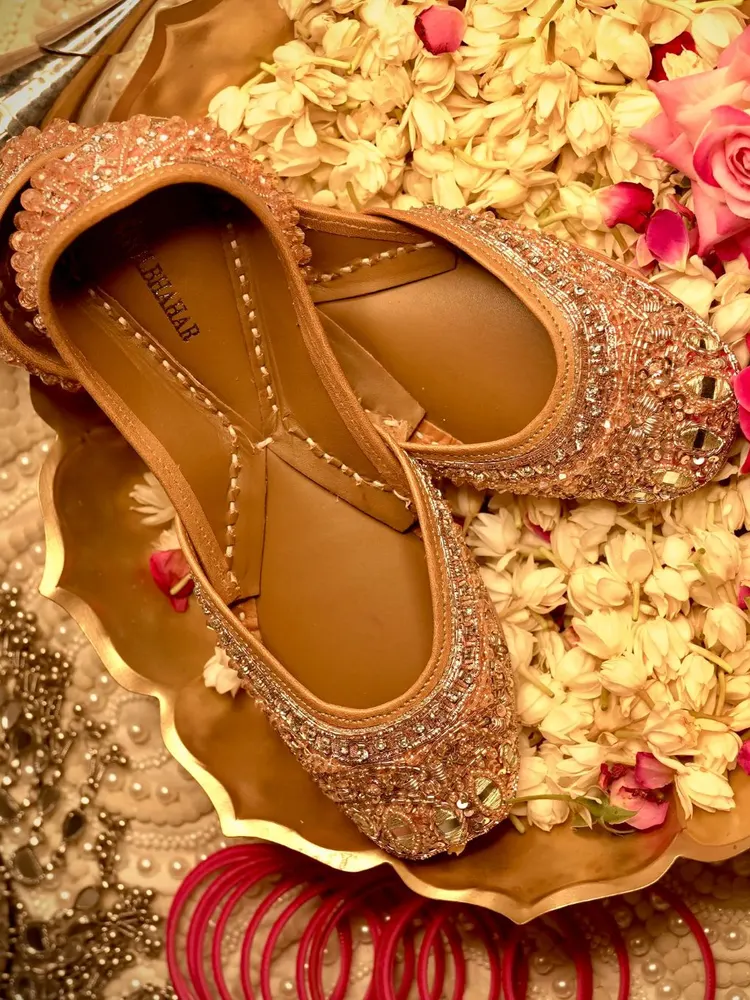
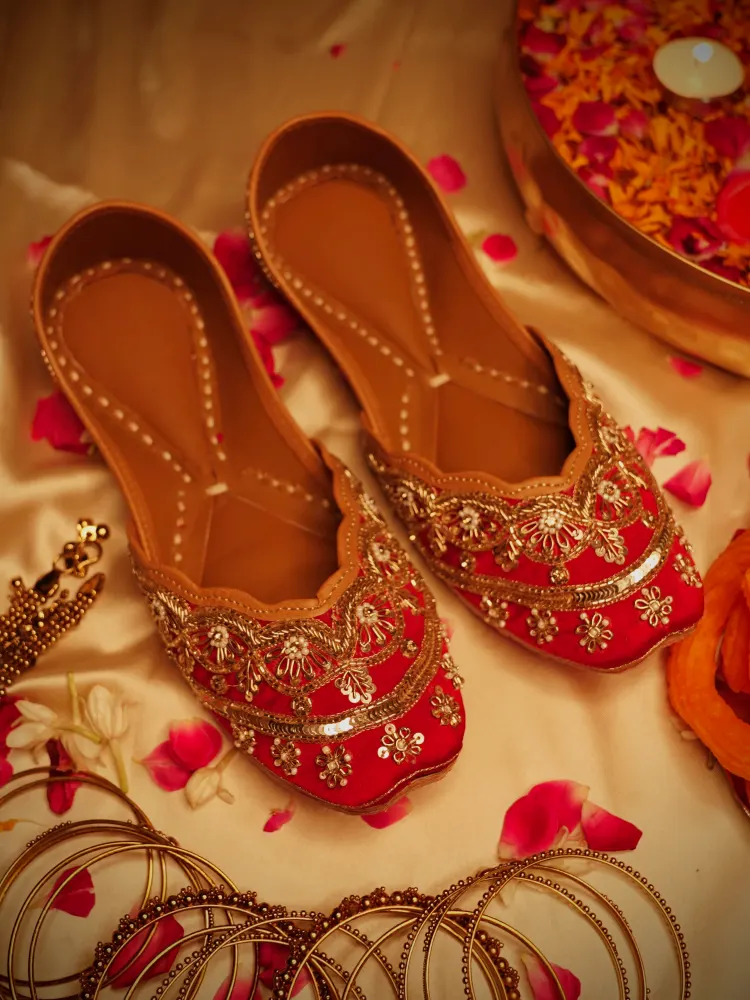
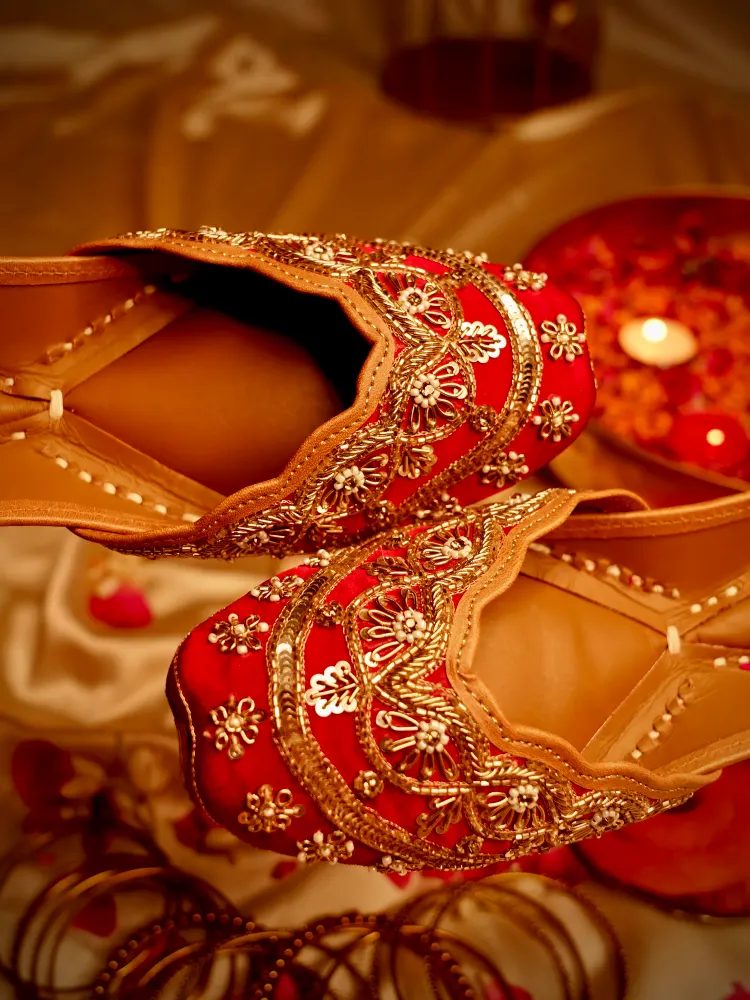
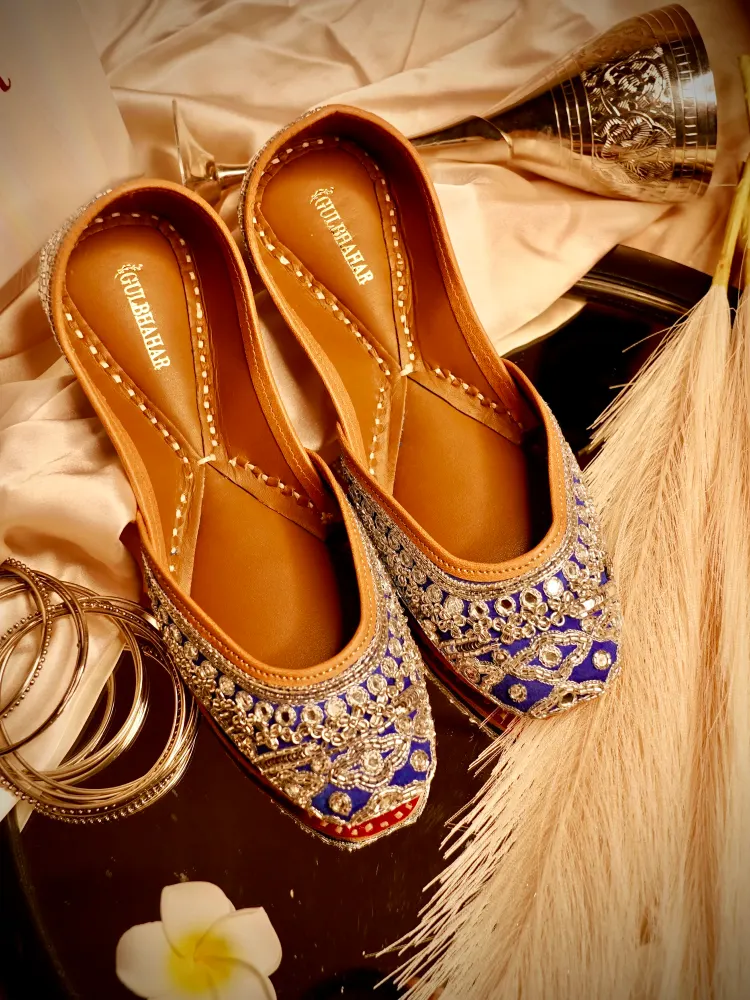
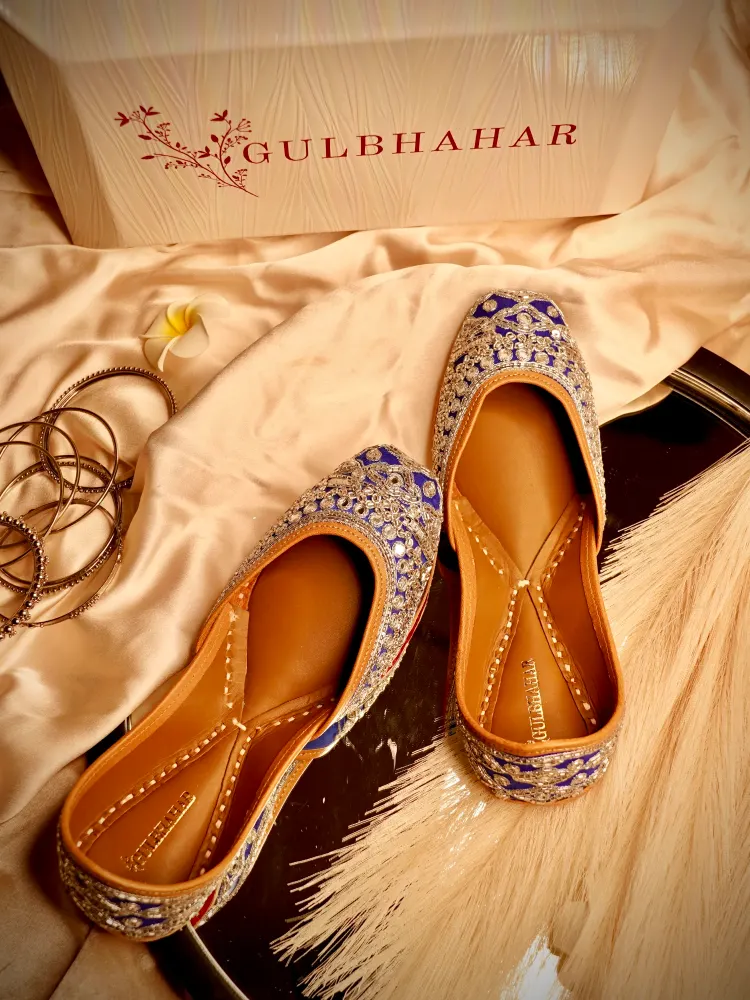
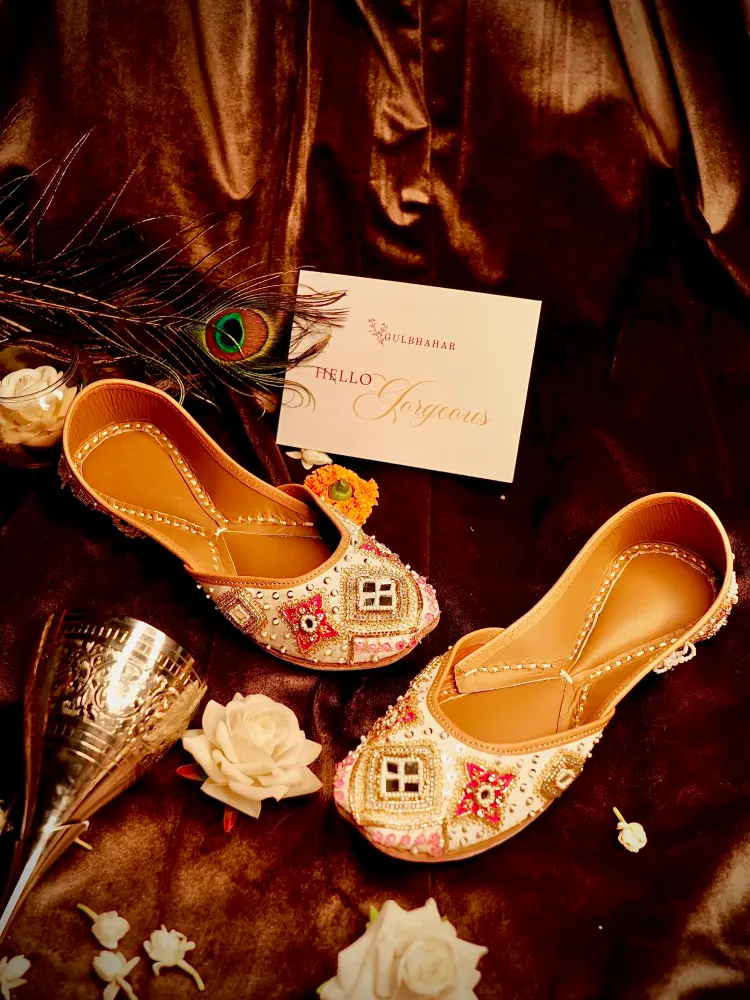
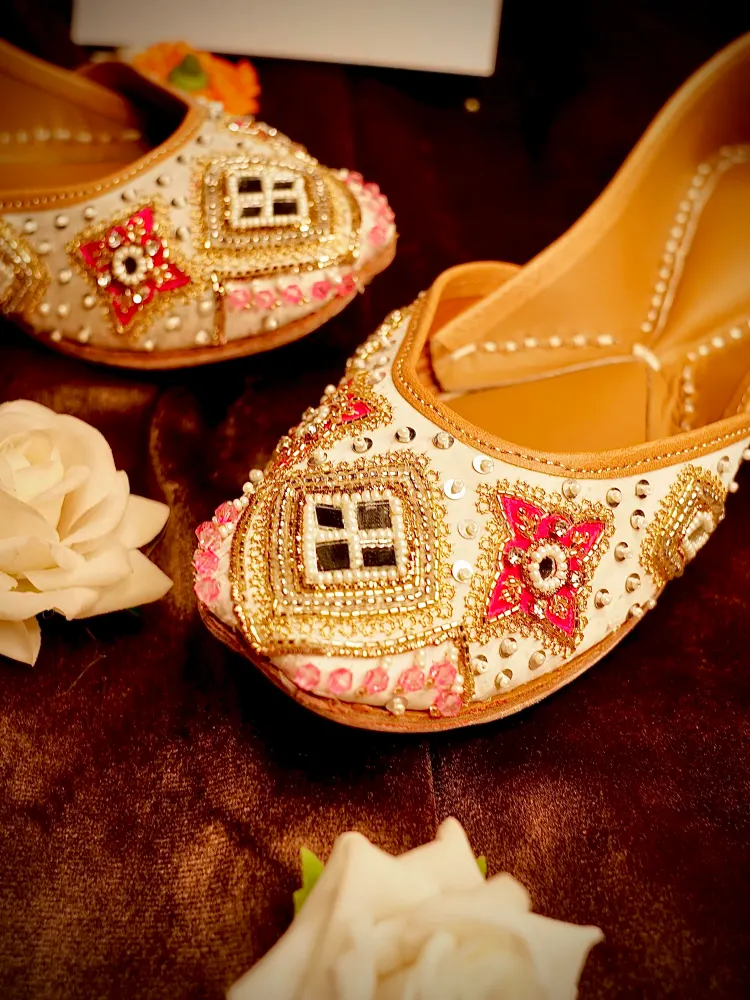
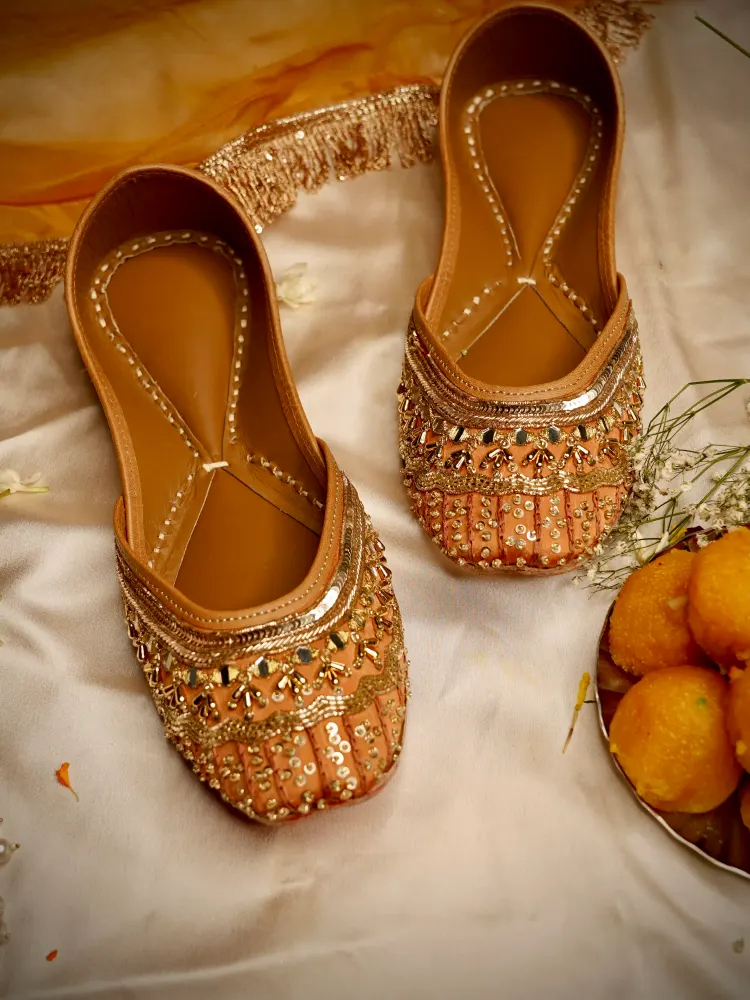
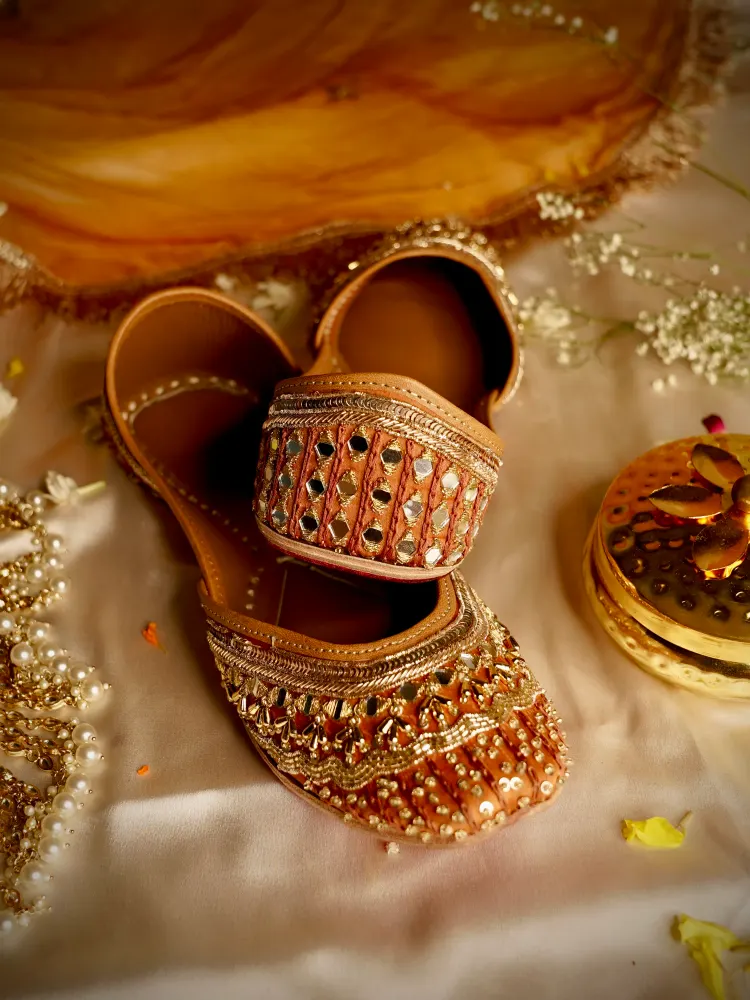
Buy Punjabi Juttis for Women by Gulbhahar
Read more ▼See less ▲
Step into timeless ethnic style with Gulbhahar Punjabi juttis, designed for women who love comfort, tradition, and elegant footwear. Our collection of juttis for women includes beautiful handmade, embroidered, bridal, leather, and designer styles that can be worn with shalwar kameez, kurtis, sarees, lehengas, ghararas, and fusion outfits.
Punjabi juttis are often recognised as an enduring symbol of sophistication in Indian footwear. With deep cultural significance, lavish patterns, and versatility, these handcrafted shoes remain a favourite of women across time. At Gulbhahar, our take on Punjabi Jutti for Ladies is to breathe new life into traditional attire while staying true to the traditional spirit. Gulbhahar has a pair to complete your look. Juttis are available in elegant bridal tones to bold designer colours. Every jutti is made to add charm without compromising comfort.
Explore beautiful styles like Rust Punjabi Jutti, Blue Leather Embroidered Jutti, Ivory Bridal Jutti, Gold Bridal Designer Jutti, and Mustard Yellow Designer Jutti. Find the perfect pair of Punjabi juttis online and complete your outfit with traditional beauty and everyday comfort.
Punjabi Juttis Online from Gulbhahar
They are elegant, comfortable, easy to style, and perfect for both casual and festive outfits. At Gulbhahar, our juttis collection is created for women who want ethnic footwear that looks beautiful, feels comfortable, and works with different outfits.
A pair of Punjabi Juttis can instantly complete your look. If you are wearing a simple kurti, a printed lawn suit, a festive embroidered dress, or a bridal outfit, the right jutti adds a graceful traditional touch. Unlike heels, Punjabi juttis are flat and easier to wear for long hours, making them a smart choice for weddings, family events, office wear, university, and everyday outings.
If you are looking to buy Punjabi juttis online, Gulbhahar offers a stylish range of designs for different occasions. Our collection includes bridal juttis, designer juttis, embroidered juttis, leather juttis, festive juttis, and comfortable daily wear juttis for women.
Why Punjabi Juttis Are Perfect for Women
Details: Mehreen: Let the pure white of Mehreen add a touch of romance and poise to your wardrobe. Firoza: Inspired by tones of turquoise and light floral embroidery, embodies sophistication with distinction. Ada: Ada combines appliqué of rani pink, mirror work and pearl accents that add a touch of brilliance.
The beauty of Punjabi juttis for women is that they combine style and comfort in one pair. They are traditional enough for ethnic outfits but versatile enough to be worn with modern fusion looks. You can style them with shalwar kameez, jeans, kurtis, long ethic dresses, sarees, lehengas, ghararas, shararas, and even casual western outfits. Punjabi Jutti for Ladies are versatile for any time. From festive occasions and weddings to casual social engagements and beyond, they are just as comfortable to wear as they are stylish.
For women who want footwear that is easy to wear but still looks elegant, Punjabi juttis are a perfect choice. They become their own accessory and complete any look. Punjabi juttis are often recognised as an enduring symbol of sophistication in Indian footwear.
A good pair of handmade or embroidered Punjabi juttis can also be used again and again with different outfits. Neutral shades like ivory, gold, beige, rust, and brown can match many dresses, while brighter colors like mustard yellow or blue can make your outfit stand out.
Bridal and Wedding Punjabi Juttis
They give you a traditional, graceful look while keeping your feet comfortable throughout the event. If you are attending a mehndi, dholki, engagement, nikkah, baraat, walima, or festive dinner, wedding juttis can complete your outfit in a soft and elegant way.
Bridal Juttis look especially beautiful with lehengas, ghararas, shararas, sarees, and all bridal looks. Buy Suits Online. Gulbhahar creates juttis that can accentuate traditional looks. Gold and ivory tones are perfect for bridal and formal outfits.
If you want comfort without losing elegance, Gulbhahar’s bridal and designer Punjabi juttis are a perfect choice. They allow you to enjoy long events without the discomfort that often comes with high heels.
Embroidered and Designer Punjabi Juttis
Details: Artistry: Handcrafted with artistic precision Authenticity: True to heritage and tradition Story: Each pair carries history
Embroidered juttis are loved because of their detailed traditional look. Thread work, floral patterns, ethnic motifs, leather finishing, beads, sequins, and handcrafted details make every pair feel special. Embroidered Punjabi juttis are ideal for women who love footwear with personality and cultural charm.
Designer Punjabi juttis are also perfect for modern ethnic styling. They can make a simple outfit look more stylish and complete. A bold pair can add color to a plain dress, while a soft bridal pair can balance a heavily embroidered outfit.
At Gulbhahar, our designs are made for women who want something stylish but still wearable. One of the great things about Punjabi Jutti for Ladies is that there is a multitude of designs!
How to Style Punjabi Juttis
For a simple everyday look, wear them with a printed lawn suit or kurti. Our beautiful juttis are designed to be the perfect companion for the most glamorous occasions in your life.
You can style your juttis in a way that relates to your clothing, where a red dupatta, yellow accessories, or blues would tie in. You can pair your gold and yellows with traditional gold jewellery. If your outfit has heavy embroidery, choose a softer jutti to balance the look. If your outfit is plain, choose a designer or embroidered jutti to add detail. Rust, ivory, gold, blue, and mustard yellow are beautiful colour options that can work with many traditional outfits.
Punjabi juttis also look great with fusion fashion. You can wear them with jeans, long shirts, co-ord sets, maxi dresses, and modern eastern wear for a stylish cultural touch. The pairing of ethnic shoes with more contemporary attire is a twist on modern aesthetics and looks quite fresh.
Why Choose Gulbhahar Punjabi Juttis?
Our Punjabi juttis collection is designed to help you find footwear that works for different occasions, from daily wear to weddings and festive events.
When you shop from Gulbhahar, you can find beautiful Punjabi juttis for women in bridal, embroidered, leather, and designer styles. Each pair is selected to give your outfit a graceful finishing touch while keeping comfort in mind.
Shop Punjabi Juttis for Women Today
Gulbhahar excels in offering Punjabi Jutti for Ladies that honour tradition while blending styles. Each pair is made to last. The conscious brand is all about empowering artisans and sustainability, so with every purchase, you contribute to cultural preservation. With collections that are fun and festive or can be worn every day, Gulbhahar has a jutti for every occasion and mood.
Frequently Asked Questions
What are Punjabi juttis?
Punjabi juttis are traditional flat shoes known for their ethnic design, embroidery, and comfortable fit. They are commonly worn with shalwar kameez, kurtis, sarees, lehengas, and festive outfits.
Are Punjabi juttis good for women’s daily wear?
Yes, Punjabi juttis are great for daily wear because they are flat, easy to style, and comfortable for long hours. They can be worn with casual suits, kurtis, jeans, and everyday ethnic outfits.
Can I wear Punjabi juttis to weddings?
Yes, Punjabi juttis are perfect for weddings, mehndi, dholki, Eid, and festive occasions. Bridal and designer juttis add a traditional look while keeping your feet comfortable.
What outfits go best with Punjabi juttis?
Punjabi juttis look beautiful with shalwar kameez, lawn suits, kurtis, sarees, lehengas, ghararas, shararas, maxi dresses, and fusion outfits.
Are Punjabi juttis more comfortable than heels?
For many women, yes. Punjabi juttis are flat and easier to wear for long events, weddings, family functions, and busy days compared to high heels.
Which Punjabi jutti color should I choose?
For versatile styling, choose ivory, gold, beige, rust, or neutral shades. For festive looks, mustard yellow, blue, embroidered, and designer juttis can make your outfit stand out.
Can Punjabi juttis be worn with western outfits?
Yes, Punjabi juttis can be styled with jeans, long dresses, co-ord sets, and fusion outfits. They add a unique ethnic touch to modern fashion.
Are embroidered Punjabi juttis good for special occasions?
Yes, embroidered Punjabi juttis are ideal for weddings, Eid, parties, and formal wear because their detailed work gives outfits a festive and traditional look.
How do I care for Punjabi juttis?
Keep Punjabi juttis away from water and moisture. Clean them gently with a soft dry cloth and store them in a dry place to protect the embroidery, leather, and shape.
Where can I buy Punjabi juttis online?
You can buy Punjabi juttis online from Gulbhahar. Gulbhahar offers Punjabi juttis for women, including bridal, designer, embroidered, leather, and traditional ethnic footwear styles.
Keywords
Punjabi Juttis | Panjabi Juttis | Punjabi Jutis | Panjabi Jutis | buy punjabi juttis online | punjabi juttis online shopping | shop punjabi juttis online india | original punjabi juttis online | best website to buy punjabi juttis | punjabi juttis with blouse online | punjabi juttis free shipping india | affordable punjabi juttis online | premium punjabi juttis online | punjabi juttis price | punjabi juttis under 2000 | punjabi juttis under 3000 | punjabi juttis under 5000 | cheap punjabi juttis online | best price punjabi juttis | budget punjabi juttis | punjabi juttis sale | discount punjabi juttis online | latest punjabi juttis offers | bridal punjabi juttis | wedding punjabi juttis | red punjabi juttis for bride | designer bridal punjabi juttis | traditional punjabi juttis for marriage | punjabi juttis for reception | latest punjabi juttis designs | trending punjabi juttis | modern punjabi juttis | stylish punjabi juttis for women | new collection punjabi juttis | celebrity style punjabi juttis | lightweight punjabi juttis | party wear punjabi juttis | handloom punjabi juttis | real zari punjabi juttis | katan silk punjabi juttis | organza punjabi juttis | georgette punjabi juttis | authentic punjabi juttis online | buy punjabi juttis under 3000 online | best punjabi juttis for wedding under 5000 | lightweight punjabi juttis for summer | pure silk punjabi juttis online india | affordable bridal punjabi juttis | punjabi juttis for festivals online | daily wear punjabi juttis lightweight | punjabi juttis online india free delivery | punjabi juttis online india | punjabi juttis near me | punjabi juttis delhi online | punjabi juttis varanasi original | indian punjabi juttis online