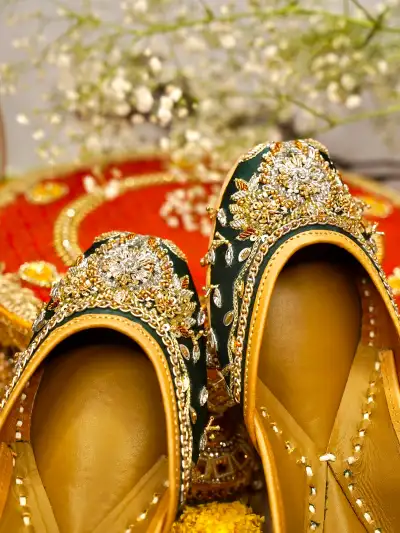
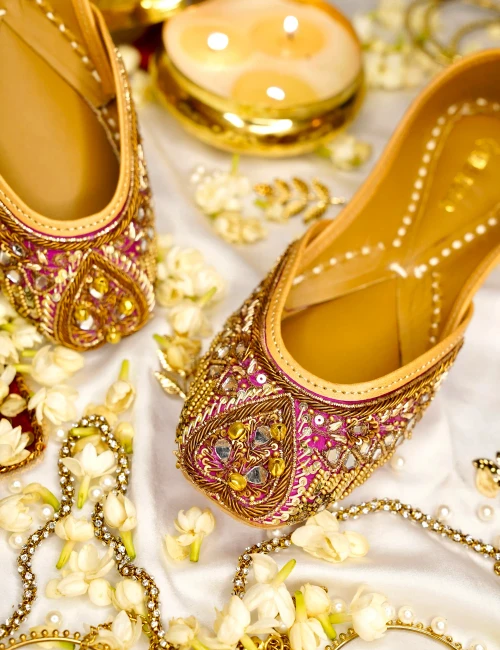
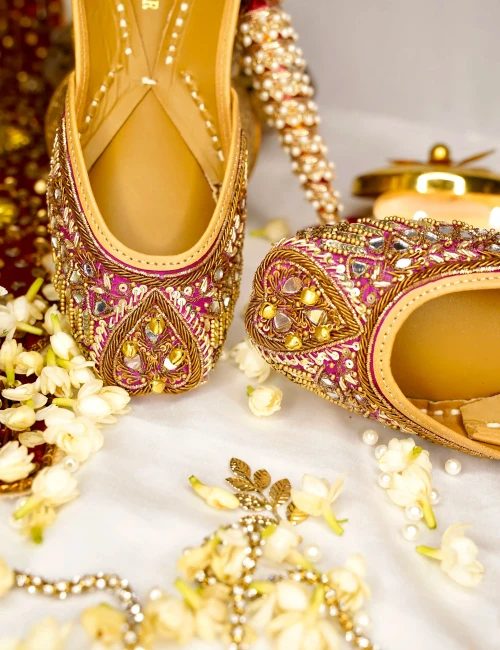
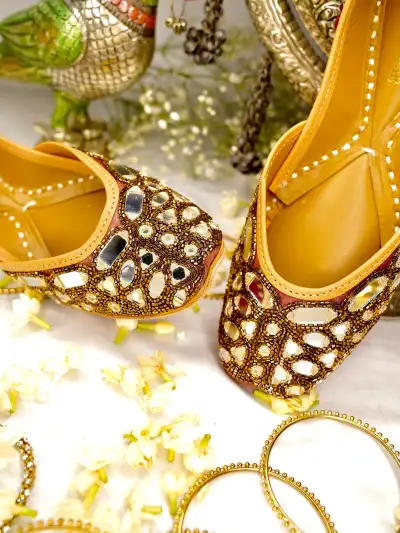
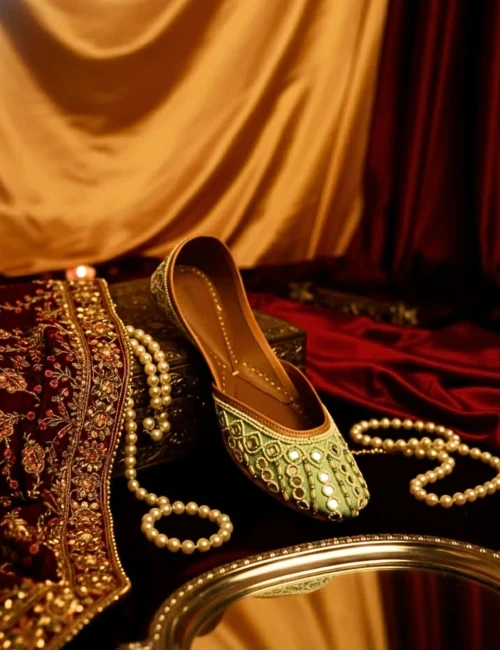
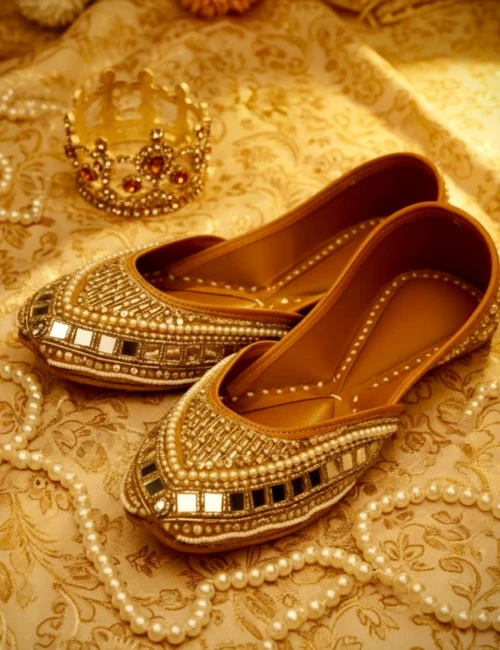
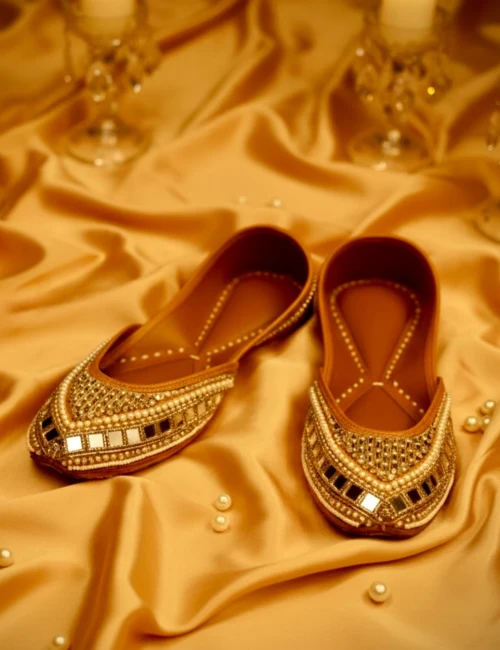
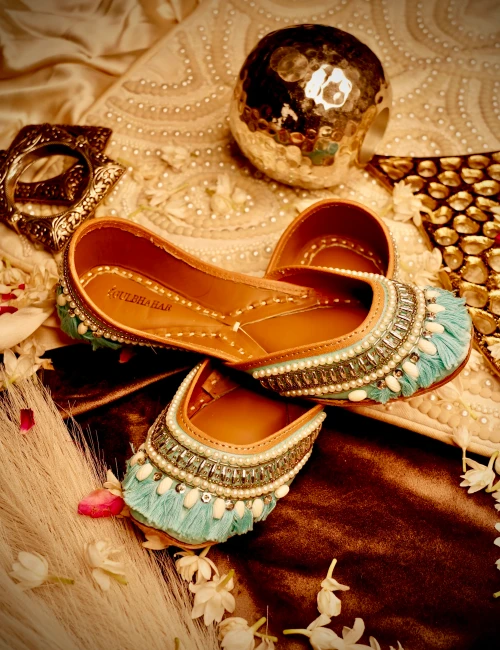
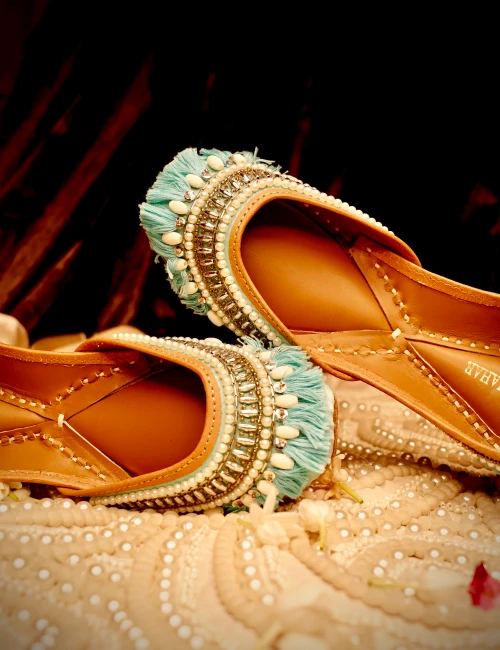
Heritage Collection
Explore Our Suit Range
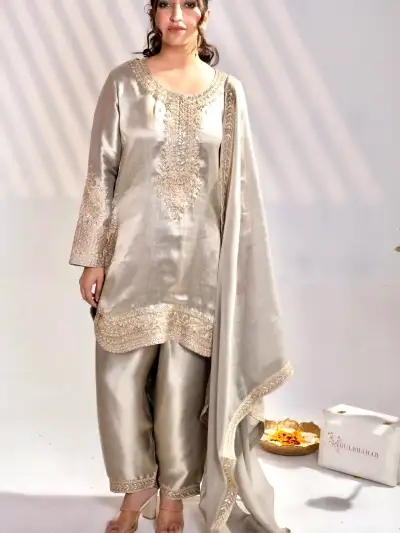
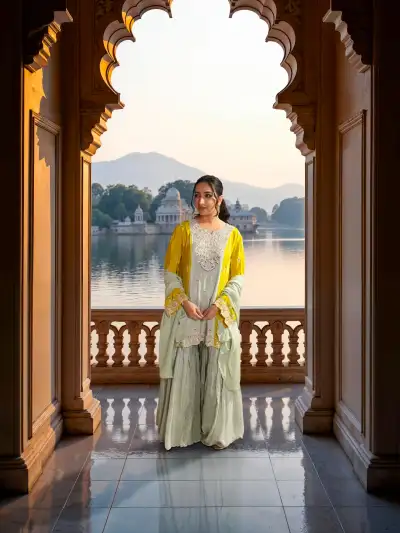
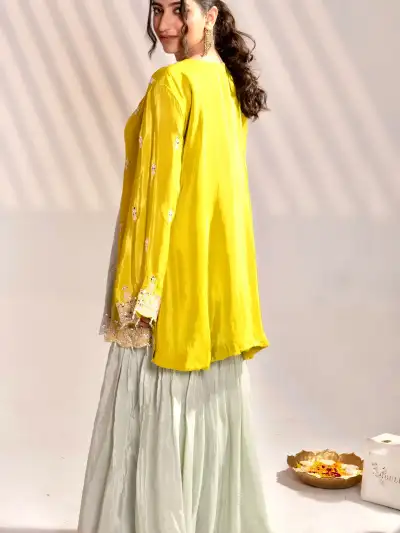
While this specific niche is being curated, you might find your perfect match in our broader suit collection.
While this specific niche is being curated, you might find your perfect match in our broader suit collection.
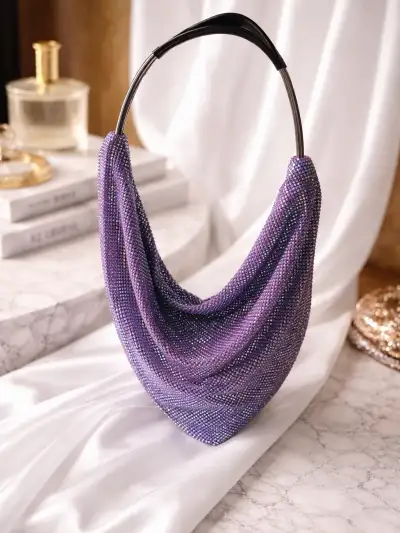
Perfect picks to pair with your dream outfit
Perfect picks to pair with your dream outfit
The maroon colour sharara from Gulbharee is not just an outfit; it's a statement of elegance and cultural pride. Crafted with meticulous care, this outfit combination features the rich traditions of Indian skill. The fabric itself is a showcase to our commitment to quality, featuring a soft yet strong material that drapes beautifully around the body.
Intricately hand-embroidered patterns adorn the maroon colour sharara, showcasing Gulbharee's dedication to detail and artistic perfection. Each stitch in these designs tells its own story of skillful makers who pour their hearts into every creation. The embroidery is especially rich on the wide-leg pants, adding a plush touch that complements the deep, rich hue of maroon.
Styling this piece is both an art and a joy. Perfect for weddings or other grand celebrations, the maroon colour sharara can be paired with fine gold jewelry to make better its regal feel. Its all-purpose design also makes it suitable for corporate events where you wish to stand out with a mix of tradition and modern appeal. The broad dupatta included in this outfit adds another layer of class, draped gracefully over one shoulder.
Every Gulbharee maroon colour sharara is tailored to perfection, ensuring a comfortable fit that feels as good as it looks. Whether you're stepping into an extravagant wedding or attending a sophisticated event, this sharara promises both comfort and confidence. Its deep color pairs well with fine jewelry allowing the beauty of its design to take center stage.
Experience the matchless charm of Gulbharee's maroon colour sharara — a garment that not only reflects your style but also carries forward the tradition of Indian creativity.
Dress up for a wedding or festive occasion with our maroon sharara, pairing it elegantly with a gold or silver zari kurta to complement the rich tones of maroon. For added glamour, consider wearing your hair in an intricate bun and adorning yourself with Gold Jewellery Necklace for a royal look that steals the spotlight.
Celebrate Diwali by pairing our maroon sharara with a traditional kurta pajama in maroon or red. To enhance the festive vibe, opt for a Maroon Kurta Pajama that matches beautifully and adds depth to your overall look. Complete the ensemble with bold jewelry and vibrant dupattas.
For an Eid celebration, our maroon sharara complements a simple yet elegant Maroon Kurta White Pajama that highlights the elegance of the outfit. Wear it with statement bangles and a delicate pair of earrings to add an extra touch of grace.
Transform your maroon sharara into a chic casual look by pairing it with a plain white kurta or a simple tunic top. Accessorize with a lightweight Maroon Suit Combination Dupatta to tie the whole outfit together and complete your look with strappy sandals for an effortless, chic appearance.
Step into any wedding as a stylish guest by pairing our maroon sharara with a sleek Maroon Suit. Keep the accessories minimal to let the vibrant tones of maroon take center stage. A pair of classic bangles and a simple gold ring will complete your look.
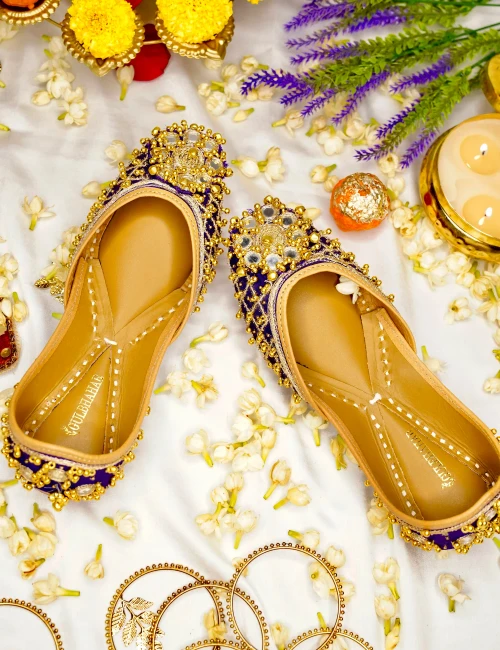
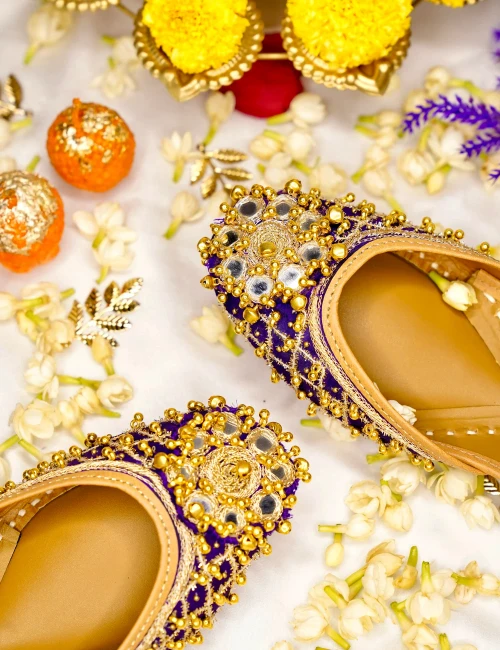
For an office setting, style our maroon sharara with a tailored Maroon Kurta White Pajama to create a professional yet elegant appearance. Add a pair of Red Punjabi Jutti for an ethnic touch and keep the jewelry simple with a few gold hoops or a delicate bracelet.
Experience the lovely maroon colour sharara, a proof to Gulbhahar's commitment to preserving India's rich textile roots. Each piece is thoroughly crafted by skilled makers who have honed their techniques through generations, ensuring that every stitch and fold whispers tales of our ancestors' prowess in handicrafts.
The maroon colour sharara is not just an outfit; it's a celebration of Indian culture and traditions. From Diwali to Eid, from weddings to Karva Chauth, this stylish sharara has been a staple at every cultural gathering and religious ceremony. Its rich hues embody the spirit of festivity, making it an apt choice for any auspicious occasion.
In the maroon colour sharara, femininity finds its perfect expression. The graceful fall of the fabric, the fragile embroidery, and the rich hue combine to create an aura of style and modesty that resonates with every woman who dares to wear it. It's no wonder that this culture set remains a favoured choice among women of all ages.
The maroon colour sharara is with detailed motifs that tell stories of our rich cultural past. The 'Buti' floral patterns represent fertility and abundance, while the 'Mango' motif symbolises life's sweetness. Each design part carries a tale of our ancestors' wisdom and their deep connection to nature.
The maroon colour sharara is more than just a garment; it's a bond that elevates generations. From grandmothers to mothers, and now to daughters, this classic look has been passed down through families, creating a chain of memories and love. It's not uncommon to find women wearing the same sharara at family weddings, feeling connected through time.
Gulbhahar's maroon colour sharara is a celebration of regional cultural authenticity. The fancy 'Kashida' embroidery from Lucknow, the rich 'Bandhani' tie-dye technique from Rajasthan, and the bright 'Phulkari' patchwork from Punjab - each piece pays admiration to India's mixed textile gift. By wearing this sharara, you're embracing your roots while honouring those of your ancestors.
Kashida Embroidery
Lucknow
Bandhani Dye
Rajasthan
Phulkari Patchwork
Punjab
The maroon colour sharara is not just a fashion statement; it's an investment in tradition. Its forever appeal ensures that it remains connected regardless of the season or trend. With proper care, this heirloom piece can be passed down through generations, serving as a reminder of our collective history and the enduring beauty of Indian traditions.
Wearing Gulbhahar's maroon colour sharara is an art in itself. The perfect drape, where the dupatta cascades gently from the shoulders and the sharara pants flow gracefully to the ankles, requires skill and confidence. Yet, once mastered, this customary draping technique imbues the wearer with a sense of poise and elegance that's uniquely Indian.
Enhance your coordinated set with Gulbharee's maroon colour sharara, a gorgeous blend of customary workmanship and current design. This sharara is finished with fine gold thread work that brings a regal touch to any celebration. The fluid fabric ensures comfort while the dramatic form makes it a standout choice for weddings and formal gatherings.
Wearing a maroon colour sharara at family functions is a beautiful way to honour our cultural heritage. The rich hue of maroon represents strength, courage, and fertility, making it an auspicious choice for blessings from elders. It also signifies unity and togetherness, perfect for bonding with loved ones during special occasions.
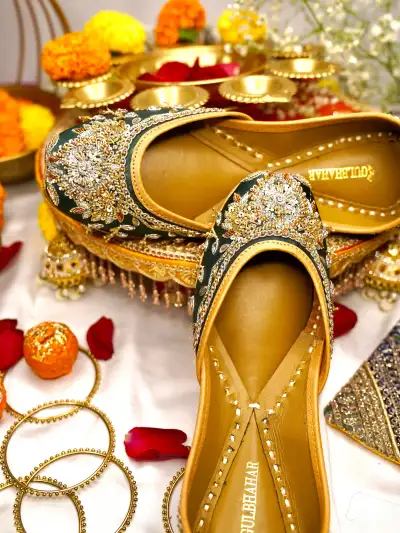
To style your maroon colour sharara for a puja, pair it with a matching dupatta adorned with intricate gold zari work. Complete the look with traditional gold jewellery like bangles, a necklace, and earrings to enhance the elegance of the outfit. For footwear, opt for elegant mojaris or flats that complement the rich maroon colour.
The handcrafted artistry in Gulbhahar’s maroon colour sharara is a testament to our rich cultural heritage. Each piece is meticulously crafted by skilled artisans using traditional techniques like zardozi, aari, and mirror work. These intricate details not only embody feminine grace but also preserve age-old traditions that have been passed down through generations.