Introduction
The fabric that one chooses for any attire defines its feel, drape, and durability, but somehow it is the colour and design that people generally pay attention to rather than the material of the clothing. Natural and synthetic fabrics have unique qualities that contribute to the ethnic wear, and by knowing the difference, one will be able to make an informed decision while purchasing clothes. Sarees, suits, coordinating dresses, and Indo-Western wear are available in both natural and synthetic versions depending on the requirements and personal choice. Accessories such as juttis and ethnic bags can also contain natural and synthetic materials. The Collection at Gulbhahar is a mix of fabrics crafted to offer comfort, durability, and style in equal measure. There are key differences between natural and synthetic fabrics; knowing them will help you shop with more confidence and clarity.
What Makes a Fabric Natural
Fabric that is derived from natural elements such as animals and plants, like cotton, wool, silk, and linen, is termed 'natural fabric'. This kind of fabric undergoes minimal processes with artificial elements, and hence, they maintain the breathability and texture that they were born with. For instance, the silk material is obtained from silkworms' cocoons, and it features a natural sheen that artificial material may not be able to produce. Natural fabrics are known to be more breathable than artificial fabrics because air can flow through them. Another quality of natural fabrics is that they have a tendency to become soft with age, unlike artificial materials that look old after some years of use. This is one reason natural fabrics remain popular for silk sarees and Silk Suits. Rani Pink Banarasi Saree is popular especially among those who value long-term wear and comfort over quick, low-cost options.
What Makes a Fabric Synthetic
The synthetic textiles are artificial in nature and are produced using chemical methods as opposed to extraction from natural sources. The synthetic textiles include polyester, nylon, and viscose blends, among others. The synthetic textiles are produced in a way that resembles the natural fabrics, but they have added advantages such as being wrinkle-free and easy to maintain. The synthetic textiles have good shape retention capacity and are less costly than the natural fabrics. Sky Blue Floral Vacation Co-ord Set gets its comfort from the fabric and its texture. Additionally, synthetic fabrics are available in various colours and shades due to the better colouring ability of synthetic fabrics compared to natural ones. Therefore, synthetic fabrics have gained popularity in coord and Indo-Western wear, as these fashions favour contemporary designs.
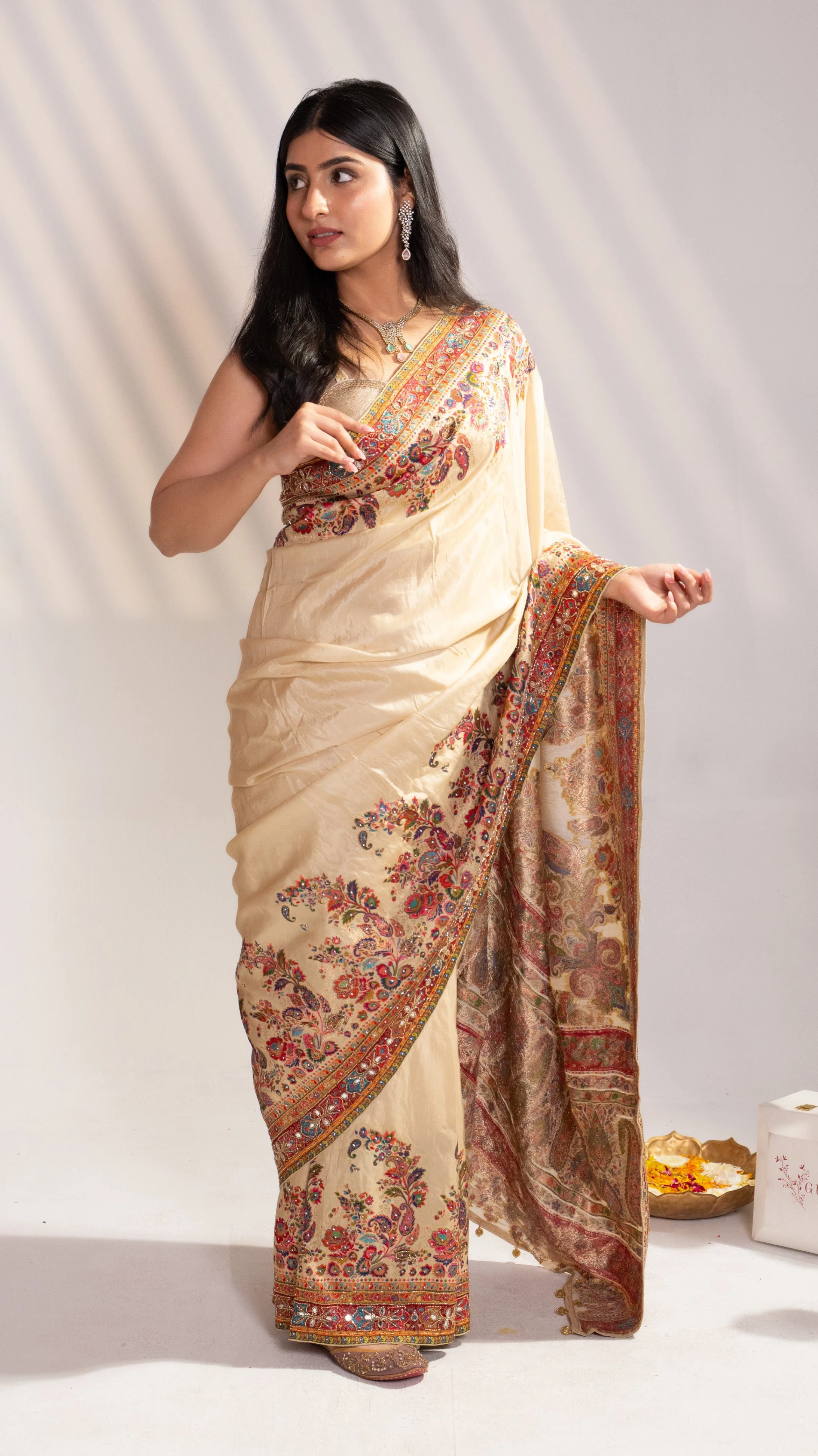
Silk Sarees, Natural Versus Synthetic
In terms of silk sarees, the distinction between the two types of silk, natural and synthetic, is apparent. Silk sarees made from natural silk such as Tussar or Banarasi silk drape softly and have a gentle sheen. Natural silk is breathable and comfortable no matter how long it is worn for. Silk sarees made from synthetic silk or art silk provide the same aesthetic charm at a fraction of the cost, but they do not drape well or breathe as effectively as natural silk. Designer Paisley Embroidered Saree is made of art silk yet carries the beauty of a silk saree. Choosing between the two generally depends on budget and how often the saree is going to be used. Natural silk is an investment for the optimal design, whereas synthetic silk offers a reasonable design at a lower price.
Suits, Coords, and Indo-Western Wear
Suits and co-ord sets can be made of natural or synthetic fibres, and each has merits of its own. Cotton and cotton silk, two examples of the natural type of suits, are breathable and comfortable, making them ideal for all-day wear. On the contrary, synthetic suits, including coords based on polyester blends, are easier to maintain and are less sensitive to colour and shape changes with repeated washing. Shop Elegant Peach Suits For Women from Gulbhahar that have options for every need. Indo-Western wear often mixes the two types of fabrics together, particularly when there are multiple layers of fabrics. A natural fabric combined with synthetic designs is a perfect example of a two-in-one composite, as it gives the benefits of comfort and durability at once. Weighing these factors helps you choose fabrics that match both your styling needs and your budget.
Natural fabrics like cotton in Floral Suit Set For Women offer better breathability for long wear
Synthetic fabrics tend to be more wrinkle resistant and easier to maintain
Blended fabrics combine the comfort of natural fibres with the durability of synthetic ones
Natural fabrics generally cost more due to the sourcing and processing involved
Synthetic fabrics offer more colour and print variety at accessible price points
Accessorising with Natural and Synthetic Materials
Juttis and ethnic bags also come in natural and synthetic material options. Leather and fabric juttis, both natural choices, tend to mould to the foot over time and offer a more traditional finish. Synthetic juttis, often made with faux leather or fabric blends, provide a similar look at a lower cost and are usually easier to maintain. Ivory Pearl Wedding Jutti made with genuine leather are an all-time favourite and comfortable to wear.
Ethnic bags follow a similar pattern, with natural fabric or leather options offering durability and synthetic versions offering affordability and variety. Choosing the right material for your Mocha Mirror Handbag depends on how often you plan to use them and the level of durability you expect.
Final Thoughts
Natural and synthetic fabrics each serve a purpose, and understanding their differences makes shopping for ethnic wear much easier. Silk sarees, suits, coord sets, and Indo-Western wear all offer natural and synthetic options suited to different needs and budgets. Pairing your outfit with the right juttis and ethnic bags completes the look, regardless of the fabric choice. Only at Gulbhahar, you will find fabrics and accessories crafted to offer comfort, durability, and style in equal measure.
Tags
Frequently Asked Questions
What is the main difference between natural and synthetic fabrics?
Natural fabrics come from plant or animal sources, while synthetic fabrics are man made and often designed to mimic natural textures.
Is natural silk always better than synthetic silk?
Natural silk offers better drape and breathability, but synthetic silk provides a similar look at a lower cost for occasional wear.
Why do natural fabrics often cost more than synthetic ones?
Natural fabrics cost more due to the sourcing, processing, and craftsmanship involved in creating them compared to man made alternatives.
