
Introduction
The entire history of Indian textiles has been reflected in these types of textiles since they date back to centuries ago. It is this history, which has created unique characteristics of these textiles, that enabled the creation of modern ethnic wear like sarees, suits, co-ord sets, Indo-Western clothing, juttis, bags, and others. Understanding the origin of this textile helps to realise the value of the ethnic outfit chosen from this fabric. Among the popular fabrics used to make traditional clothes in India are Banarasi, Chanderi, and Bandhani. Gulbhahar's sarees and suits celebrate the rich textile heritage of India through every weave and stitch. Each of these fabrics carries a story of its place of origin, which can be better understood by learning the interesting facts about these textiles.
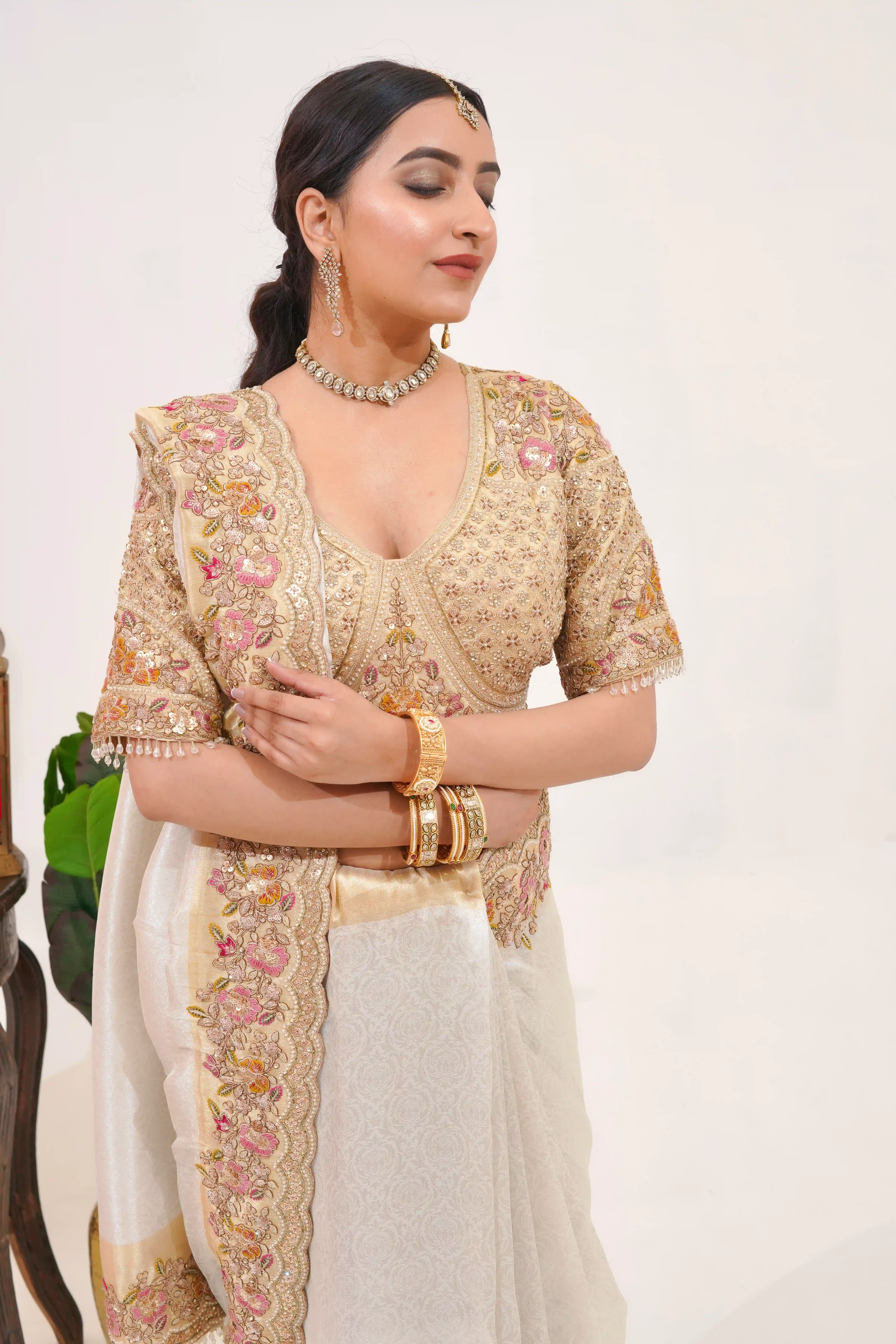
The Origins of Banarasi Silk
Banarasi silk is a type of fabric produced from the city of Varanasi, thus named after this city. Banarasi silk became prominent due to its richness and the presence of zari, gold, and silver threads in the textile. Historically, Banarasi silk has always been associated with traditions of royal courts and significant cultural events. The process of making one saree out of Banarasi silk usually takes weeks of hard work from the weavers. Despite its age and traditions, Banarasi silk is still widely used for making sarees and suits The fabric allows one to create beautiful and elegant Ivory Banarasi Silk Saree.
Chanderi Cotton and Its Charm
Chanderi cotton originates from the city of Chanderi, located in Madhya Pradesh, India, where people produce a light and sheer fabric. The Rose Gold Kaftan set is made of such material. The material combines cotton with silk, giving it an extremely fine feel, while the textile is known for its comfort, making it appropriate for wearing suits and sarees in hot weather. The motifs typically embroidered into the fabric consist of different elements such as coins, flowers, and peacocks. The fabric continues to be significant for its combination of elegance and practicality. This textile reflects a balance between elegance and practicality that has kept it relevant for generations.
Bandhani and the Art of Tie Dye
Bandhani comes from Gujarat and Rajasthan, where local artisans have been able to master this tie-dye technique over the years. The process of creating bandhani fabric involves tying different sections of the cloth before dyeing it, which helps create different dotted patterns on the fabric. Bandhani fabric’s colours are mostly vivid, which proves its popularity for use in sarees and suits. The process requires great patience since the designs are made by hand. The fabric carries a distinct, festive quality that suits both traditional and Indo-Western silhouettes.
Ikat and Its Regional Roots
Ikat weaving has roots across several Indian states, including Odisha, Telangana and Gujarat. This technique involves dyeing yarns before weaving, resulting in patterns with soft, blurred edges. The process demands precise planning, since the dyeing must align perfectly with the eventual weave. Ikat fabric often appears in co-ord sets and Indo-Western wear, offering a modern take on a traditional technique. The Blush Corset Palazzo Set distinct visual style continues to attract those who appreciate handcrafted textile artistry.
Notable Regional Textiles Worth Knowing
India's textile heritage spans far beyond the well-known fabrics, with many regional weaves carrying their own unique stories. These regional textiles highlight the diversity and craftsmanship found across Indian handloom traditions. These regional textiles highlight the diversity and craftsmanship found across Indian handloom traditions.
Kanjeevaram silk from Tamil Nadu is known for its durability and rich, temple-inspired borders.
Phulkari embroidery from Punjab uses vibrant thread work often seen on suits and dupattas.
Kalamkari fabric from Andhra Pradesh features hand-painted or block-printed mythological motifs.
Patola from Gujarat involves a complex double ikat technique requiring exceptional skill and precision.
Jamdani from West Bengal is celebrated for its intricate hand-woven motifs on fine cotton.
Textiles in Modern Ethnic Wear
Modern ethnic wear, in fact, continues to be influenced by these traditional textiles in unique ways. Sarees and suits use traditional weaving methods but adjust them to fit modern styles. The combination of traditional textiles and modern cuts is also found in Indo-Western wear. Gulbhahar honours generations of artisanal craftsmanship through its handwoven and hand-printed textiles. Even ethnic Ivory Pearl Potli Bag at times are made using handwoven traditional fabrics. This is how the blend of heritage and innovation has kept traditional textiles relevant in today's world of fashion.
Conclusion
The history of popular Indian textiles includes centuries of craftsmanship and patience. Banarasi silk, Chanderi cotton, Bandhani and Ikat all have unique backgrounds, stemming from their native region. Gulbhahar's pieces bring India's textile traditions and heritage culture into modern ethnic wear. Traditional textiles are still celebrated in sarees, suits, co-ord sets and Indo-Western clothes. Learning about their heritage helps to appreciate ethnic fashion more deeply. These origins add meaning to the ethnic pieces worn every day, connecting modern fashion to generations of artisanal tradition.
Tags
Frequently Asked Questions
What makes Chanderi cotton unique?
Chanderi cotton comes from Chanderi in Madhya Pradesh and blends cotton with silk for a lightweight, sheer texture. It is especially popular for suits and sarees worn in warmer weather.
How is Ikat fabric different from other weaves?
Ikat involves dyeing yarns before weaving, resulting in patterns with soft, blurred edges. This technique has roots across states like Odisha, Telangana and Gujarat.
Are traditional Indian textiles still used in modern ethnic wear?
Traditional textiles like Banarasi silk and Ikat continue to appear in sarees, suits and Indo-Western wear, often adapted into contemporary silhouettes and styling.
