%20(6).webp%3Fv%3D1785240147457&w=1920&q=75)
Introduction
Monsoon brings its own problems in terms of taking care of ethnic wear. Humidity, rainy weather, and muddy roads can affect delicate clothes. It is important to be careful while handling silk sarees, suits, and co-ords during monsoons. Selecting the appropriate fabric and adopting some preventative measures can help you keep your favourite outfits safe. Juttis and bags are also an important part of your closet that needs special care because moisture can easily affect them. Gulbhahar helps you keep your ethnic wardrobe monsoon ready. Just a little planning is all it takes to keep your closet monsoon ready. Your outfits stay fresh and undamaged by caring for ethnic wear during the monsoon season.
Choosing Monsoon-Friendly Fabrics
Selection of fabrics is particularly significant during the monsoon period. Silk sarees should be worn on dry days, as water may affect the fragile silk fibres. Clothes such as a Floral Suit and co-ords, which have been designed using synthetic fabric, withstand humid conditions better than clothes made of natural materials. Fabric that dries up easily ensures that there is no moisture left on the attire. Black Indo Western Set designed with easy-care fabrics are particularly useful in such weather conditions. Selecting the right fabric reduces the risk of damage significantly during this season.
Protecting Outfits From Sudden Rain
During the rainy months, unexpected rains are not unheard of, so it is imperative that you prepare well in advance. An affordable folding umbrella will help you protect your outfit when a sudden downpour occurs. Choosing a shorter hemline during heavy rainfall can reduce the chances of fabric getting wet. Black Printed Coordset For Women made from quick-dry fabric are easier to clean after being exposed to light rains. Also, avoiding outfits with lots of embellishments during rainy days is a good practice to save your garments. These small precautions reduce the impact of sudden weather changes on your outfit.
Caring for Juttis During Monsoon
Juttis need special care during monsoon because they get affected by moisture instantly. Following some simple precautions can help in maintaining footwear during the entire season. Such little things assist in keeping juttis in good shape irrespective of the erratic climate conditions. This way, one can avoid any repair work after the season ends.
Avoid wearing delicate, embellished Navy Blue Bridal Punjabi Jutti during heavy rain or muddy conditions.
Dry wet juttis immediately using a soft cloth to prevent water damage.
Store juttis in breathable pouches to avoid trapped moisture and odour.
Apply a water-resistant spray to help protect fabric-based juttis from rain.
Rotate juttis regularly to prevent prolonged dampness from affecting one pair.
Building a Monsoon-Ready Wardrobe
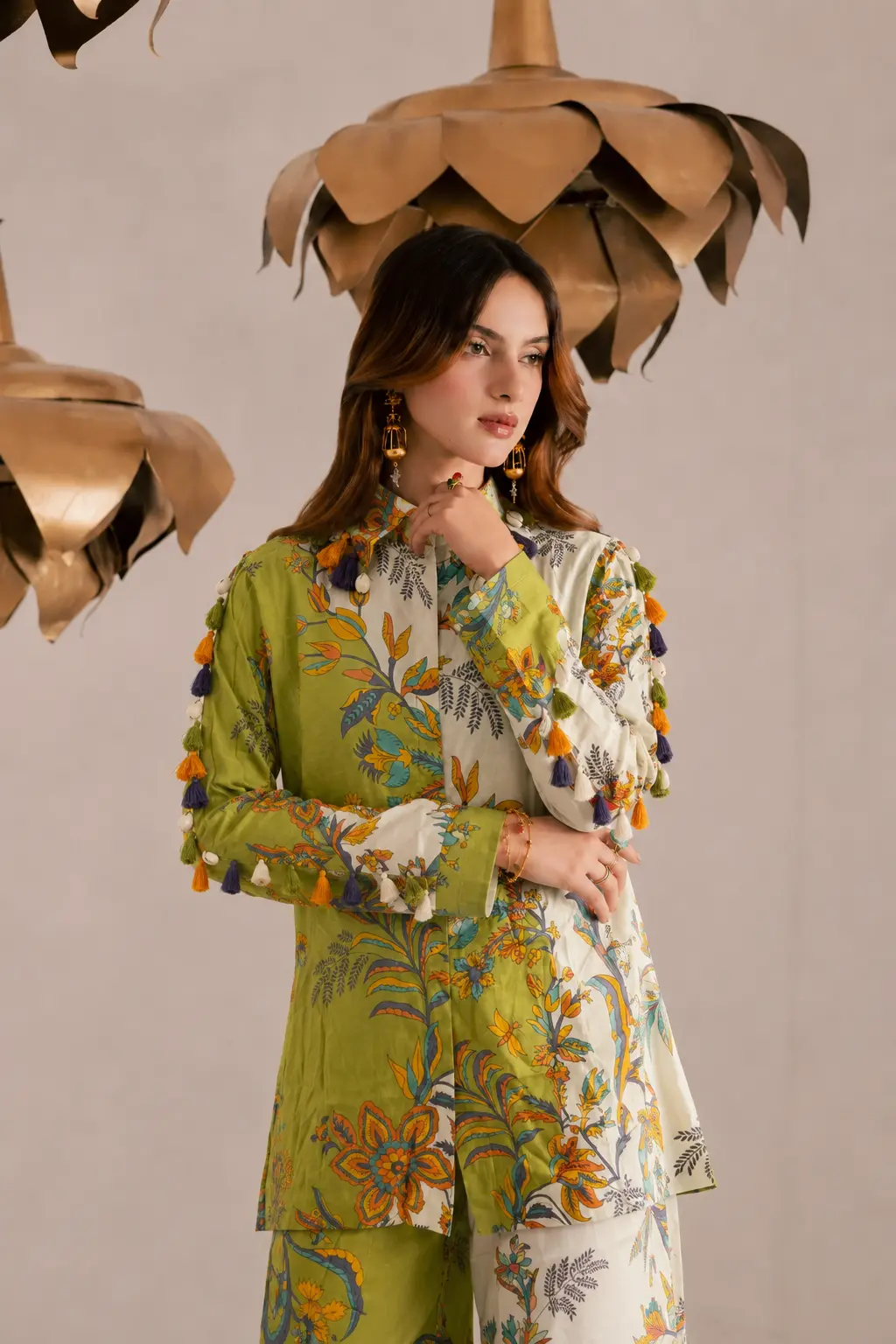
Monsoon preparation of your wardrobe is about selecting the right fabrics as well as proper maintenance routines. Using fast-drying Plain Suit and co-ord sets becomes practical when preparing for the rainy season. Keeping silk saris away for those dry days protects the fabric from unwanted wear and tear. Proper maintenance of your juttis and ethnic handbags ensures that your accessories do not get damaged. This way, you can make sure that your ethnic clothes will survive the season without having to endure much wear and tear.
Managing Humidity and Fabric Care
Humid weather in a monsoon may have an impact on the texture and performance of fabric throughout the day. For example, Blue Banarasi Silk Saree may tend to be a bit heavy due to high humidity levels. It is necessary to wear breathable suits and co-ords to minimise the discomfort associated with excessive humidity in the atmosphere. Keeping the clothes in a well-ventilated area ensures that they do not get musty or deteriorate due to exposure to high humidity levels. Using silica gel packets in storage areas also helps control humidity effectively. These small adjustments keep fabrics feeling fresh despite the season's dampness.Choosing lightweight inner layers can also improve comfort during humid weather. Allowing garments to air out after each wear helps maintain their freshness and extends their lifespan. Proper fabric care during the monsoon ensures your favourite outfits remain comfortable, elegant, and ready to wear throughout the season.
Protecting Ethnic Bags From Moisture
Ethnic bags are particularly vulnerable to damage during monsoon months. It is very difficult to protect ethnic bags from getting damaged during monsoon season. Selecting sturdy bags that have water-resistant coatings will make them more secure in rainy seasons. Wiping the bags right away after getting wet ensures that no moisture gets accumulated within the bags. Keeping them with silica gel will also be helpful in absorbing extra moisture. The use of very delicate or embellished and intricate bags should be avoided on rainy days. It reduces potential damage. These precautions help maintain the appearance and longevity of ethnic bags throughout monsoon.
Conclusion
Taking care of the ethnic clothing during the monsoon is a process that needs some thought and careful planning. Careful fabric choices and protection of clothes against any form of rain can help avoid any harm. Gulbhahar believes great style should survive every season, rain included. Special care must be taken for juttis and ethnic bags because they are prone to humidity. Humidity control by proper storage can save the fabrics, especially Silk Suits. Your ethnic wardrobe can stay fresh and well-maintained all monsoon long with these simple habits.
Tags
Frequently Asked Questions
Which fabrics are best suited for monsoon ethnic wear?
Synthetic blends and quick-drying fabrics work best during monsoon. Silk sarees are better reserved for drier days to avoid damage.
How can I protect juttis during monsoon season?
Avoid wearing delicate juttis in heavy rain, dry them immediately if wet, and store them in breathable pouches to prevent moisture damage.
How does humidity affect ethnic wear during monsoon?
Humidity can make fabrics feel heavier or sticky. Storing outfits in dry, ventilated spaces with silica gel packets helps manage this.
