Introduction
Monsoon is a wonderful time of the year. However, if you own custom-made juttis, then it is the most worrisome three months for your juttis. Rain, puddles, high humidity levels - nothing out there is kind to embroidery, mirrors, beads or leather. In case you own a fine pair of handmade juttis with each mirror and each bead put on by hand, then you should understand that taking care of your juttis will take some effort. Also, if you are still building your collection, you might want to check out our collection of Juttis.
How Monsoon Destroys Your Juttis
Handmade juttis are meant to keep your juttis looking fine through monsoon times; however, they are not designed to fight the rain. Leather becomes softer and misshaped because of it. Embroidery threads may bleed or get slack. Mirror settings may loosen due to the leather being moistened. Beads and sequins will be dulled or detached from the material. All of this happens even faster with humidity, even if the juttis are in your wardrobe.
Keep Off the Rain-But This Is Obvious
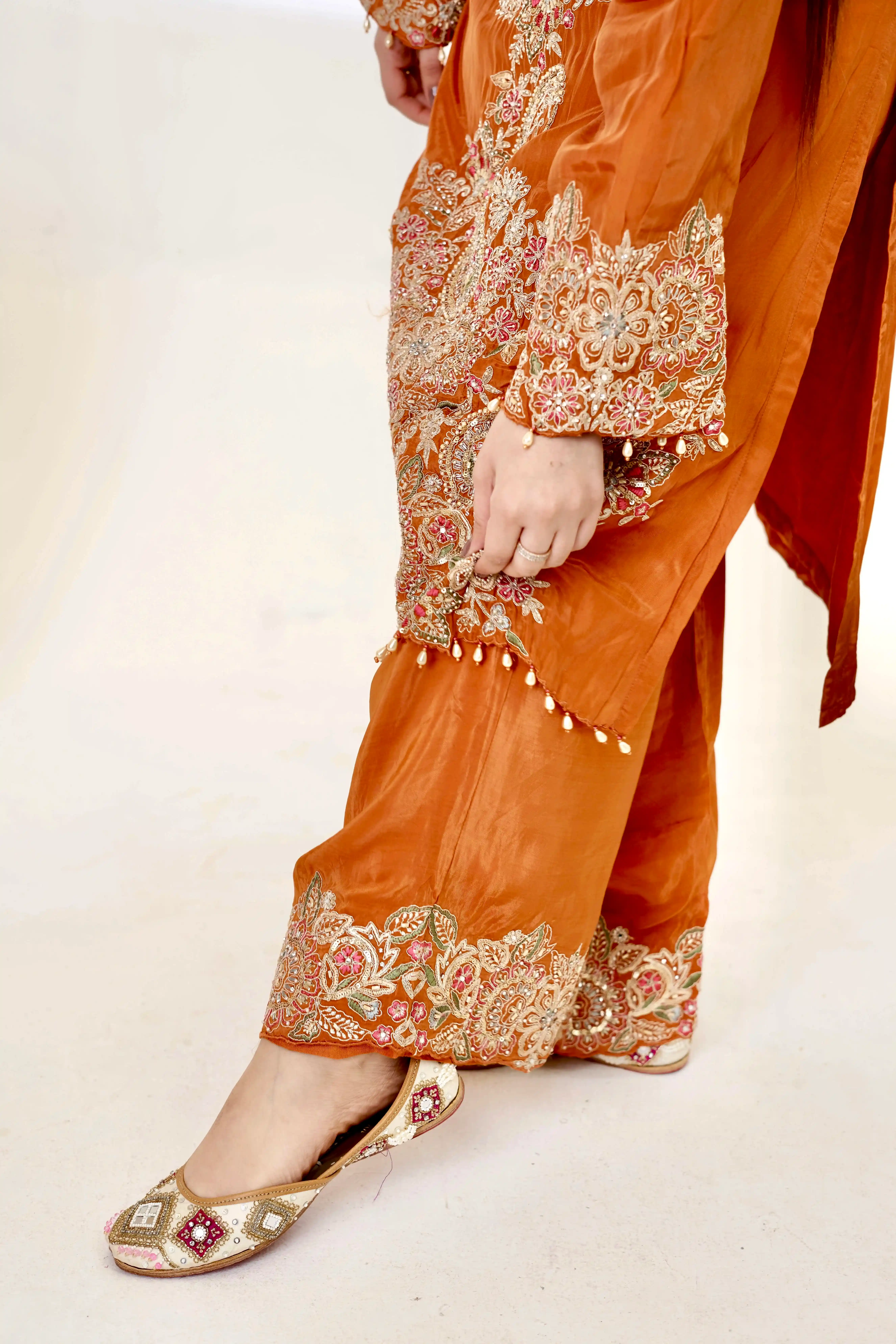
It is quite clear but needs to be said. Do not wear your embroidered juttis on those days when you anticipate getting wet in the rain. Before heading out, look at the weather forecast. Carry a simple pair of flats in your purse in case you have to venture out and change back into your juttis once you are indoors. A little exposure to heavy rain can lead to lasting damage in the form of warped leather, dulled embroidery work, and shifted mirrors. If you have no choice but to walk in drizzle, make sure you clean the juttis immediately after coming home using a soft dry cloth without rubbing them at all.
Never Use Heat For Drying-Just Leave Them To Dry Naturally
If by any chance you end up getting your juttis wet, then the last thing you should do is dry them next to a heater, fan, or direct sunlight. The heat will dry out the leather and can even melt the glue that binds together all the decorative materials. Let them dry naturally at room temperature. Stuff them inside with newspapers or soft cloth.
Keep Them Properly
It is more likely that most problems associated with juttis occur while storing them rather than wearing them. During the monsoon season, humidity collects within the cabinets in which you keep your juttis in an Indian house. Store your juttis in cloth bags, which breathe, but not plastic bags, as the former will prevent moisture from being collected in them. Place silica gel packs in your closet shelf or the cloth bag to absorb the moisture from the air. Avoid keeping them at the floor level of your cabinet as they tend to accumulate moisture. And never pile them as they may damage each other through the embellishments. For your statement pieces like the Gold Bridal Designer Jutti, handcrafted in six days in gold nylon silk with mirror work, nakshi and kashti embroidery, cloth bags with silica gel are compulsory.
Rotate Your Footwear
Don’t wear the same pair of juttis for two consecutive days in monsoon. Even if they seem dry, there will still be moisture collected inside due to your feet. By switching to another pair, they get an opportunity to air dry fully. In case you only have one or two pairs of juttis, it’s a good idea to buy another pair, since wearing them regularly means that at least once a day they will need an opportunity to air properly. For example, a versatile Mustard Yellow Designer Jutti, decorated with golden sequins, brown threadwork and metallic beads, goes well with different types of clothing.
Gentle Cleaning Tips
Do not wash your juttis with water under any circumstances. To remove surface dust, use a very soft and dry brush, which can be a clean make-up brush. If you see some dirt or stain on your juttis, you can use a very slightly wet cloth with a little amount of very mild soap. Never apply liquid directly on your embroidery. For deep cleaning, go to the dry cleaners who specialise in handmade footwear. The majority of Gulbhahar juttis are only dry cleanable because of this.
Choose the Appropriate Juttis According to the Season
Monsoon season demands you wear something a bit heavier and less fragile. It means opting for designs which look nice but are a bit sturdy. These should include lighter embroidery work, hard material and colours which can hide minor damage caused by humidity. Ivory Pink Punjabi Jutti is an excellent monsoon season choice for festivals. It comes in ivory and rani pink colour combinations, looks elegant without being excessively decorated, and goes well with ethnic outfits. The design features well-attached mirror work and pearls, and it can be worn comfortably for longer periods of time without showing too much damage caused by humidity.
To make a statement about you in daily wear, opt for the Ivory Bridal Jutti featuring pearl details, dabka and sugar beads. It is elegant enough to be worn casually and handmade with great precision, and its plain colour will help it avoid becoming dirty very fast.
If you like something festive, then Rust Punjabi Jutti with handmade mirrors, antique zari, dabka embroidery and cushioned lining is made specifically for dancing without wearing out.
Conclusion
Caring for your juttis during the monsoon season requires some effort, which includes proper storage, drying, rotating, as well as selecting the correct type of jutti for each event. Handmade Punjabi Jutti require a lot of care because these are made by hand. Just like how much thought and deliberation you put into selecting the right Punjabi outfit for attending any monsoon season function, similar effort and thoughtfulness should be taken when selecting and maintaining your juttis.
Tags
Frequently Asked Questions
How to clean embroidered juttis at home?
Use a dry brush on the surface for dusting and a slightly damp cloth on the leather bottom area. Do not use water on embroidery and beaded areas. In case of more cleaning, get them cleaned by a dry cleaner who specialises in shoes.
How to store juttis during monsoon?
In cloth bags containing silica gel packets. Never store in plastic bags and avoid placing on the floor. Storing juttis one pair over another should be avoided. Closed cupboards may retain moisture; hence, they need to be aired sometimes.
How often should I change my juttis in monsoon?
You should not wear your juttis twice in a day. The insides will get wet, and they require some time to dry.
%20(6).webp%3Fv%3D1785240147457&w=1920&q=75)
